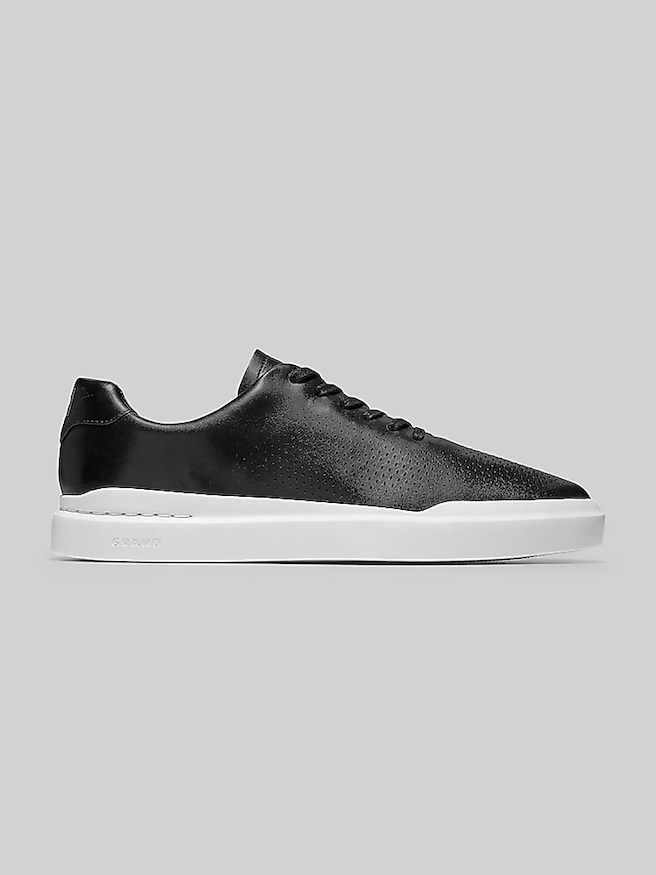
Men’s boots combine the structure of dress footwear with an ankle-height silhouette that works across business-casual outfits, relaxed tailoring, and everyday denim. Dress boots, chukkas, and Chelsea boots each bring a distinct character to that balance. A Chelsea boot keeps the profile clean with elastic side panels and a pull-on design, making it a natural companion for slim chinos or trousers with a gentle taper. Chukkas typically have an open lacing arrangement and a lower ankle profile, giving them an easygoing appearance that sits comfortably between a dress shoe and a casual boot. Lace-up dress boots offer more adjustment across the instep, while understated stitching and a refined toe shape help them complement an unstructured jacket or a knit polo. The shape matters as much as the color: an elongated toe generally looks dressier, while a rounded toe and substantial sole create a more relaxed impression. Smooth black leather pairs naturally with charcoal trousers and dark denim; brown leather adds depth beside navy, olive, and gray. Suede introduces a softer texture that works especially well with brushed cotton, corduroy, and textured knitwear. For someone moving from a desk to a dinner reservation, the most useful balance is often a streamlined upper with cushioning that remains comfortable through several hours of wear. Depending on the construction, flexible soles, padded footbeds, and lightweight midsoles can soften the feel underfoot without making the boot look like athletic footwear. Those features serve distinct purposes: cushioning compresses beneath the foot, flexibility helps the sole bend through a step, and the upper provides structure around the foot. A boot that brings those elements together can feel appropriate at a client lunch, an informal celebration, or an evening out, without requiring an entirely separate approach to getting dressed. A trouser hem that rests lightly near the top of the boot helps preserve that clean line rather than bunching around the ankle.
Materials and construction shape how men’s boots feel on the first wear and how they develop with use. Smooth leather has a relatively uniform surface that can be cleaned, conditioned, and polished according to its finish, while suede has a raised nap that calls for a brush and care products made specifically for that texture. Nubuck also has a velvety surface, though it is made by buffing the outer side of the hide rather than using the underside associated with traditional suede. These differences affect maintenance as well as appearance, so a care routine should match the actual upper material rather than its color alone. Inside the boot, lining, seams, and footbed contours influence comfort, particularly across the instep and around the heel. A secure fit should hold the foot without squeezing the toes or creating concentrated pressure over the top. There should be enough space for the toes to move naturally, with the widest part of the foot sitting comfortably within the widest part of the boot. Trying boots with the socks intended for regular wear gives a more useful sense of fit than relying on size alone. Someone who wears an orthotic also needs sufficient interior depth; a removable footbed can be helpful when the design accommodates one. Leather may soften with use, but that does not make a cramped toe box or persistent rubbing a good starting point. Underfoot, outsole material and thickness affect weight, flexibility, and the feel of each step. Rubber can offer a forgiving walking surface, while a slimmer sole may create a more tailored profile. Tread design also matters, though a substantial-looking sole is not a substitute for footwear made for specialized job-site requirements. For a commute with several blocks of walking or a day that includes time on the feet, moderate weight, a stable heel, and a comfortable flex point deserve as much attention as the shape seen in the mirror. Durability comes from the whole construction, not simply a thick upper or a heavy sole.
Keeping boots looking polished usually depends more on consistent, restrained care than on an elaborate routine. After wear, removing surface dust with a soft brush or cloth keeps debris from collecting along seams, around eyelets, and where the upper meets the sole. Smooth leather can benefit from an appropriate conditioner used sparingly, followed by polish when the finish calls for it; suede and nubuck need their own brushes and compatible treatments instead. Testing a care product on an inconspicuous area helps protect the original color and texture. Boots should dry naturally away from direct heat after cleaning, and cedar shoe trees can help absorb residual moisture from wear while supporting the shape. Allowing time between wears also gives the lining and footbed a chance to air out. Pull tabs and a shoehorn make entry easier without repeatedly crushing the heel counter, the supportive structure at the back of the boot. With lace-up designs, loosening the laces before removing the boots reduces unnecessary strain on the opening. These small habits help preserve both appearance and fit, especially for footwear worn frequently. Styling can be just as straightforward: let the boot’s proportions set the tone. A sleek pair works well beneath tailored trousers with minimal pooling at the hem, while a more substantial shape has enough visual weight for straight-leg jeans and an overshirt. A belt in a similar color family creates cohesion without requiring an exact match, and socks with sufficient height help avoid rubbing at the collar. As a gift, boots make the most sense when the recipient’s size, preferred shape, and everyday wardrobe are already familiar. Someone who favors simple dressing may appreciate an understated pull-on silhouette, while someone who likes an adjustable fit may prefer laces. Familiar colors and manageable care requirements can make the choice easier to incorporate into an established wardrobe. For a broader look at the label’s approach to polished everyday style, explore Cole Haan Men.