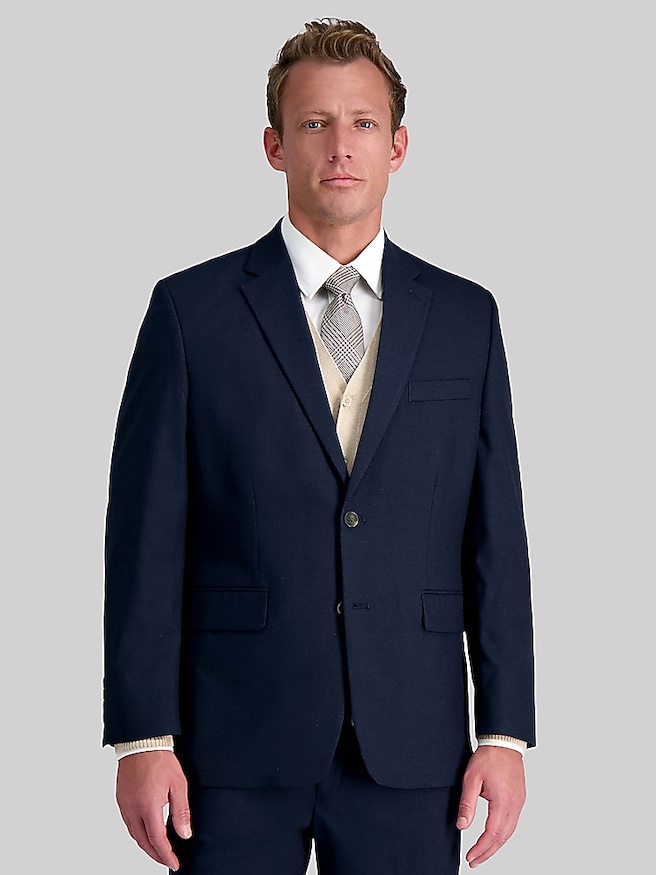
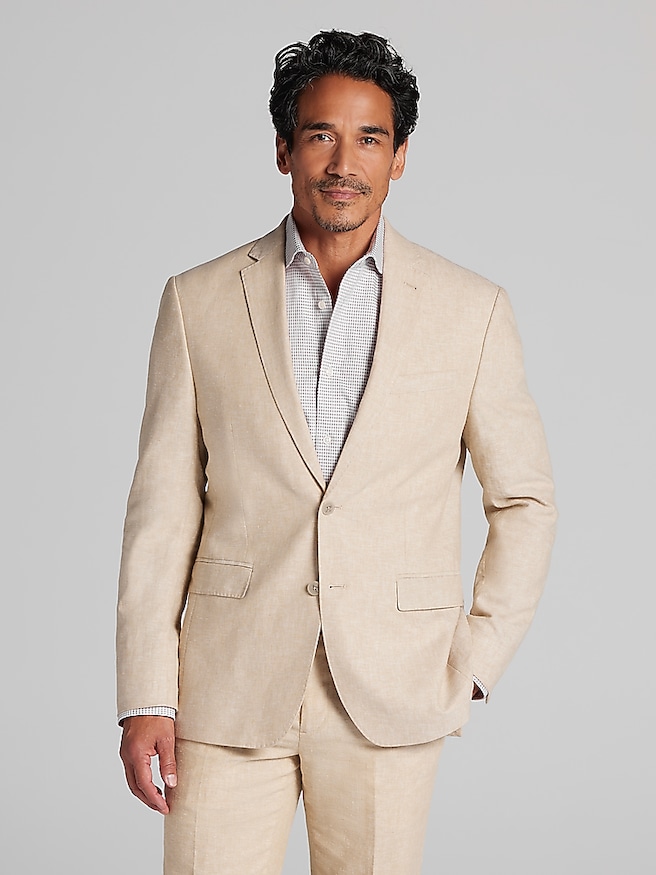
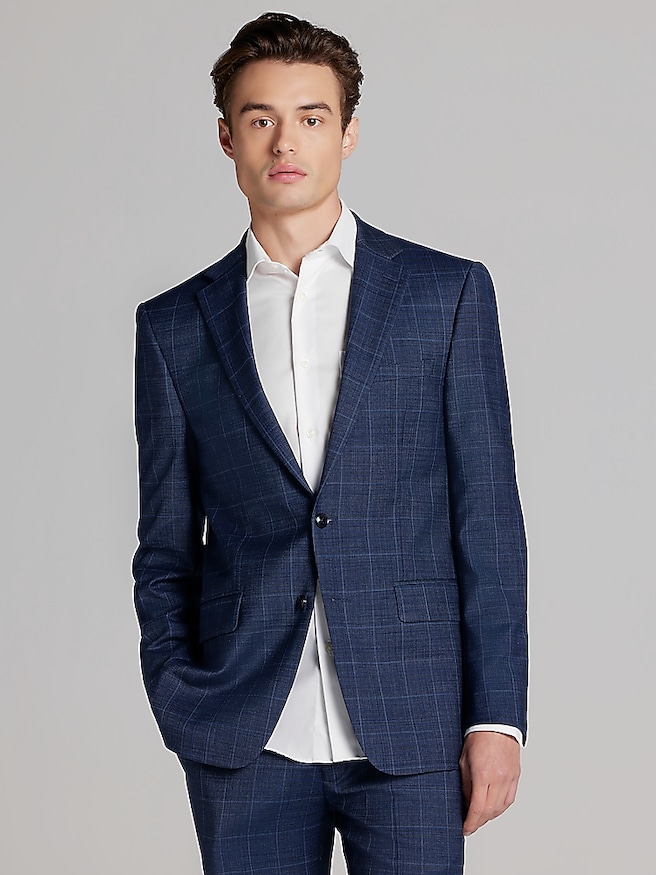
Winter wedding guest outfits bring together occasion-ready tailoring, cold-weather fabrics, and layers that look polished from an outdoor arrival to the last dance. For men, a well-balanced outfit often starts with a suit in navy, charcoal, or deep gray, complemented by a dress shirt, leather dress shoes, and accessories suited to the invitation’s dress code. Wool and wool-blend fabrics are especially useful during the cooler months because they provide insulation while allowing moisture to escape, making them comfortable across a range of indoor and outdoor settings. Fabric weight matters as much as fiber content: a substantial wool cloth offers more warmth for a ceremony in a drafty historic building, while a lighter weave may feel better in a crowded, heated ballroom. Flannel has a softly brushed surface that gives tailoring a distinctly seasonal character, and textured weaves add depth without needing a bold pattern. Velvet brings a richer finish to evening attire, particularly when used as a restrained accent rather than throughout an entire outfit. Deep burgundy, forest green, and midnight blue work naturally alongside classic neutrals, with their color becoming more noticeable under warm reception lighting. The level of formality still takes priority over seasonal styling. Black-tie invitations generally call for a tuxedo with a formal shirt, a black bow tie, and appropriate formal footwear; a dark business suit is not an equivalent substitute. Black-tie optional gives guests room for either a tuxedo or a dark suit with a dress shirt and tie. Cocktail and semi-formal celebrations typically suit tailored clothing with more flexibility in color and texture, while a relaxed venue may welcome coordinated separates when the invitation allows them. These distinctions give winter wedding attire its range: crisp and traditional for a formal evening, softly textured for an intimate gathering, or understated for a daytime ceremony. The strongest combinations acknowledge the setting without competing with the wedding party or relying on novelty details to feel festive.
Fit makes those fabrics and layers work together. A suit jacket should sit cleanly across the shoulders, close without pulling into an X shape, and allow enough movement for a seated dinner, a handshake, or a turn on the dance floor. Sleeves that reveal a narrow edge of shirt cuff create a neat transition at the wrist, while trousers should drape smoothly rather than bunch heavily over the shoes. Slim, tailored, and classic silhouettes can all look appropriate; the useful distinction is how comfortably each follows the wearer’s proportions. Extra fabric does not automatically provide useful warmth, and an overly close fit can leave little room for a shirt or discreet base layer. A breathable undershirt can help during a chilly arrival, provided its neckline and sleeves remain invisible beneath the dress shirt. For less formal celebrations, fine-gauge knitwear can add warmth without the bulk of a heavy sweater, though a shirt and tie remain the safer choice when the dress code calls for traditional occasionwear. An overcoat deserves the same attention as the clothing beneath it. Enough room through the chest and upper arms keeps a tailored jacket from feeling compressed, and a hem that covers the jacket creates a cleaner silhouette. Wool outerwear offers warmth and structure, but it is not inherently waterproof, so the forecast and the walk between buildings still matter. A smooth scarf and leather gloves can make a windy entrance more comfortable without introducing a sporty note. Inside, accessories carry more of the visual interest. A silk tie adds contrast against matte wool, a subtly textured pocket square softens a crisp jacket, and a simple belt works best when its color relates to the shoes. A pocket square need not duplicate the tie; a shared color or complementary tone usually looks more considered. For guests moving between a ceremony, photographs, and a reception, removable layers offer practical flexibility without sacrificing the outfit’s shape.
Footwear and finishing details often determine how comfortable winter wedding outfits feel over several hours. Closed-toe leather dress shoes suit most tailored guest attire, with sleek lace-up styles offering a particularly polished foundation. Sole construction deserves attention when the route includes wet sidewalks, stone steps, or a gravel path: a discreet rubber sole can provide useful traction, although no dress shoe should be treated as reliable on ice. For black-tie events, the footwear should retain the formal finish the occasion requires. Shoes that already fit comfortably are better companions for a long reception than a pair worn for the first time that evening. Dress socks should rise high enough to keep skin covered when seated, and their weight should leave adequate space inside the shoe. Fine wool blends can offer warmth without excessive thickness. Durability also depends on what happens after the celebration. Tailored clothing benefits from airing between wears, gentle brushing where suitable, and storage on supportive hangers that preserve the shoulders. Care labels should govern cleaning and pressing, especially for velvet, delicate linings, and fabrics that can react poorly to direct heat. Frequent dry cleaning is not a substitute for routine care; spot attention from a qualified cleaner may be more appropriate when only a small area needs treatment. Damp leather shoes should dry naturally away from a radiator, with suitable shoe trees helping maintain their shape once excess moisture has been removed. Versatile tailoring can continue to serve at formal dinners, milestone celebrations, and other dressier occasions, making restrained colors and a comfortable fit useful beyond one invitation. Accessories such as a tie, scarf, or pocket square can also make thoughtful gifts for someone with a wedding on the calendar, particularly when the recipient’s preferred colors and dress code are known. For celebrations that extend into milder weather, spring wedding guest outfits offer a seasonal counterpart with lighter layers and a softer palette. Across both seasons, thoughtful fabric choices, balanced proportions, and attention to the venue give guest attire its lasting appeal.