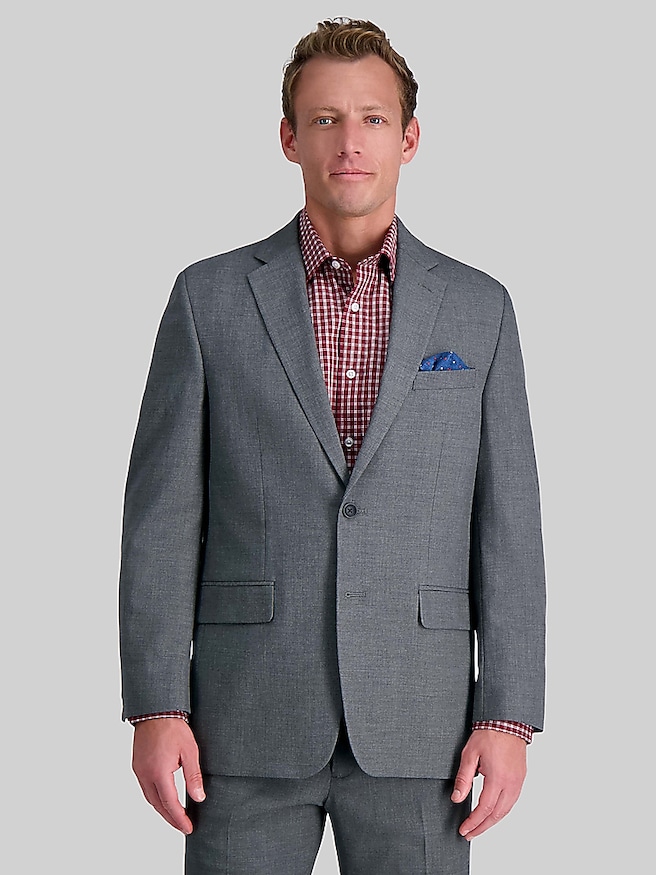
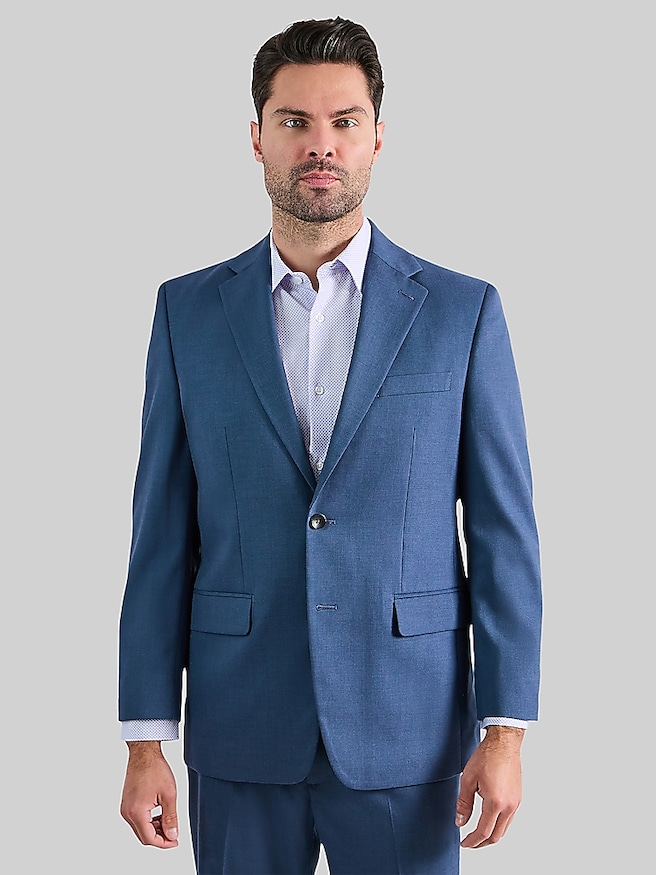
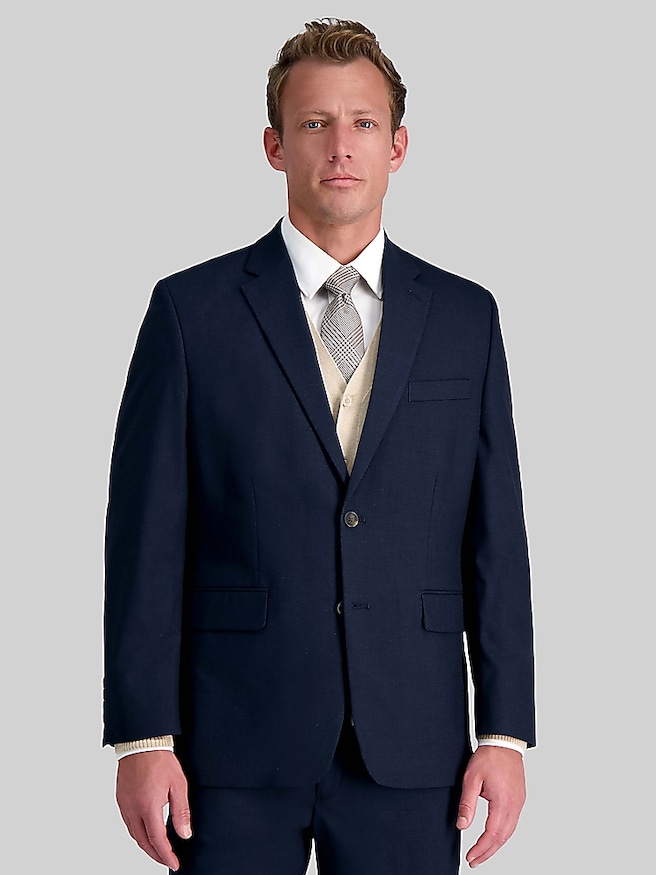
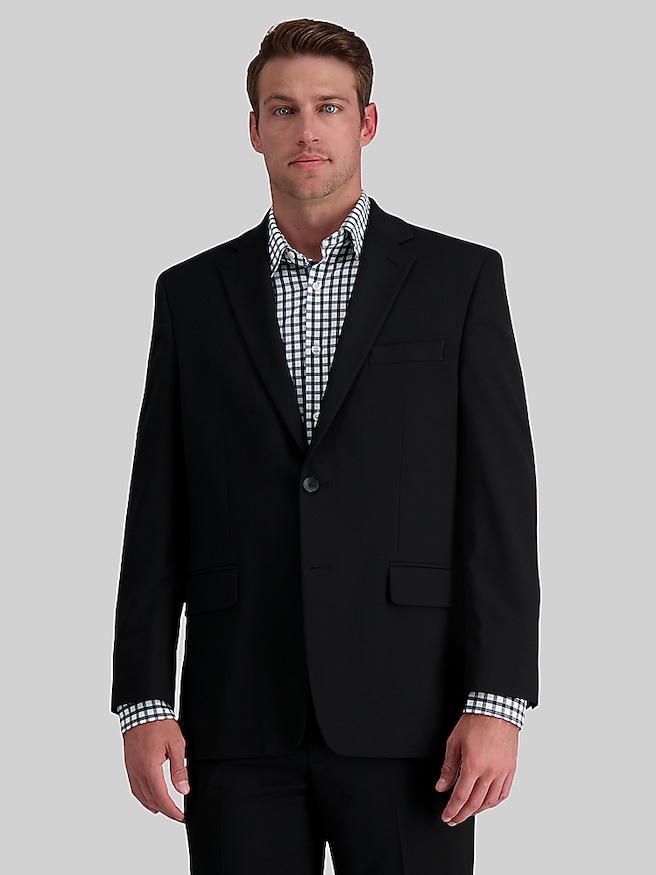
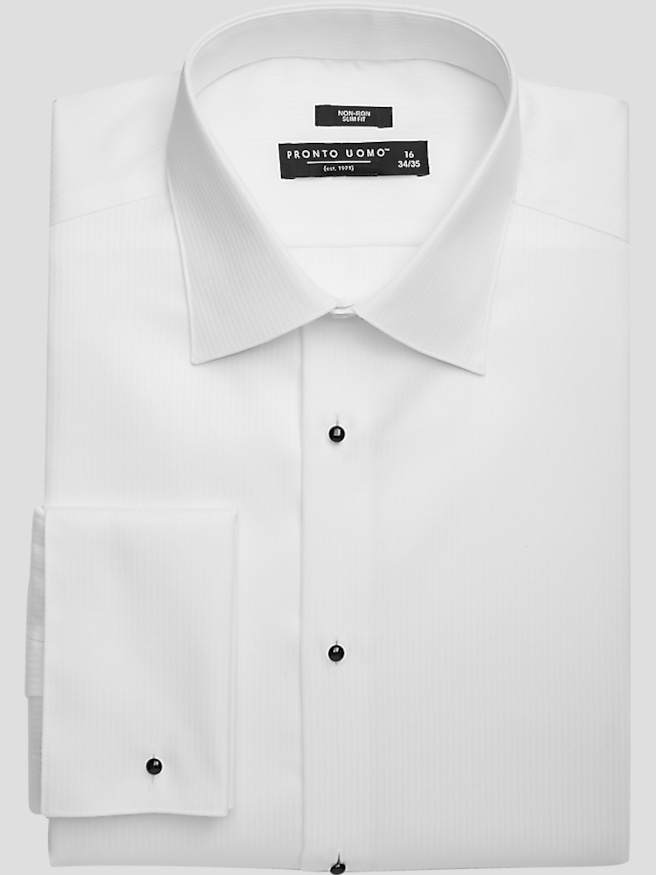
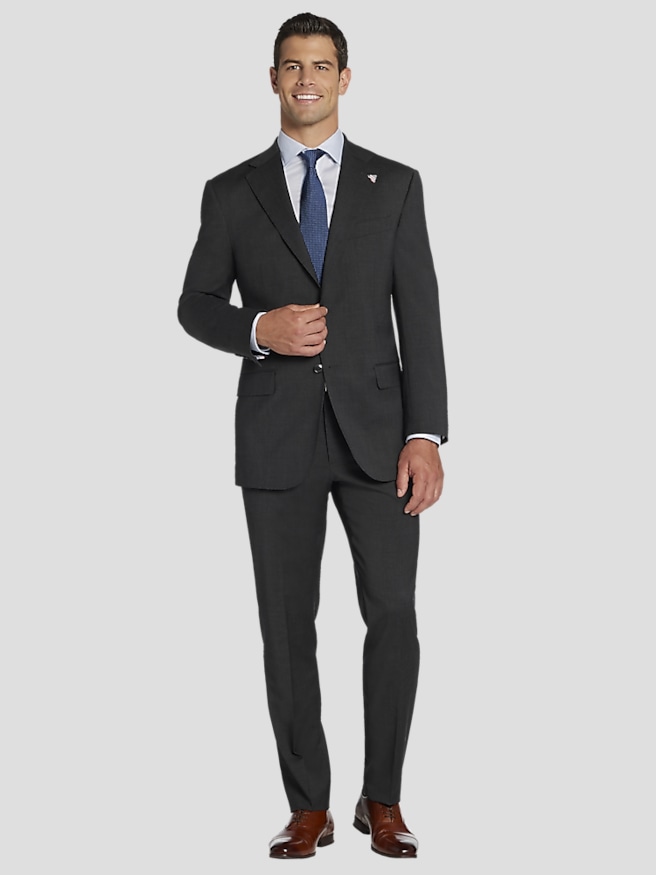
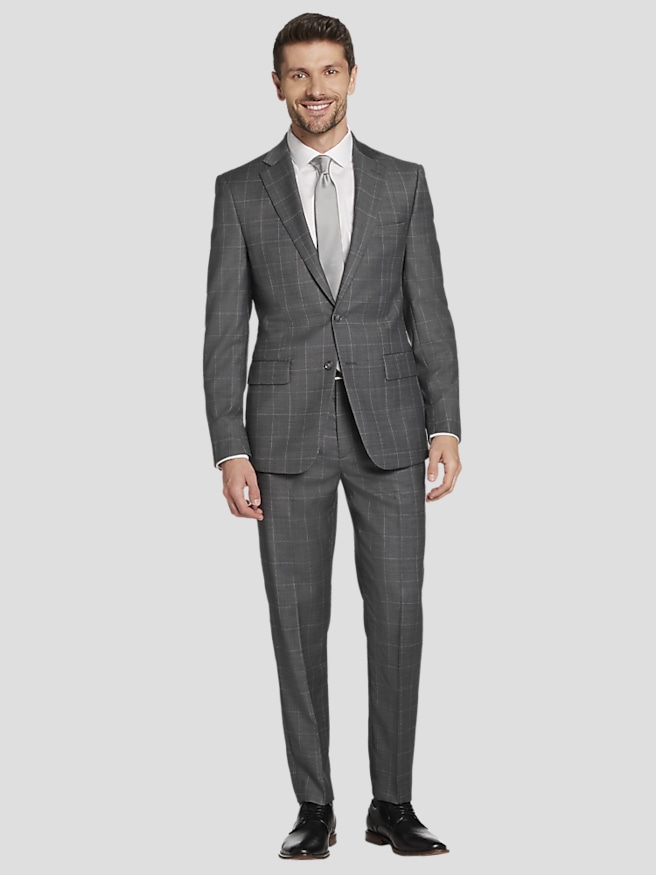
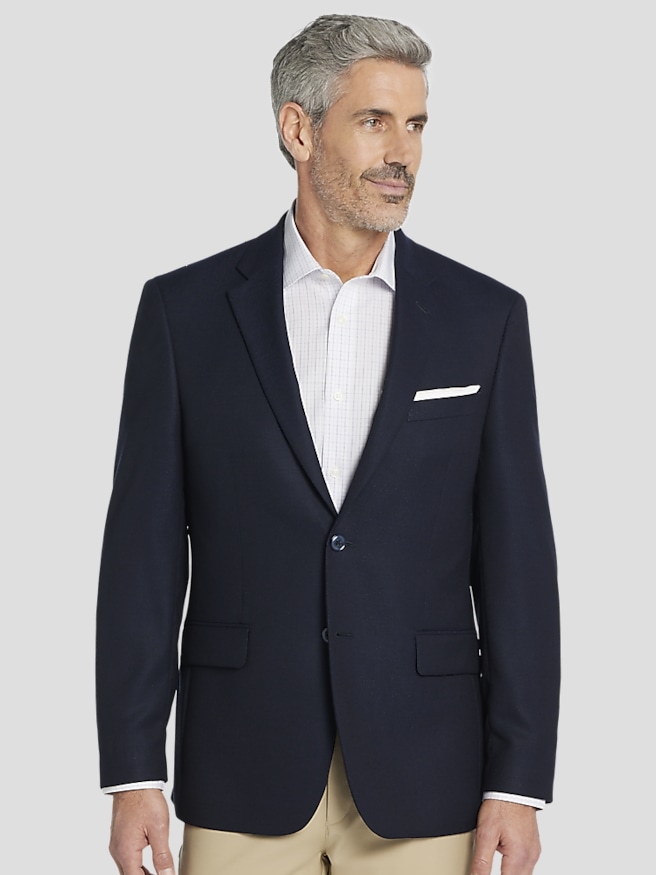
Winter weddings call for formalwear that looks polished while standing up to cooler temperatures, changing weather, and the transition between outdoor photographs and warmly heated venues. This collection of clothes for a winter wedding brings together refined layers, rich textures, and versatile pieces suited to a range of dress codes, from black-tie celebrations to cocktail receptions and semi-formal gatherings. A well-chosen suit or tuxedo creates the foundation of the outfit, while the right shirt, tie, pocket square, and dress shoes complete the look with purpose. Darker shades such as black, navy, charcoal, deep brown, and midnight blue naturally complement the season and photograph beautifully against winter landscapes, while jewel-toned accents add personality without feeling out of place. Fabric matters as much as color. Wool and wool-blend tailoring offer structure and warmth, velvet details provide a touch of evening elegance, and heavier woven fabrics can feel more substantial than lightweight summer suiting. For a formal celebration, a tuxedo or sharply tailored dark suit paired with a crisp dress shirt delivers a timeless impression. A cocktail or semi-formal wedding allows more flexibility with suit color, shirt styling, and accessories, making it easier to build an outfit that feels festive without looking overdressed. Guests attending a ceremony in a historic venue, a candlelit ballroom, or a softly decorated reception hall may appreciate clothing with texture and depth, especially when the setting includes seasonal greenery, warm metallic details, or rich floral arrangements. The ideal ensemble should also feel comfortable through a long day: consider a jacket with room for natural movement, trousers with a clean break, and a shirt collar that sits neatly without pulling. Small fit details become especially noticeable during formal occasions, when guests may spend hours standing for photographs, greeting family, dining, and dancing.
Cold-weather wedding attire works best when warmth is built into the outfit without compromising its clean lines. A tailored overcoat is an especially useful finishing layer for ceremonies held in cool venues or for travel between a hotel, ceremony site, and reception. Look for an outer layer that covers the jacket hem and coordinates with the suit rather than competing with it; charcoal, black, navy, and camel are dependable choices that can be worn well beyond the wedding. Scarves, gloves, and other cold-weather accessories should be understated and neatly finished when the event calls for formal dress. Closed-toe dress shoes are a practical choice for cooler conditions, particularly when a celebration includes outdoor photographs, a walk across a courtyard, or travel over damp pavement. Leather dress shoes, polished boots with a refined profile, and other formal footwear can help maintain a composed appearance while offering more coverage than warm-weather styles. Dark socks that extend comfortably above the ankle prevent gaps when seated, and a quality undershirt can add comfort beneath a dress shirt without showing through. Layering is also useful when the reception space is significantly warmer than the ceremony location. A dress shirt, tailored jacket, and overcoat can be adjusted throughout the day, allowing the wearer to remain comfortable without carrying bulky casual layers. Those shopping for a partner, family member, member of the wedding party, or well-dressed guest may find formal accessories especially thoughtful gifts. A tie, pocket square, cuff accessories, dress socks, or a classic belt can refresh clothing the recipient already owns and help them feel prepared for an important occasion. For additional inspiration on combining warmth, polish, and dress-code details, explore Wedding Attire For Cold Weather.
The most successful winter wedding outfit reflects both the invitation and the setting. Black-tie attire generally calls for the cleanest, most formal combination, with a tuxedo, formal shirt, refined accessories, and highly polished footwear. A formal wedding may suit a dark, well-structured suit with a conservative shirt and elegant tie, while cocktail attire leaves room for a little more contrast in color, pattern, or texture. Semi-formal celebrations can be approached with a tailored suit or coordinated separates, provided the overall appearance remains intentional and evening-ready. Read the invitation carefully for wording about formality, ceremony location, and wedding-party expectations, then consider practical details such as whether the event includes outdoor photos, a heated tent, a church with limited warmth, or a reception space that encourages dancing. Fit should remain the priority across every dress code. Sleeves should reach the wrist when the arms rest naturally, the jacket should lie smoothly across the shoulders, and trousers should fall cleanly without excessive bunching at the shoe. If the outfit will be worn for several hours, breathable layers and comfortable construction can make a noticeable difference. Seasonal color does not require a complete change from personal style; someone who normally favors simple neutrals can introduce winter character through a textured tie, a subtle patterned shirt, or a deep-toned accessory, while a more adventurous dresser might choose a richer suit shade balanced by understated finishing pieces. Coordinating with a wedding party is also worth considering, especially when the invitation includes a requested color palette. Guests should complement the celebration without appearing to match the wedding party exactly unless asked to do so. These clothes can serve well beyond a single ceremony, too: a dark suit may return for business events, holiday gatherings, dinners, and milestone celebrations, while formal accessories can add polish to clothing already in the closet. With thoughtful attention to fabric, layering, color, fit, and dress code, winter wedding clothing can provide warmth, confidence, and a polished presence from the first photograph to the final dance.