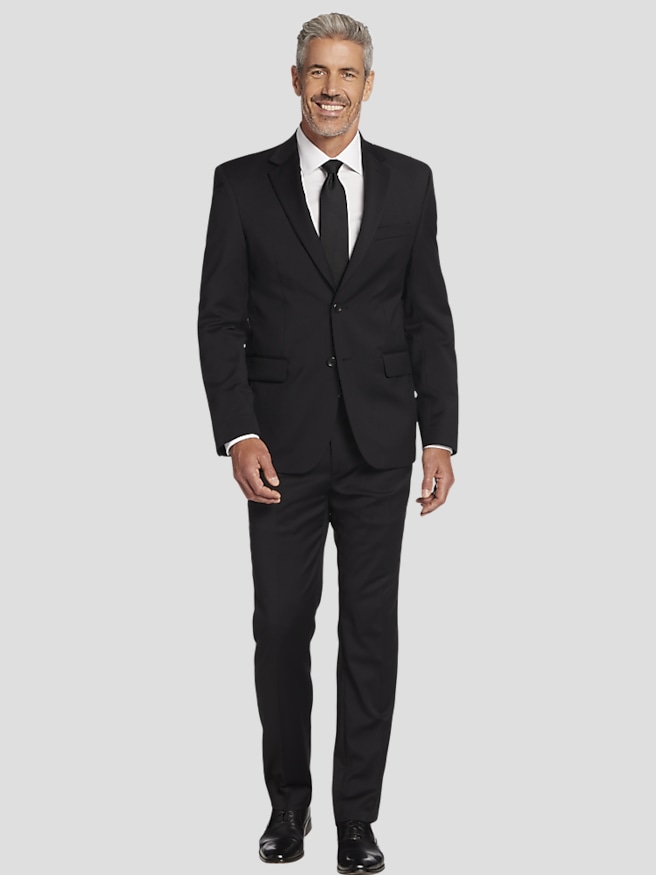
Suits For Winter Weddings
Suits for winter weddings blend style and sophistication with the warmth and comfort needed for the season's chill. Whether you're the groom, a groomsman, or a guest, finding the perfect ensemble is essential to making a memorable impression. Explore an array of options that cater to various tastes and preferences, ensuring you look dashing while staying cozy throughout the festivities. From rich textures to deep hues, these suits are designed to complement the enchanting atmosphere of a winter wedding , allowing you to celebrate in style.


The overall impression of a winter wedding suit depends just as much on fit as on fabric. A jacket should sit smoothly across the shoulders, with a collar that rests close to the shirt rather than pulling away at the back of the neck. When buttoned, the front should lie comfortably without pronounced pulling around the closure. A slim fit follows the body more closely, while a classic fit generally provides additional room through the chest, waist, and seat; neither should restrict movement during a toast or a turn on the dance floor. The most flattering silhouette is the one that stays balanced when the wearer moves, not simply the one that looks narrow on a hanger. Trousers need enough room for sitting through the ceremony and dinner, with a hem that falls cleanly over the intended shoes. Excess fabric pooling at the ankle can make otherwise polished tailoring look unfinished. Sleeve length also matters, allowing a small amount of shirt cuff to show without leaving the wrist overly exposed. A three-piece suit adds a matching vest for a more ceremonial appearance and a modest extra layer across the torso. The vest should cover the trouser waistband and remain smooth when seated, rather than bunching beneath the jacket. It also maintains a coordinated appearance if the jacket comes off later in the reception. Double-breasted tailoring offers another distinctive silhouette, with an overlapping front that creates a strong visual line, though it still needs comfortable room through the body. Formality remains separate from warmth: a dark wool suit can be appropriate for many cocktail or black-tie-optional weddings, but a black-tie invitation generally calls for a tuxedo. Velvet brings depth to evening attire, particularly in a dinner jacket, but its styling should reflect the requested level of formality. For wedding parties, coordinating the depth of color, fabric finish, and level of formality usually matters more than giving every person the same silhouette. Thoughtful alterations help create that consistency while accommodating different builds.
Suits are the foundation of Men's Winter Wedding Attire, with shirts, shoes, and outerwear completing the look. A crisp white shirt creates clear contrast with charcoal, navy, and jewel-toned tailoring, while a pale blue shirt can soften a less formal combination. There should be enough room at the collar to wear a tie comfortably through dinner, and the shirt should lie smoothly beneath a vest or jacket. Silk ties with subtle texture, restrained patterns, or a matte finish can complement substantial suiting without making the outfit feel busy. A pocket square works best as a companion to the tie rather than an exact duplicate, picking up a shared color or offering a simple white accent. For guests, accessories can acknowledge the wedding palette without imitating the wedding party’s full look. Smooth leather dress shoes create a more formal finish than heavily textured casual footwear, and clean, well-maintained soles matter when entrances or walkways may be damp. A tailored overcoat with sufficient room across the shoulders protects the suit’s shape more effectively than a tight outer layer that compresses the jacket. Gloves and a scarf provide warmth for outdoor photographs and can be removed easily before the ceremony. Long-term wear also depends on what happens after the celebration. A broad, supportive hanger helps preserve the jacket’s shoulders, while airing the suit after use allows moisture to dissipate before storage. Following the garment’s care label is essential, especially with blended fabrics, velvet, and structured tailoring. Gentle brushing may remove surface dust from suitable wool fabrics, and professional cleaning should be based on the care instructions and the garment’s condition rather than treated as automatic after every wear. Direct heat and aggressive pressing can damage fibers or leave unwanted shine. Breathable storage and attention to small repairs help protect the fabric between occasions. With considered care, a well-fitting winter wedding suit can continue to serve at formal dinners, milestone celebrations, and other dress occasions long after the final reception toast.
FAQs
For winter weddings, heavier fabrics such as wool, wool-cashmere blends, tweed, flannel, and velvet are ideal choices. These materials provide warmth, structure, and a luxurious look, making them perfect for cold-weather celebrations.
Deep, rich tones like charcoal gray, midnight blue, emerald green, burgundy, and oxblood are popular for winter wedding suits. These colors not only complement the season’s aesthetic but also add a sophisticated, festive touch to your ensemble.
Three-piece suits, double-breasted jackets, and tuxedos are excellent options for formal guest attire at winter weddings. These styles offer extra warmth and a polished appearance, making them suitable for both daytime and evening events.
Accessorize with a wool or cashmere overcoat, leather gloves, a merino wool scarf, and dark-toned dress shoes or boots. These seasonal accessories add warmth and style, completing your winter wedding look.
A velvet jacket is an excellent choice for a winter wedding, especially for evening or black-tie events. Velvet adds a touch of luxury and warmth, making it a standout option for both grooms and guests.