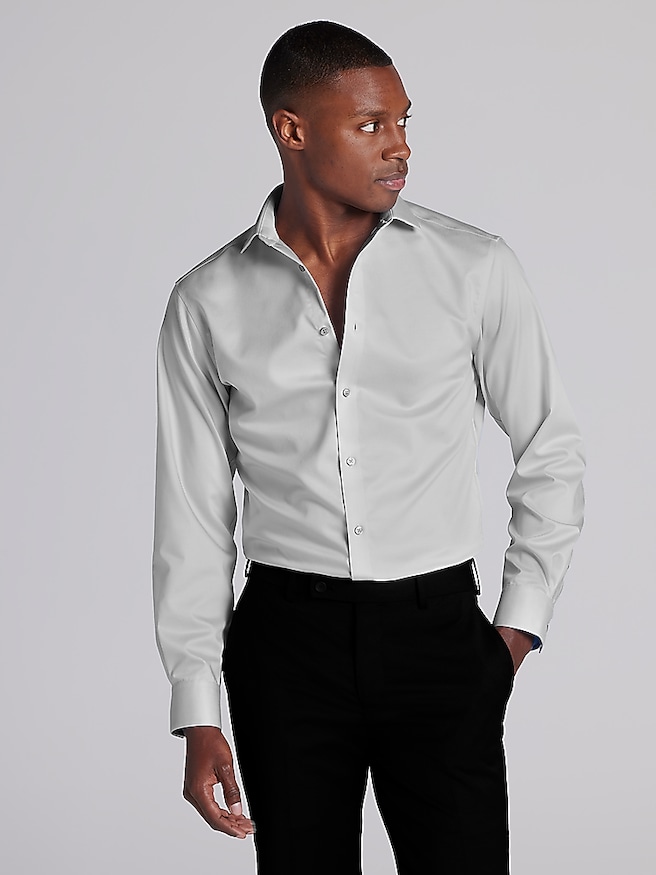
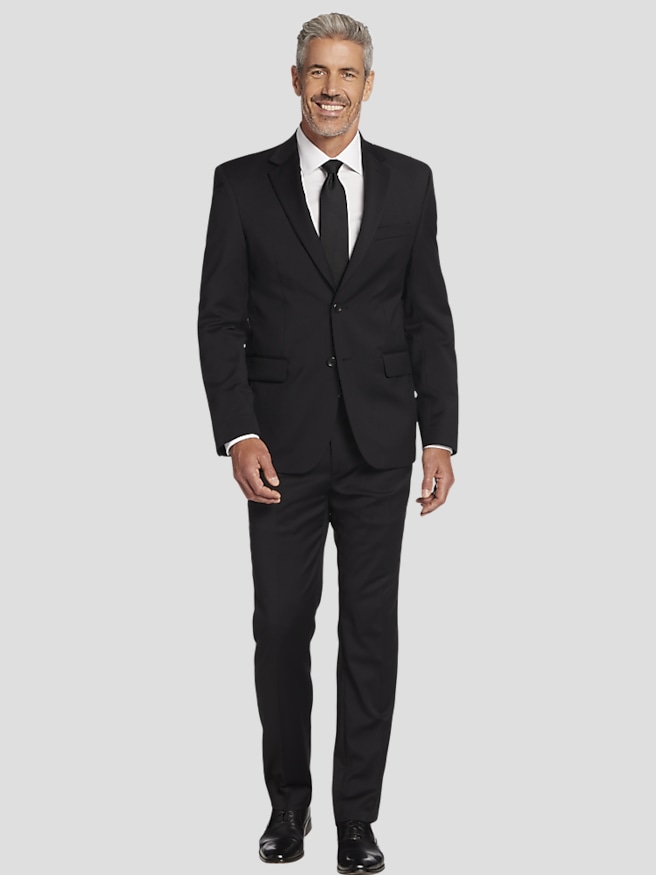
Dress shirts for a winter wedding bring a clean, finished layer to an outfit that may need to move from an outdoor portrait session to a ceremony and a lively reception. The right shirt sits comfortably beneath a suit or tuxedo, frames a tie or bow tie, and stays neatly tucked through seated dinners, greetings, and time on the dance floor. Crisp white remains a traditional choice for formal celebrations, especially with a black tuxedo, while pale blue offers a softer contrast with navy or charcoal suiting when the dress code allows. Subtle woven texture adds interest without competing with a patterned tie or a richly textured jacket. For cocktail or semiformal weddings, deeper shirt colors such as burgundy can create a more expressive combination, though the invitation and the couple’s requested attire should set the level of formality. Fabric matters as much as color. Cotton offers breathability and a familiar, natural feel, making it a useful foundation when substantial outerwear and heated reception rooms are part of the same day. Smooth broadcloth has a clean surface that works well with polished tailoring; cotton twill has a diagonal weave that adds gentle texture and can give the fabric a more substantial feel, depending on its weight and construction. Cotton blends can offer easier care, while stretch blends provide flexibility for reaching, sitting, and dancing. Neither a high cotton content nor a performance label alone determines comfort: fabric weight, weave, finish, and fit all contribute. A winter wedding shirt does not need to be heavy to feel appropriate. Much of the warmth can come from a wool suit, an overcoat, or other outer layers, leaving the shirt breathable enough for an indoor celebration. That balance is especially useful for a groom greeting guests throughout the reception, an attendant moving between photographs and the ceremony, or a guest traveling between venues.
A polished fit gives winter wedding dress shirts their shape without making a long celebration feel restrictive. The collar should close comfortably with enough room for roughly one finger between the fabric and the neck, rather than pressing tightly once a tie is in place. Shoulder seams should sit close to the shoulder’s natural edge, and the chest should lie smoothly without buttons pulling or fabric stretching into horizontal lines. Slim fits create a closer outline beneath trim tailoring, while classic or fuller cuts allow more room through the torso; the best match depends on body shape and ease of movement, not simply the name on the label. Big and tall proportions can address needs that a larger standard size may not resolve, including additional body length or sleeve length. A shirt that feels comfortable while standing should also allow an easy reach across a dinner table and enough freedom to raise both arms. Longer shirttails help maintain a neat tuck, and sleeves should reach the wrist so that a small amount of cuff can show beneath a properly fitted jacket. Collar and cuff details establish the shirt’s character. A point collar creates a relatively narrow frame for a necktie, while a spread collar leaves more space for a fuller knot; the collar should look balanced with the wearer’s proportions and the jacket’s lapels. Button cuffs are straightforward and versatile for many suit-based wedding outfits. French cuffs require cufflinks and add a more ceremonial finish, making them a natural consideration for formal attire. For traditional black tie, a white tuxedo shirt is the clearest match, with its front, collar, and fastening details chosen to complement the tuxedo and bow tie. A plain business dress shirt is not automatically interchangeable with that formal foundation. Pleated or textured formal fronts, concealed buttons, and stud-compatible designs create distinct effects, so these details should feel intentional together. With a conventional suit, a smooth shirt front and understated cuffs often provide all the polish needed, letting the tie, pocket square, or jacket supply the stronger accent.
Care and construction help a dress shirt remain useful beyond a single wedding. Secure buttons, even stitching, neatly finished seams, and a collar that lies smoothly all contribute to a dependable appearance. Fabric that is opaque enough for the intended setting is another practical consideration, particularly with white shirts under bright indoor lighting or during photographs. A discreet undershirt close to the wearer’s skin tone can reduce show-through, provided its neckline stays hidden and its sleeves do not bunch beneath the dress shirt. Wrinkle-resistant finishes can make preparation easier, but they do not make a shirt immune to creasing after hours of sitting or travel. The care label remains the best reference for washing, drying, and pressing, since cotton, synthetic blends, stretch fibers, and special finishes can need different treatment. Excessive heat may damage stretch fibers or affect a finish, while leaving a shirt crumpled after washing creates extra work before the next occasion. Prompt hanging, careful pressing at the recommended setting, and enough space in a garment bag help preserve a smooth appearance. Collars and cuffs benefit from attention to perspiration and other residue before storage, rather than being put away with marks that can become harder to remove. A well-chosen wedding shirt can also become part of a broader occasion wardrobe: a pale blue button-cuff shirt may move easily into business wear, while a white French-cuff shirt has a place at future formal dinners. Similar fabric, fit, and care considerations apply to holiday party dress shirts for men, especially when an event calls for tailoring and several hours of comfortable wear. As a gift for a groom or another wedding participant, a dress shirt is most practical when neck size, sleeve length, preferred fit, and dress code are already known. Those details make the difference between a thoughtful gesture and a shirt that genuinely earns repeat use.