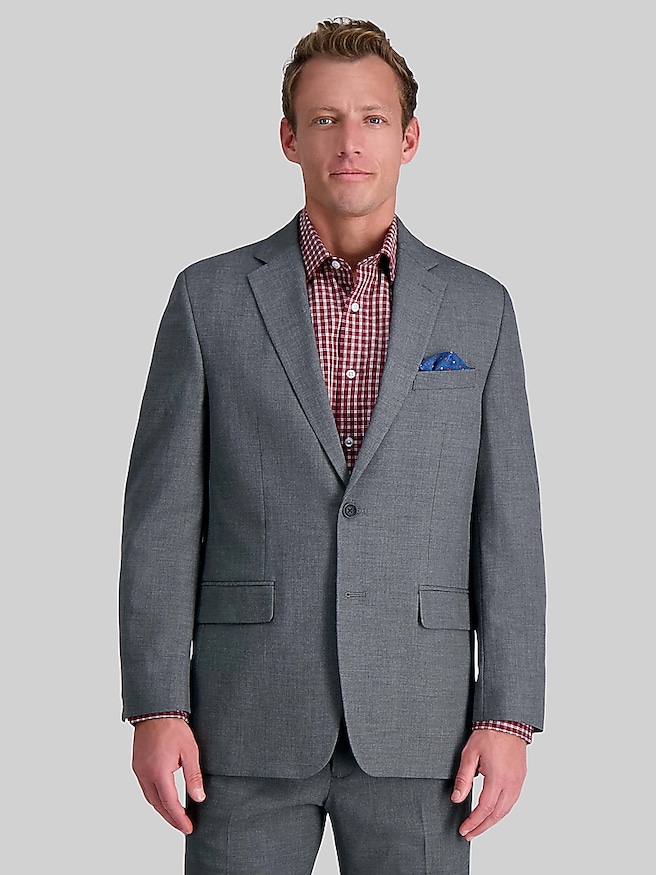
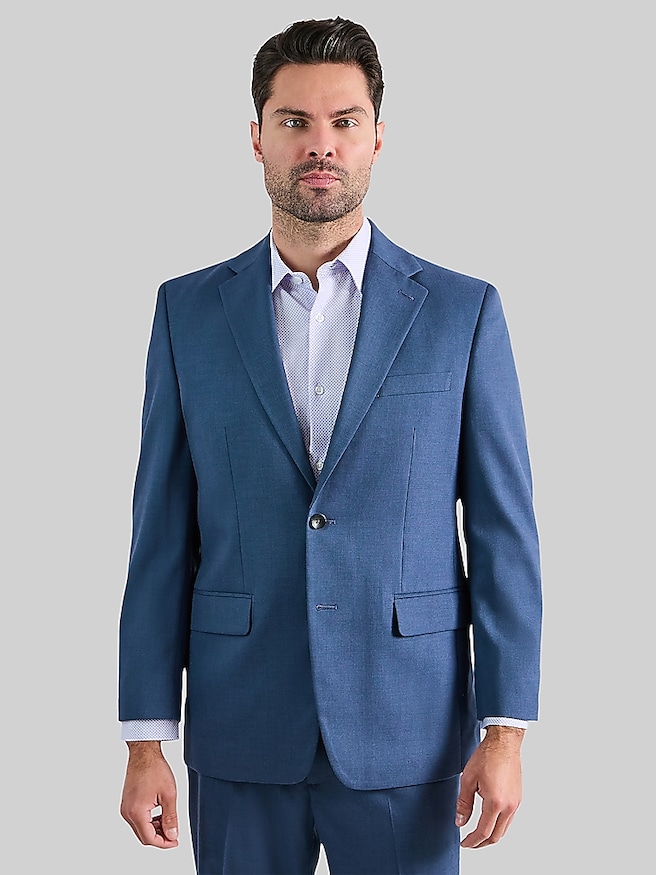
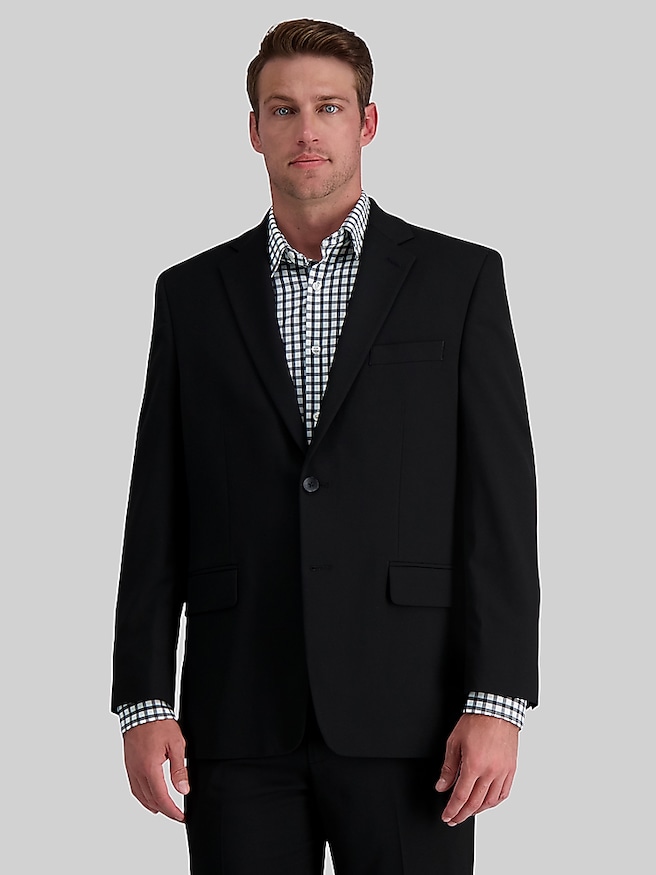
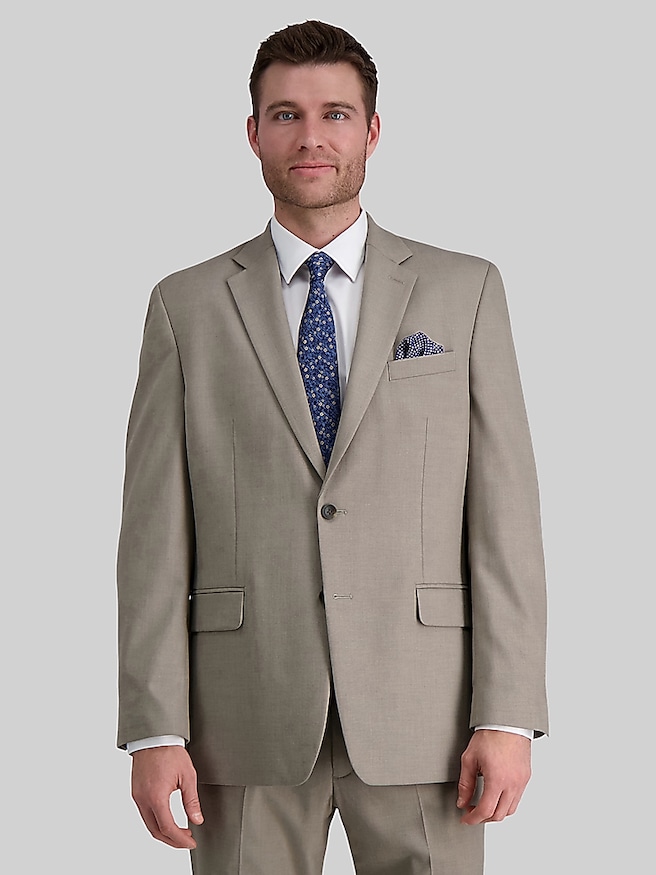
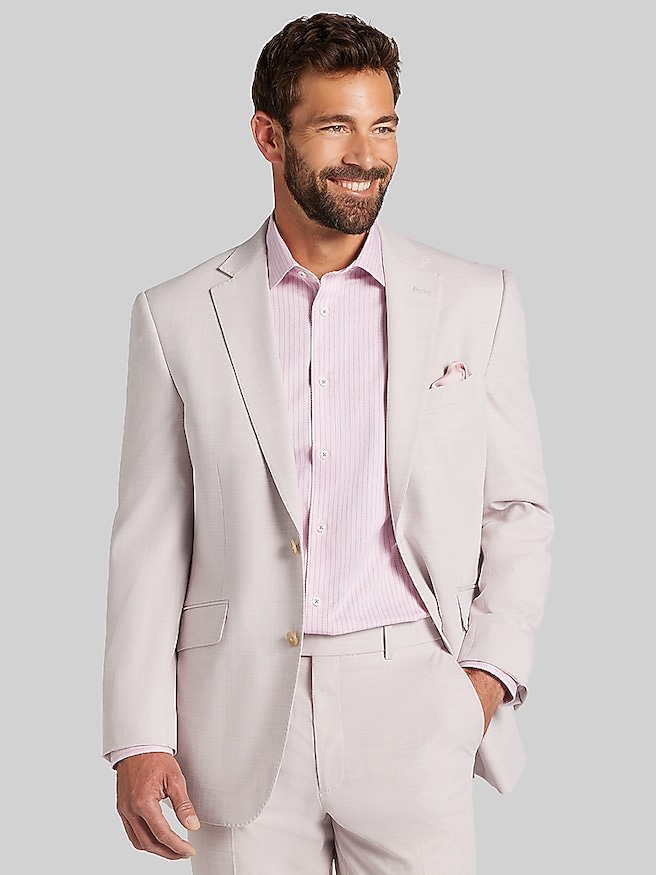
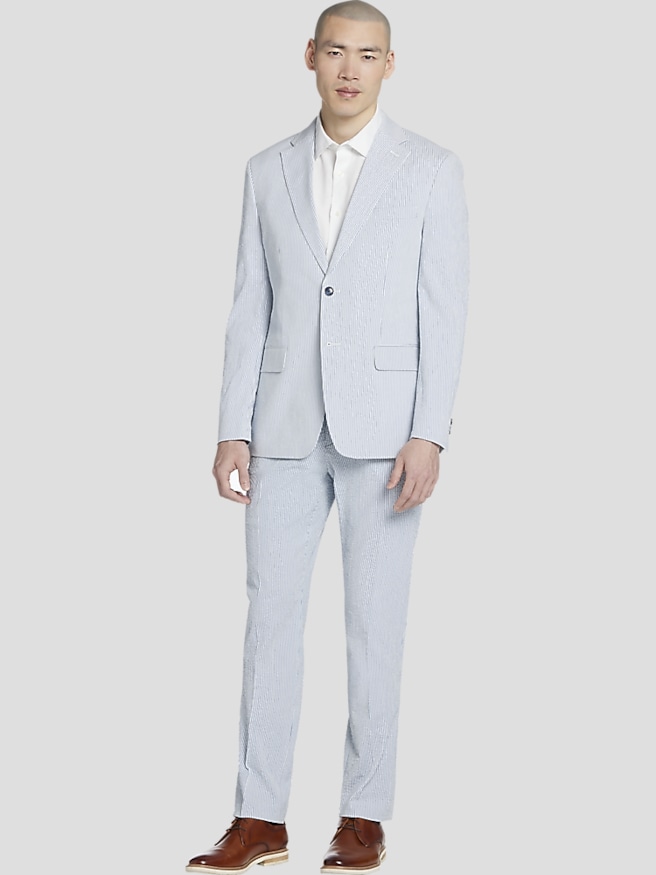
Spring wedding guest outfits balance the celebration’s dress code with the lighter colors, varied settings, and changeable conditions associated with the season. A well-chosen outfit looks appropriate in ceremony photographs, feels comfortable through dinner, and holds its shape when the reception moves to the dance floor. Suits, tailored separates, dress shirts, and coordinated accessories create that balance without drawing attention away from the couple. The invitation sets the level of formality: black tie calls for a tuxedo, while black-tie optional generally allows either a tuxedo or a dark, dressy suit. Cocktail attire typically centers on a suit, and a dressy-casual celebration may suit a sport coat with tailored trousers when the venue and invitation support a more relaxed approach. For celebrations where a coordinated jacket and trousers make the most sense, Spring Wedding Guest Suits provide a polished foundation for the rest of the outfit. Navy and medium gray work across many settings, from a hotel ballroom to a covered terrace, while light gray, tan, and soft blue can feel especially fitting for daytime ceremonies. A garden setting might welcome a subtle check or textured weave; an evening reception generally favors deeper colors and quieter patterns. White and pale blue dress shirts offer a clean backdrop for a tie, while muted pink, sage, or lavender accents introduce spring color in a restrained way. An all-white or near-white ensemble is best avoided unless the couple specifically requests it, and any stated color requirements take priority over a preferred palette. The goal is cohesion rather than exact matching: a patterned tie can pick up a color from the jacket, while a pocket square adds a complementary tone without repeating the same fabric. For a ceremony on a lawn followed by a reception indoors, that versatility matters more than an outfit built around a single photograph. Spring wedding attire can feel fresh and celebratory while remaining grounded in familiar tailoring, thoughtful proportions, and respect for the occasion.
Fabric and fit make the biggest difference once an outfit is on for several hours. Lightweight wool is a useful option for spring tailoring because it combines breathability with a clean drape and natural resilience. More open weaves allow air to circulate, although fabric weight and jacket construction also influence comfort. Linen has an airy feel and visible texture that suits relaxed daytime settings, with creasing that is part of its character rather than a flaw. Linen blends may soften that wrinkled effect, depending on their fiber content and construction. Cotton offers a crisp, slightly more casual appearance, while seersucker brings a puckered texture that feels most at home at less formal outdoor celebrations. A heavily structured jacket with a full lining may feel warmer than its outer fabric suggests; partial lining and lighter construction can make a noticeable difference during a sunny ceremony. Smooth linings also help a jacket slide over a shirt without catching at the sleeves. Fit should support movement as well as appearance. Jacket shoulders sit close to the body without extending noticeably beyond it, lapels lie flat, and the front closes without pronounced pulling around the button. A slim fit can look sharp without restricting the chest or thighs, while a roomier cut still benefits from a defined shoulder and a clean trouser line. Trousers should stay comfortable while seated and fall neatly over dress shoes rather than gathering heavily at the ankle. Shirt collars need enough room for comfortable wear with a tie, and cuffs should sit at the wrist with a small amount visible below the jacket sleeve. These details become especially noticeable during a long ceremony, a seated meal, or an energetic reception. Alterations can refine sleeve length, trouser hems, and the waist, but a jacket that fits well through the shoulders offers a stronger starting point than one requiring major reconstruction.
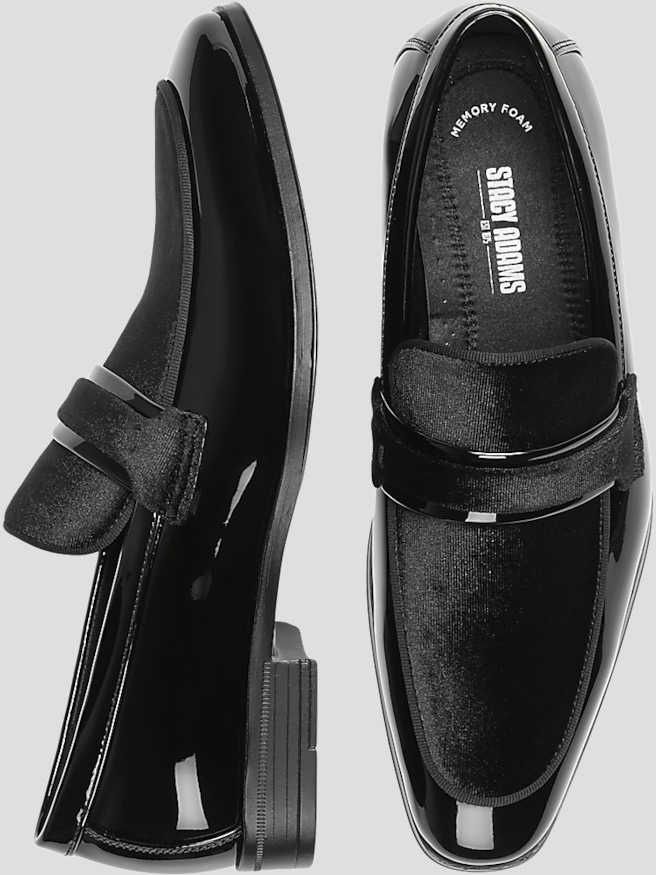
The finishing pieces give spring wedding guest attire its sense of completeness. Leather lace-ups bring a formal edge to a suit, while streamlined loafers can work with lighter tailoring at a less formal celebration. Black shoes are a natural partner for charcoal and other dark evening looks; brown shades often complement navy, tan, and lighter gray. For black tie, polished black formal footwear keeps the outfit aligned with the dress code. Outdoor settings add a practical consideration: a stable sole and a comfortable fit are valuable on gravel paths, brick walkways, or uneven lawns. Shoes that have already been worn comfortably are often a better choice for a full wedding day than an unfamiliar pair making its first appearance. Fine-gauge socks create a smooth line beneath tailored trousers, and a belt, when needed, looks most cohesive in a leather tone close to the shoes. Accessories work best with a clear focal point. A textured tie can enliven a plain suit, while a subtle pocket square and a simple watch finish the outfit without making it feel crowded. An understated dress coat provides a practical outer layer when the forecast calls for it. Care also affects how well these clothes serve beyond one invitation. Following garment labels is essential, particularly for blended fabrics, lined jackets, and delicate accessories. Suits benefit from airing between wears, gentle brushing, and broad hangers that support the shoulders; professional cleaning is best reserved for stains, odors, or other genuine cleaning needs. Shirts generally need more frequent laundering, with careful pressing around the collar, cuffs, and placket. Shoe trees help leather footwear retain its shape, and polishing keeps scuffs from distracting from otherwise polished tailoring. A breathable garment bag protects an outfit in storage or transit without trapping moisture. With sensible care, versatile colors, and a fit that feels natural, wedding guest clothing can move comfortably into future celebrations, dressy dinners, and other occasions that call for a considered appearance.