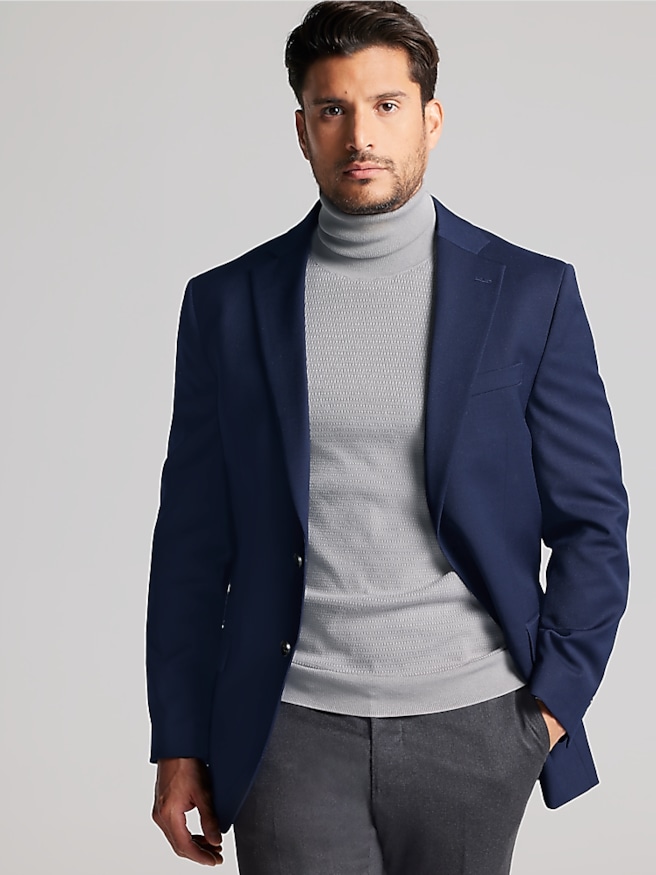
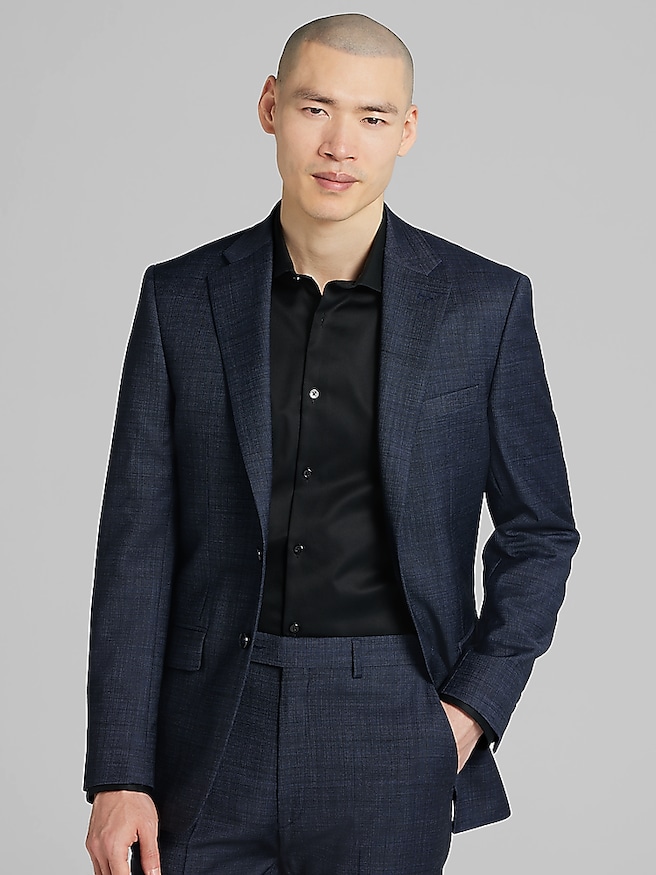
Wedding guest outfit ideas start with the invitation’s dress code, the venue, and the formality of the celebration. A tuxedo with a dress shirt, black bow tie, and polished formal shoes fits a black-tie wedding, while a dark suit offers an appropriate option when the invitation says black tie optional. Cocktail attire generally calls for a suit with a dress shirt and refined accessories; semi-formal celebrations may allow more flexibility in color and styling. For a dressy-casual wedding, tailored trousers, a collared shirt, and a sport coat can create an intentional look without the formality of a matching suit. Navy and charcoal are versatile foundations because they pair easily with white or pale blue shirts and a wide range of ties. Medium gray, muted blue, and subtle checks offer additional character when the setting allows it. The difference between an outfit for a grand ballroom and one for a relaxed waterfront ceremony often comes down to fabric texture, footwear, and the level of structure in the jacket. Options within Beach Wedding Guest Outfits For Men reflect a more relaxed setting, where textured fabrics and less structured tailoring can feel at home while still looking polished. For a place of worship followed by a formal reception, a coordinated suit provides a consistent level of dress throughout the day. A restaurant celebration may suit a textured jacket and complementary trousers, provided that combination matches the requested dress code. A white dress shirt remains a classic foundation for a guest’s suit; an all-white ensemble is better avoided unless specifically requested. Distinctive details work best in moderation: a patterned tie, textured pocket square, or rich leather shoe can bring personality without competing with the occasion. The strongest combinations look considered in photographs and feel appropriate beside the other guests, keeping the focus on the couple rather than an attention-grabbing outfit.
Fabric and fit shape how wedding guest clothing looks and feels from the ceremony through the last dance. Wool suiting offers a smooth appearance, natural resilience, and a drape that works well for tailored jackets and trousers. Worsted wool has a particularly clean finish, while more visibly textured weaves give an outfit added depth. Wool blends can offer a balance of texture, shape retention, and ease of movement, though the fiber content and construction determine how a fabric performs. Linen has an unmistakable texture and a relaxed drape, with natural creasing that becomes part of its character. Cotton tailoring often has a softer, less formal appearance, making it well suited to celebrations where a traditional dark suit would feel too dressy. Fabric weight, weave, and lining also influence how a jacket moves and holds its shape. For dress shirts, a smooth poplin creates a crisp foundation, while twill adds subtle texture; an opaque fabric is especially useful beneath a lighter-colored jacket. Fit should support movement without leaving excess fabric at the shoulders, waist, or ankles. A jacket’s shoulder line should sit close to the natural shoulder, its collar should rest against the shirt collar, and the front should button without pulling into an X shape. Slim silhouettes sit closer to the body, while roomier cuts allow more space through the chest, seat, and thigh; neither should feel restrictive. A small amount of shirt cuff showing beneath the jacket sleeve creates a finished proportion. Trousers should sit securely at the waist and fall cleanly over the shoes rather than pooling around the ankles. For a guest moving between a ceremony seat, a dinner table, and a dance floor, comfort means being able to sit, reach, and walk naturally. Sleeve and trouser alterations can sharpen those proportions, but a jacket that fits properly through the shoulders provides the strongest starting point.
Accessories bring wedding guest attire together without requiring every element to match. A tie can pick up one color from a patterned shirt or complement the suit, while a pocket square adds contrast through texture or a restrained pattern. Wearing identical tie and pocket-square patterns can look more coordinated than necessary; related colors usually create a more natural result. Small-scale dots, fine stripes, and subtle woven patterns are easy to pair with solid tailoring. With a patterned suit, a quieter shirt and tie help keep the combination balanced. Shoes should reflect the outfit’s formality: sleek lace-ups complement tailored suits, while refined loafers can work with less formal combinations when the invitation permits. Black leather is a straightforward choice with black or charcoal tailoring, and dark brown leather pairs naturally with many navy and gray outfits. Socks that relate to the trousers help maintain a continuous line when seated. A belt, when needed, should coordinate with the shoes; trousers designed for suspenders or side adjusters do not need one. For a guest giving a reading or appearing in family portraits, a jacket that hangs cleanly and a well-pressed shirt make a noticeable difference. Clothing intended for repeated celebrations benefits from careful upkeep as much as thoughtful selection. Seams, button attachments, and trouser hems are useful places to inspect for sound construction, especially on pieces that will see frequent use. Following each garment’s care label, using a supportive jacket hanger, and allowing clothing to air after wear help preserve its shape and finish. Gentle brushing can remove surface dust from suitable suiting fabrics, while pressing or professional cleaning should follow the garment’s care requirements. Clean, conditioned leather shoes and neatly maintained accessories complete the effect. Versatile tailoring can then serve beyond a single wedding, with a change of shirt or tie giving the same foundation a distinct look for another celebration.