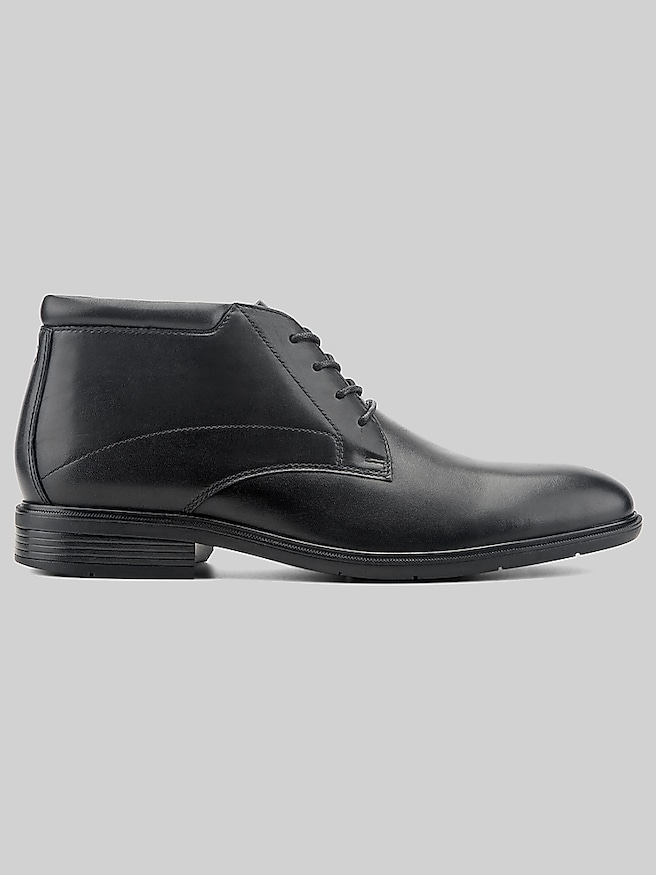
Winter leather shoes bring a polished finish to cold-weather clothing, with the right construction helping balance comfort, durability, and protection from damp conditions. Leather alone does not make a shoe waterproof or insulated: performance depends on the upper, seams, lining, sole, and any protective membrane built into the footwear. That distinction matters on a commute that includes wet sidewalks, a walk across a slushy parking lot, or an evening that moves from the street into a dressy restaurant. Smooth leather lace-ups can complement wool trousers and a tailored overcoat, while leather ankle boots work naturally with dark denim, corduroy, and heavier knitwear. A streamlined profile keeps an outfit refined without requiring a thin, smooth sole that is better suited to dry surfaces. Black leather offers a crisp finish with charcoal or navy tailoring; brown and burgundy tones bring depth to textured fabrics and less formal combinations. Full-grain leather retains its natural grain surface and can develop a distinctive patina with wear, though its cold-weather suitability still depends on the finish and overall construction. Suede and nubuck provide a softer, textured appearance but generally need more attention around moisture and road salt. For everyday winter wear, practical details deserve as much attention as color: a rubber outsole, a secure heel, and enough interior space for an appropriate sock can make a meaningful difference between the front door and the office. Anyone comparing leather footwear with other cold-weather options can explore Men's Winter Shoes with intended use in mind. Footwear for brief outdoor walks and long stretches indoors serves a different purpose from boots built for extended exposure to snow. Winter leather dress shoes are especially useful for office routines, dinners, and formal gatherings where a finished appearance matters, while more substantial leather boots may better suit longer walks and casual settings. Neither appearance nor a heavy feel, however, is a substitute for stated waterproofing, insulation, or traction features.
The most useful winter footwear features are the ones that match the surfaces and temperatures a person actually encounters. Rubber soles with a defined tread can provide better purchase on wet pavement or packed snow than smooth leather soles, but no outsole guarantees secure footing on ice. Deep lugs can help in loose snow, while a less aggressive tread may feel more natural across sidewalks and indoor floors. A modest heel with a broad contact area generally feels steadier than a narrow one, and some sole flexibility helps the foot move comfortably through a normal stride. Waterproof construction typically involves more than a treated upper; sealed seams, a membrane, or other purpose-built barriers may be needed to keep water from entering. Water-resistant leather can handle limited moisture, but that description should not be taken to mean protection during prolonged exposure or repeated steps through puddles. A higher ankle opening offers more coverage than a low shoe, although water and snow can still enter over the top. Warmth is similarly specific to construction. An insulated or wool-lined interior can help during longer periods outside, while a lighter lining may be more comfortable for someone spending most of the day in heated rooms. Socks contribute to that balance, with wool blends often useful for warmth and moisture management. Fit should be assessed with the sock thickness intended for wear rather than a thin dress sock by default. Toes need room to move, the heel should feel secure, and the forefoot should not be squeezed from the sides. Extra-thick socks cannot compensate for poor fit; crowding the foot can reduce comfort and leave less space for insulating air. Leather may soften with wear, but a painful pressure point or cramped toe box should not be dismissed as something that will necessarily disappear. For someone who stands through meetings, walks between transit stops, or spends an evening at a reception, stable support and a well-fitting interior are just as important as a handsome leather finish.
Consistent care helps winter leather shoes maintain their appearance and remain comfortable through repeated wear. Moisture, grit, and deicing salts can be hard on both leather uppers and the edges where uppers meet soles, so a small amount of regular attention is more useful than waiting for visible damage. After a wet walk, gently removing surface residue with a soft cloth keeps dirt from sitting on the finish. Salt marks deserve prompt attention with a cleaner appropriate for the leather, following the footwear maker’s care directions rather than relying on a harsh household mixture. Smooth leather, suede, and nubuck need different tools and treatments, and any unfamiliar cleaner or protectant should be tested on an inconspicuous area first. A compatible conditioner can help keep smooth leather supple, while polish restores color and improves its finished appearance; neither should be assumed to make ordinary footwear waterproof. Protective sprays or waxes may improve water resistance when suitable for the material, but they can also alter color or texture. Damp footwear should dry naturally away from radiators, fireplaces, and direct heat, which can stiffen leather or affect adhesives. Absorbent paper can help draw out initial moisture, and unvarnished cedar shoe trees can help preserve shape once excess moisture has been addressed. Allowing shoes to dry fully between wears also supports interior freshness and reduces the strain of repeated damp use. Over time, durability depends on more than leather thickness: stitching, heel wear, sole attachment, and the condition of the lining all affect how footwear holds up. Some constructions permit resoling, making repair a useful consideration for a frequently worn pair, though that capability should be confirmed rather than assumed. As a gift, winter leather footwear is a thoughtful choice for someone building a work wardrobe, dressing for frequent dinners, or replacing shoes that no longer suit a daily commute. Knowing the recipient’s size, usual socks, preferred fastening, and walking routine makes the choice more personal. The strongest match combines a familiar fit and versatile appearance with the level of weather protection the wearer genuinely needs.