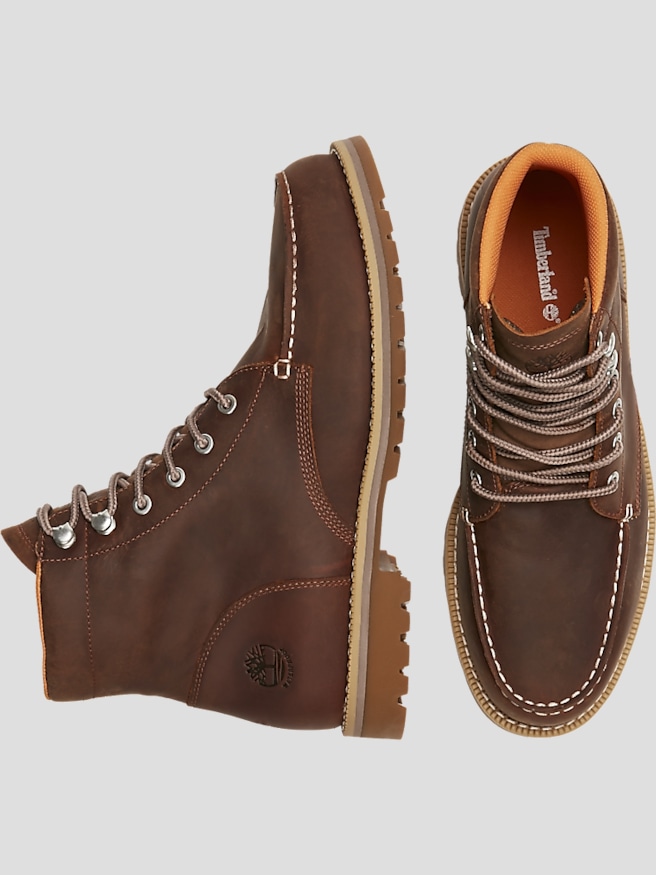
To keep your leather winter boots in top condition, regularly clean off dirt and salt with a soft brush or damp cloth. Apply a leather conditioner to keep the material supple and prevent cracking. Use a waterproofing spray or wax specifically designed for leather to protect against snow and moisture. Allow boots to dry naturally away from direct heat sources and store them in a cool, dry place when not in use.
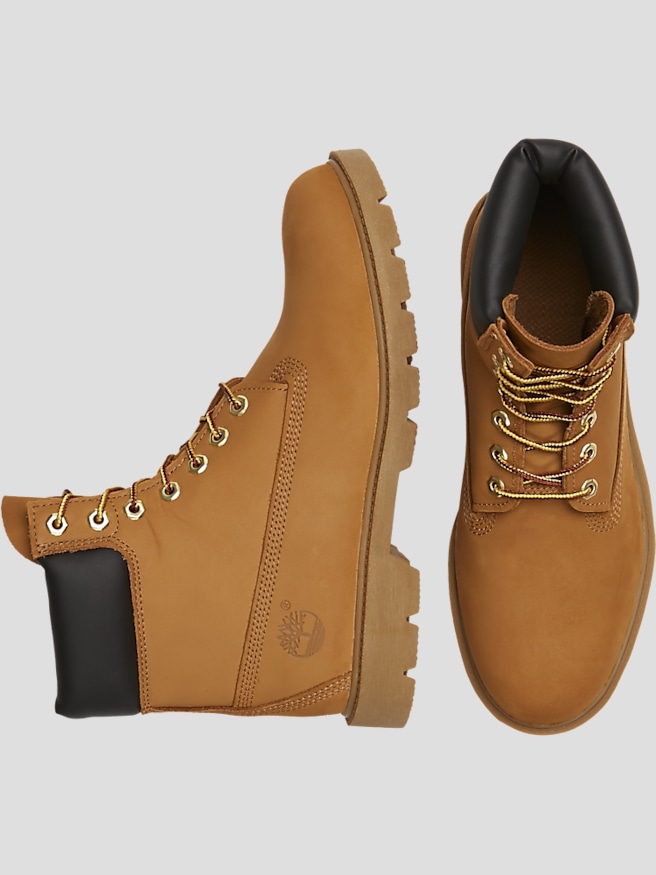
When choosing leather winter boots, look for features like insulated linings for warmth, waterproof or water-resistant treatments, and rugged outsoles with deep treads for traction on icy surfaces. A gusseted tongue can help keep snow and moisture out, while cushioned insoles add comfort for extended wear.
Yes, leather winter boots are versatile enough to complement both casual and more dressed-up outfits. Sleeker, polished styles can be paired with dress pants or wool trousers for work or formal events, while rugged, distressed designs work well with jeans and casual wear. Their classic look makes them a practical and stylish choice for many occasions.
Leather winter boots can be worn in heavy snow if they are properly treated with waterproofing products and feature sealed seams. For extra protection, choose boots with insulated linings and non-slip soles. After exposure to snow, it’s important to dry the boots thoroughly and reapply waterproof treatments as needed to maintain their protective qualities.
Leather is favored for winter boots because it offers a combination of natural insulation, durability, and breathability. It helps keep feet warm in cold weather while allowing moisture to escape, preventing discomfort. With proper care, leather develops a rich patina over time and remains resilient against the elements, making it a timeless and reliable choice for winter footwear.