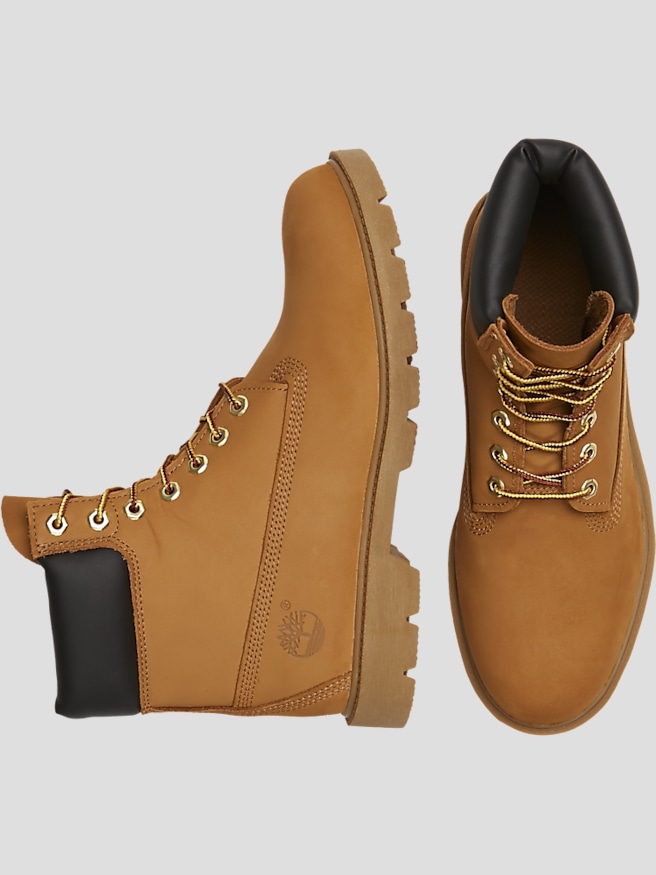
Winter boots are made for more than the occasional snowfall. The right pair can carry you through wet sidewalks, slushy commutes, frosty mornings and weekends spent outdoors while keeping your feet warm, dry and steady. When choosing winter boots, start with the conditions you encounter most often. For city walking and everyday errands, look for a waterproof or water-resistant upper, sealed seams and a durable rubber outsole that can handle puddles, packed snow and slick pavement. A rubber shell around the lower portion of the boot offers an added barrier against melting snow and slush, while treated leather or weather-ready synthetic materials can help keep moisture from reaching your socks. If your routine includes long periods outside, deep snow or especially cold temperatures, prioritize more substantial insulation and a taller shaft that helps keep snow from finding its way over the top. Synthetic insulation is commonly measured in grams; lighter insulation, such as 200g, can suit milder winter conditions, while 400g or more is better suited to deep cold and extended time outdoors. Removable felt or insulated liners can add warmth, make drying easier and allow the boots to adapt as conditions change. Temperature ratings may be useful as a reference, but they depend on activity level, sock thickness, fit and how long you remain outside, so they should be considered alongside the rest of the boot’s construction. A boot that keeps feet warm while walking may feel different when standing still at a winter sporting event or waiting for transportation. For a broader range of transitional footwear suited to changing conditions, explore Cool Weather Boots.
Traction deserves just as much attention as warmth. A deep-lug rubber outsole helps provide grip on loose snow, wet pavement and uneven ground, while a flexible tread can make everyday walking more comfortable. No outsole can eliminate every winter hazard, particularly on smooth ice, but a well-designed sole with pronounced lugs and a stable heel can help you move with greater confidence. Consider the shape of the boot as well. A roomier toe box allows your toes to move and leaves space for a warm pair of socks, but an overly loose fit can let the foot slide and reduce stability. Try boots on with the socks you expect to wear during the cooler months, and pay attention to pressure across the instep, heel and toes. The heel should feel secure without rubbing, and the boot should bend comfortably where your foot naturally flexes. If you plan to tuck in trousers or wear thicker layers, a wider opening or adjustable gusset can make getting dressed easier. Lace-up styles often provide a more precise fit, while pull-on designs are convenient for quick trips outdoors. Waterproof construction is especially valuable for clearing a walkway, walking the dog after fresh snowfall or crossing a street where snow has turned into brown slush. For hiking, shoveling or other active use, look for supportive midsoles, reinforced toe and heel areas, and construction that feels secure without becoming unnecessarily heavy. City wearers may prefer a cleaner profile that pairs easily with jeans, cords or casual trousers, while someone spending more time on trails may place greater value on a taller shaft, aggressive tread and extra insulation.
Winter boots can also make a practical gift for someone who spends the season outdoors or commutes on foot. They are useful for a new homeowner preparing for snow removal, a student walking between classes, a traveler heading to a colder destination or a family member whose old boots have lost their grip and weather protection. Since fit is personal, gifting is easiest when you know the recipient’s usual size, preferred sock weight and typical winter routine. A versatile pair with dependable waterproofing, moderate insulation and an adaptable design can be a thoughtful choice for someone who moves between heated buildings and cold streets throughout the day. Before wearing new boots for a long outing, break them in with shorter walks and check for any rubbing or pressure points. After use, remove packed snow and salt with a soft brush or damp cloth, loosen the laces and let the boots dry naturally away from direct heat. Radiators, fireplaces and heated vents can damage leather, adhesives and synthetic materials, even when the temptation to dry wet boots quickly is strong. Removable liners should be taken out when possible and allowed to dry fully before the next wear. With sensible care, reliable insulation, water-blocking construction and a traction-focused outsole, winter boots can become a dependable part of a cold-weather wardrobe from the first chilly mornings through the final stretches of snow and slush.