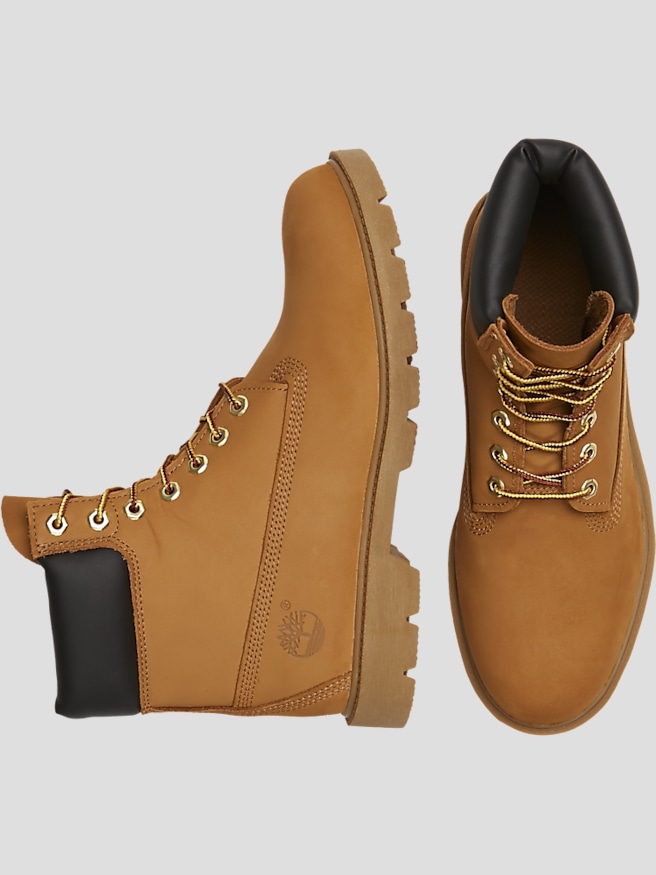
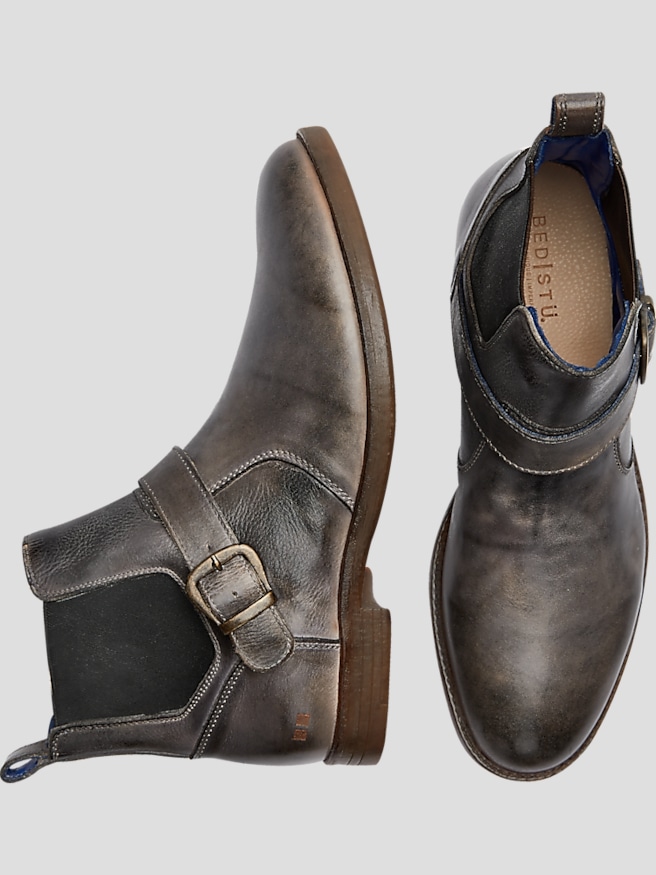
Cool weather boots bring practical comfort to the days when sidewalks are damp, trails are frosted, and a brisk breeze finds its way through lighter footwear. They can be a dependable choice for commuting, weekend errands, outdoor gatherings, travel, or simply walking the dog when the ground is cold and wet. The right pair should match both the conditions and the way you plan to wear it. For everyday use in mild cold, a lightly insulated boot with a weather-resistant upper may provide enough warmth without feeling bulky. If you spend long stretches outdoors, stand at a game or event, shovel snow, or explore wooded paths, look for more substantial insulation and a protective construction. Insulation is often measured in grams: around 200g can suit moderate cold and active wear, while 400g or more is better suited to freezing temperatures and slower-paced time outside. Heavier insulation is not automatically better for every situation, since feet can become warm and damp during vigorous activity. A breathable lining, moisture-managing interior, and room for comfortable socks can make a noticeable difference. Waterproofing is equally important. Rubber lower shells, waterproof membranes, treated leather, and seam-sealed construction help keep melting snow, puddles, and slush from reaching your socks. Water-resistant materials may be enough for light exposure, while fully waterproof boots are a smarter choice for repeated wet conditions. Consider the height as well: a low or mid boot offers flexibility for daily wear, while a taller shaft gives additional coverage when snow, mud, or wet grass is likely. For more polished cold-weather outfits, explore Stylish Winter Boots that bring a cleaner profile to seasonal dressing without giving up useful protection.
Traction deserves as much attention as warmth. A thick rubber outsole with deep lugs can help grip loose soil, wet pavement, and packed snow, while specialized cold-weather compounds are designed to remain flexible when temperatures drop. No tread can eliminate every hazard, especially on smooth black ice, but a well-built outsole and a steady pace offer valuable confidence. Look for a heel and forefoot pattern that feels stable rather than overly soft, particularly if you will be walking over uneven ground or carrying a work bag. Fit is another essential consideration. Try boots with the type of socks you expect to wear, and leave enough space to move your toes without letting your heel lift excessively. A snug fit around the heel and ankle can reduce rubbing, while adjustable laces, speed hooks, or side gussets make it easier to secure the boot over thicker socks or tucked-in layers. Keep in mind that many insulated boots feel different from a standard leather dress shoe, so your usual size may not provide the same comfort in every silhouette. A short walk indoors can reveal pressure across the instep, crowding at the toes, or a heel that slips with each step. Materials also influence the overall experience. Leather can develop a handsome character with regular care, while synthetic textiles may offer lighter weight and quick-drying performance. Rubber is especially useful around wet ground, and reinforced toe and heel areas can help a pair hold up through frequent wear. For active days, prioritize flexibility and a secure fit; for standing outdoors in deep cold, prioritize insulation, weather protection, and a supportive footbed.
Cool weather boots can make a thoughtful gift for someone who walks to work, spends weekends outdoors, travels to colder destinations, or appreciates clothing that combines function with a well-kept appearance. They are especially useful for a new homeowner preparing for snow removal, a student navigating a wet campus, a parent handling cold-weather activities, or anyone whose routine includes early-morning commutes. When choosing a pair for someone else, consider their usual environment, preferred style, and the amount of time they spend moving versus standing still. A streamlined boot in a neutral shade can transition from denim and a casual jacket to chinos and a textured sweater, making it a versatile choice for daily wardrobes. More rugged designs pair naturally with flannel, field jackets, heavy overshirts, and durable trousers, while a refined leather finish can complement tailored layers without appearing too formal for the season. Care extends the life of any pair: brush away dirt after use, allow damp boots to dry naturally away from direct heat, and follow the material-specific instructions for conditioning or waterproofing. Stuffing the shafts with paper or using boot trees can help maintain shape, and rotating between pairs gives linings time to air out. With the right balance of warmth, water protection, traction, fit, and personal style, cool weather boots become reliable companions for changing conditions—from the first chilly morning through the colder stretch of the season.