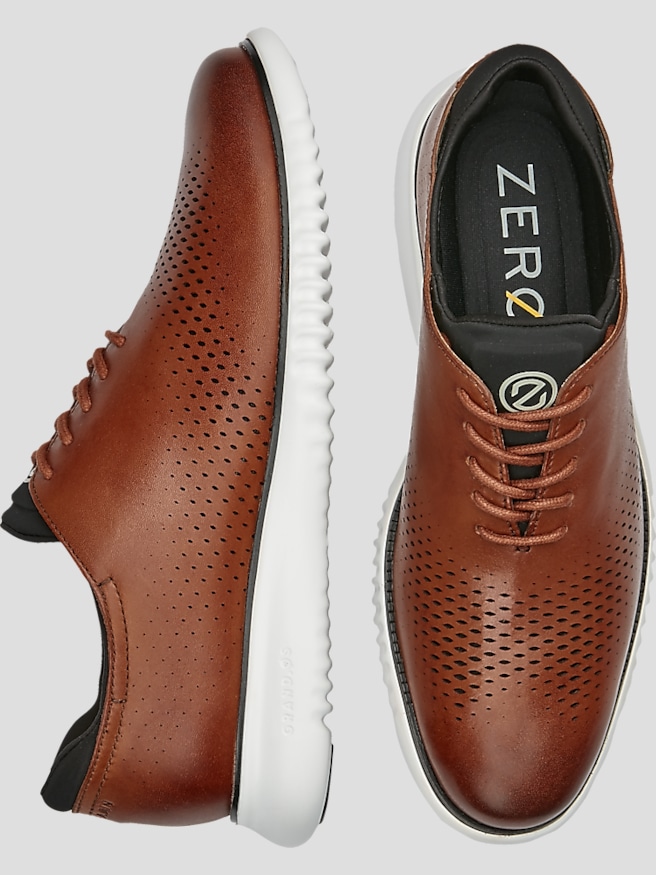
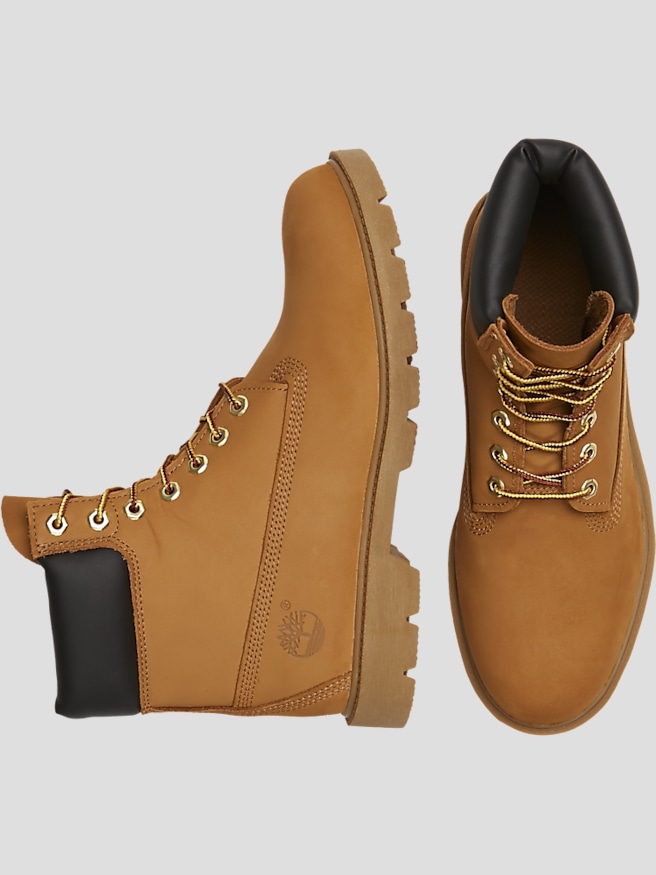
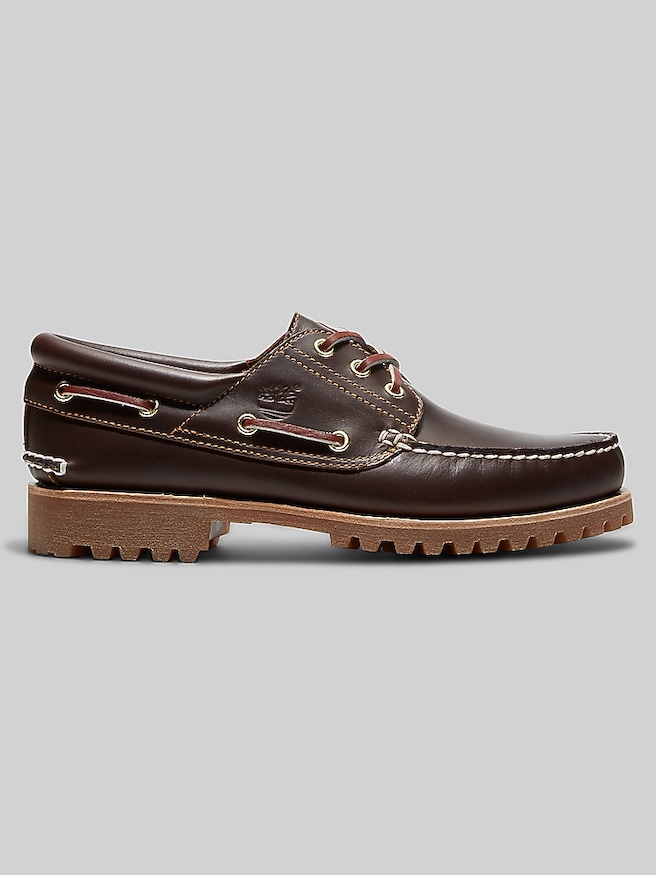
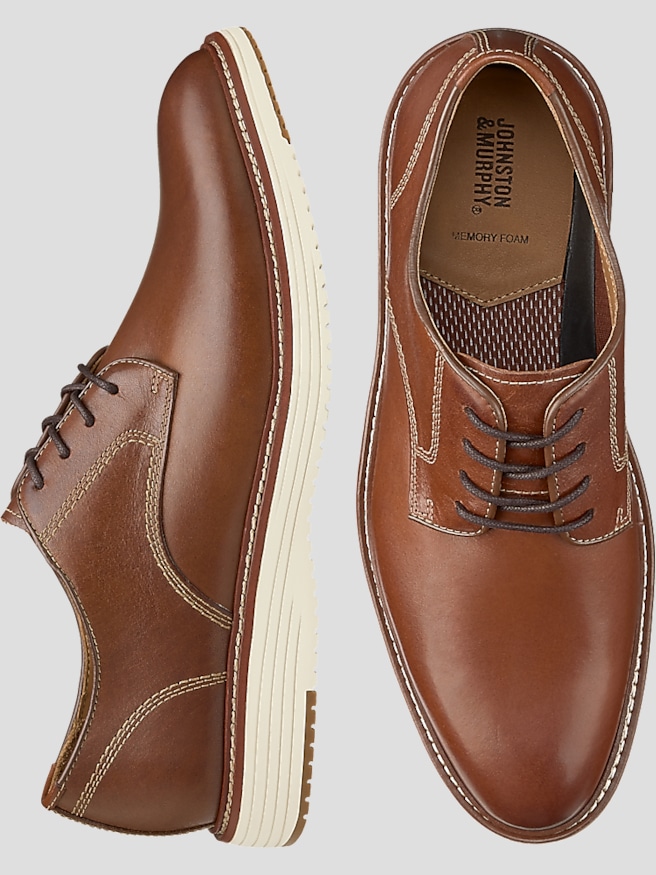
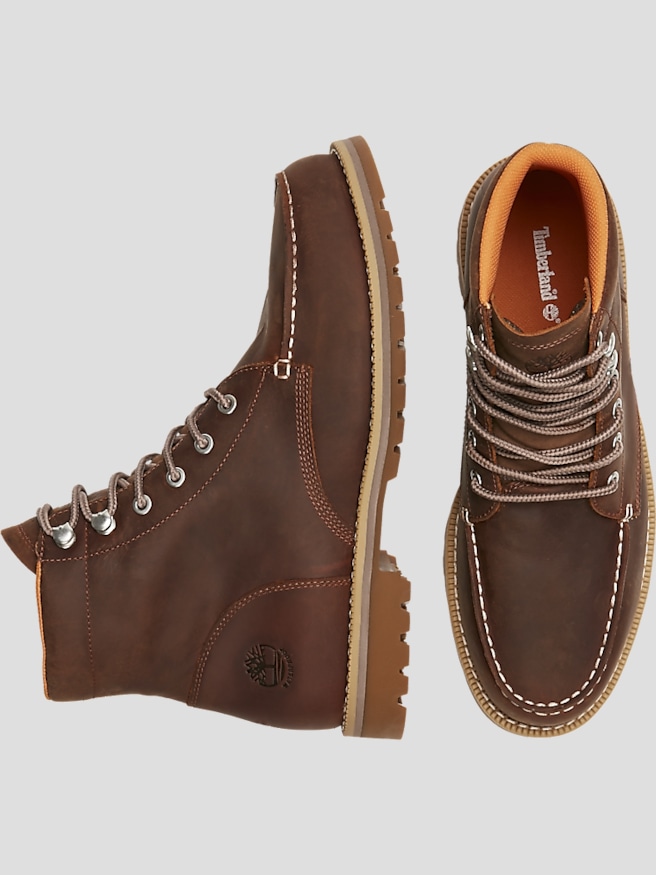
Cold weather shoes are footwear designed or chosen for comfort, protection, and dependable footing when temperatures drop. Depending on their construction, they may combine insulating linings, moisture-resistant uppers, cushioned footbeds, and rubber outsoles suited to cool, wet conditions. The right balance depends on where the day leads: a short walk from the parking lot to an office calls for something lighter than a long stretch outdoors on slushy sidewalks. For everyday wear, cold weather footwear brings practical details to familiar shapes, including lace-up shoes, ankle boots, and slip-on styles that work with seasonal clothing. Smooth leather has a polished appearance alongside wool trousers and tailored outerwear, while textured leather and suede add depth to denim, corduroy, and casual layers. Leather can offer durability and some protection from the elements when properly cared for, but leather alone does not make a shoe waterproof. Suede also needs thoughtful treatment and is generally better suited to dry conditions unless the construction is specifically intended for wet weather. Water-resistant footwear can help with light moisture; waterproof footwear uses materials and construction designed to resist water penetration more fully, though water can still enter over the collar. That distinction matters when a damp morning turns into an afternoon of puddles and melting snow. A higher shaft provides additional coverage around the ankle, while a lower profile can feel less bulky under slim or straight-leg pants. Insulation helps retain warmth, but a heavily insulated boot may feel excessive for someone who spends most of the day in heated rooms. For commutes, dinners out, and errands during the cooler months, footwear that balances coverage with breathability can be more comfortable than simply choosing the thickest lining. Cold weather shoes are most useful when their intended conditions match the routine, whether that means crisp, dry pavement or repeated trips through rain and shallow slush.
Comfort starts with fit, especially when thicker socks become part of the daily rotation. A well-fitting cold weather shoe should hold the heel securely without pinching the forefoot, and the toes should have room to move rather than press against the front. Extra insulation and substantial socks take up space inside a shoe, so fit is best assessed with the kind of socks that will actually be worn. Automatically sizing up can leave too much movement at the heel; a suitable width and shape often matter just as much as length. Wool-blend or moisture-managing socks can help feet stay comfortable as activity levels change, while a breathable lining helps limit the clammy feeling that can follow a brisk walk into a warm building. Underfoot, cushioning softens contact with hard sidewalks, and a stable platform helps a shoe feel composed during long periods of standing. Removable footbeds can be useful for airing out footwear or accommodating an appropriate insert, provided enough room remains for a comfortable fit. Outsoles deserve equal attention. Rubber compounds, tread patterns, and flexibility influence how footwear behaves on cold or wet surfaces, but a rugged appearance does not guarantee reliable grip. Deep grooves can help manage loose material underfoot, while shallower profiles may feel more natural indoors and look cleaner with tailored clothing. No everyday shoe can guarantee secure footing on ice, and conditions involving packed snow, slick slopes, or extended outdoor exposure may call for specialized footwear or traction equipment. For a day that includes a train platform, several blocks of walking, and hours at a desk, moderate weight and easy flex can matter as much as warmth. The related Comfortable Winter Shoes page offers another way to explore footwear with everyday comfort in mind. The goal is a secure, unforced feel from the first steps of the morning through the trip home, without relying on a lengthy break-in period to correct pressure points.
Durability comes from both construction and care, particularly when footwear faces moisture, grit, and repeated changes in temperature. Sturdy uppers, secure stitching, and a well-attached outsole are useful details to consider, though visible stitching alone does not establish waterproof protection or overall quality. Reinforcement around high-wear areas can help shoes withstand daily use, and closures should feel secure without requiring excessive tightening. Laces offer adjustment across the instep, while slip-on construction favors convenience for quick departures and frequent changes at the door. Each has a place in a cold weather wardrobe, depending on fit and the amount of coverage needed. After a wet commute, removing surface dirt and letting shoes dry naturally helps protect their shape and materials. Direct heat from a radiator or heater can damage leather, adhesives, and other components, so room-temperature drying is the better approach. Footbeds that can be removed should be allowed to air separately, following the care instructions. Leather may benefit from a compatible conditioner, while suede generally calls for a suitable brush and products formulated for its texture. Any protective treatment should match the material and manufacturer’s directions; a spray cannot turn an otherwise unsuitable shoe into a fully waterproof one. Salt residue is worth addressing promptly with an appropriate cleaner rather than allowing pale marks to settle into the surface. Rotating footwear when possible also gives linings time to dry between wears. Beyond practicality, cold weather shoes help ground a seasonal outfit. A streamlined silhouette sits neatly beneath tailored trousers, while a more substantial sole can balance heavier denim and a textured sweater. Dark brown and black are versatile choices, with the finish and shape often making a bigger visual difference than color alone. Footwear can also be a thoughtful gift for someone starting an office job, walking regularly to public transportation, or spending more time in a cooler climate. Knowing the recipient’s size, preferred fit, and usual activities makes the choice more personal—and more likely to become part of an everyday routine.