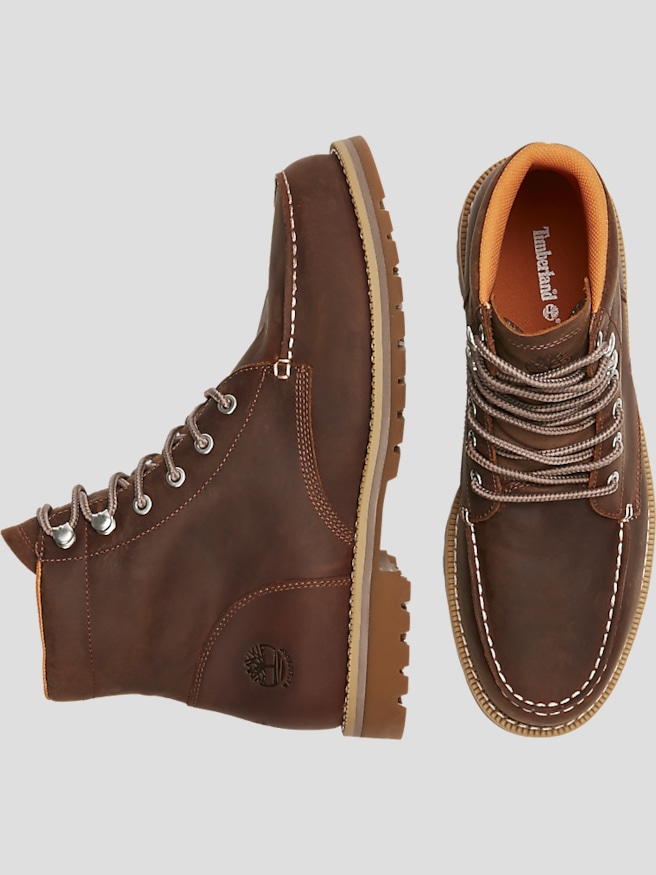
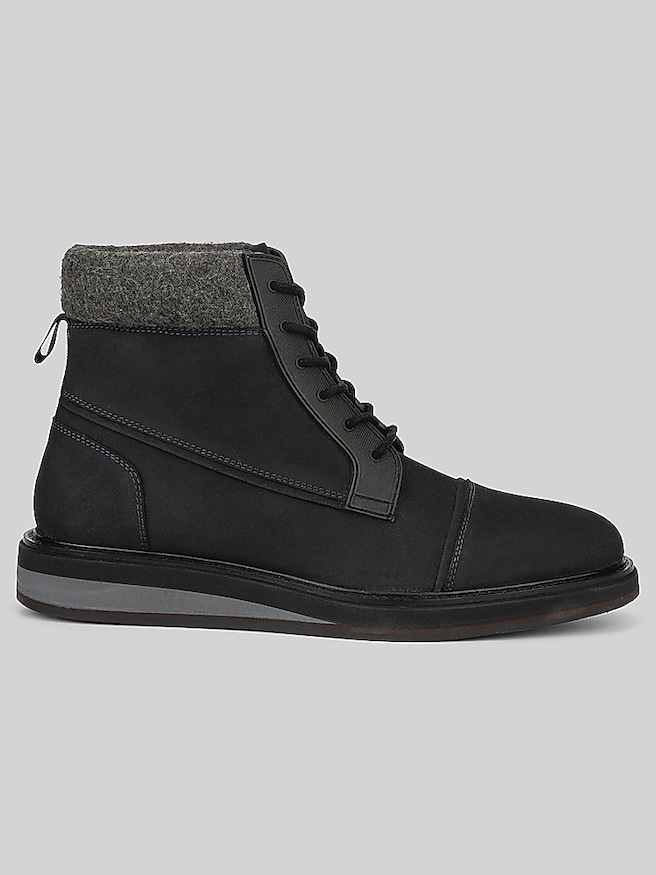
Comfortable winter shoes balance warmth, cushioning, and dependable footing with the practical demands of getting dressed each day. A walk from the train station to the office calls for something different from a long afternoon outside, and dry cold places different demands on footwear than slush or steady rain. For everyday wear, comfort starts with a shape that gives the toes room to move, a heel that stays comfortably in place, and a sole that cushions each step without feeling unstable. Insulation can help retain warmth, while a breathable lining helps manage moisture when the day moves between sidewalks and heated buildings. More insulation is not automatically more comfortable: heavily insulated footwear can feel too warm at a desk, especially when paired with thick socks. Protection from moisture matters just as much. Water-resistant uppers can handle limited exposure to damp conditions, but they should not be confused with waterproof construction designed to help keep water out through the upper and seams. The shoe’s opening also affects protection; even a waterproof design can admit moisture over the collar. Low-profile silhouettes suit shorter walks and indoor-heavy schedules, while ankle-height designs offer additional coverage around the foot and pair naturally with longer pants. Underfoot, tread depth, pattern, and rubber formulation all influence grip. Defined channels can help move water and loose material away from the contact surface, though no everyday outsole makes ice risk-free. Smooth dress soles generally provide less traction on slippery pavement than treaded designs, making the walking route an important part of the decision. Deep snow, prolonged exposure, and untreated ice may require purpose-built footwear beyond an everyday winter shoe. The most useful balance is specific to the routine: enough weather protection for the trip, enough flexibility for walking, and a shape that feels appropriate once the coat comes off. That balance matters on an early commute, a weekend errand run, or an evening that includes several blocks on foot.
Materials and construction shape how winter footwear feels both immediately and after repeated wear. Leather offers a structured appearance that works well with tailored clothing, and properly maintained leather can develop character over time. Its ability to resist moisture depends on the leather, finish, treatment, and overall shoe construction rather than appearance alone. Suede and nubuck provide a softer, more textured look, but they need compatible protection and cleaning methods to preserve their surface. Synthetic uppers and textile panels can offer lighter weight or greater flexibility, with weather resistance varying by design. Inside the shoe, smooth linings and well-finished seams help limit rubbing, particularly around the heel and ankle. Cushioning under the heel and forefoot can soften the feel of hard sidewalks, while a stable midsole helps keep that cushioning from feeling overly soft or wobbly. A removable footbed can make airing easier and may accommodate a compatible insert, provided enough room remains for the foot. Fit deserves particular attention because winter socks change the space available inside a shoe. The right fit leaves room to spread the toes without allowing the foot to slide forward on each step. A thicker sock should not make the forefoot feel squeezed or press the toes against the upper; compression can reduce both comfort and the loft that helps an insulating sock retain warmth. Wool-blend or moisture-managing synthetic socks can help manage perspiration, although personal preferences and indoor temperatures also matter. Lace-up construction allows adjustment across the instep, while slip-on designs depend more closely on the match between the shoe’s shape and the foot. A secure fit should not require overtightening. Footwear should feel comfortable with the socks intended for regular wear, including when walking, turning, and climbing stairs. Leather may soften with use, but a break-in period should not be expected to fix pinched toes, persistent pressure, or a heel that repeatedly slips.
Everyday styling and long-term care help comfortable winter shoes earn their place in a wardrobe. Clean-lined leather footwear can sit comfortably beneath wool trousers or chinos, while more textured uppers and substantial soles complement denim and relaxed layers. A slightly sturdier profile can look balanced with heavier fabrics without requiring an outdoors-focused outfit. Pants should fall neatly around the shoe rather than drag through wet pavement, and ankle coverage becomes especially useful when seated or stepping over a slushy curb. A wardrobe built around Cold Weather Shoes can accommodate both polished occasions and casual routines, with the level of protection matched to the time spent outside. Durability depends partly on construction, but daily habits matter too. Grit and deicing residue can affect uppers and finishes, so prompt cleaning according to the material’s care instructions helps prevent buildup. Suitable leather may be wiped with a lightly damp cloth, while suede generally needs a dedicated brush and products made for its finish. Any cleaner, conditioner, or protective treatment should be compatible with the material and tested discreetly before broader use. Wet footwear benefits from drying at room temperature with good airflow, away from radiators, hair dryers, and other direct heat that can damage materials or adhesives. Removable insoles can be taken out to dry separately when the care instructions allow, and loosely packed plain paper can help absorb moisture inside. Giving shoes time to dry between wears also helps manage lingering dampness. Periodic attention to worn tread, loose stitching, and uneven heel wear can reveal when comfort or footing has changed. As a gift, winter footwear is most successful when the recipient’s usual size, preferred width, sock habits, and daily routine are known. Someone who walks several blocks to work may value adjustable support and weather protection, while someone moving mostly between a car and indoor spaces may prefer lighter construction. The lasting appeal comes from comfort that fits the wearer’s actual day.