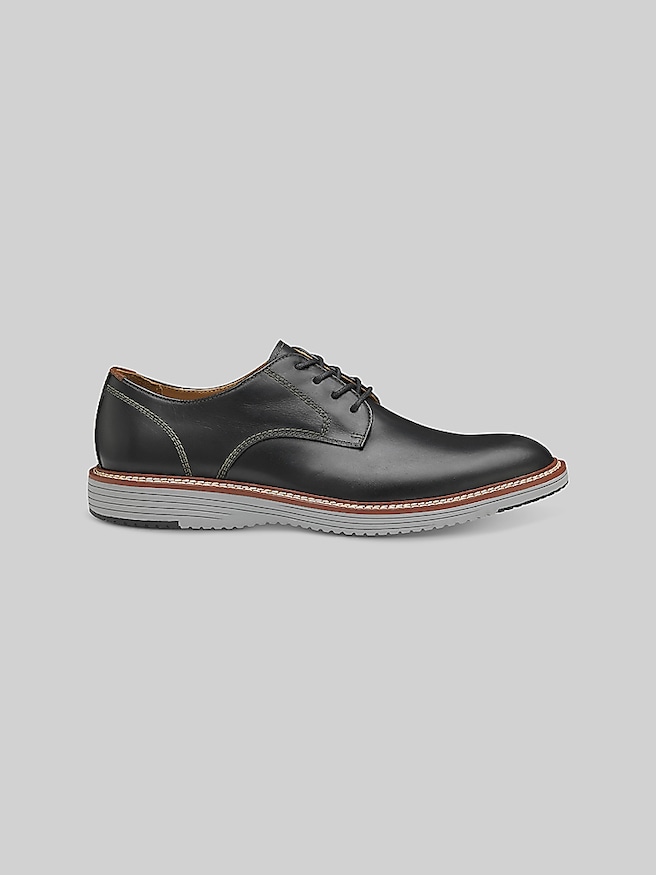
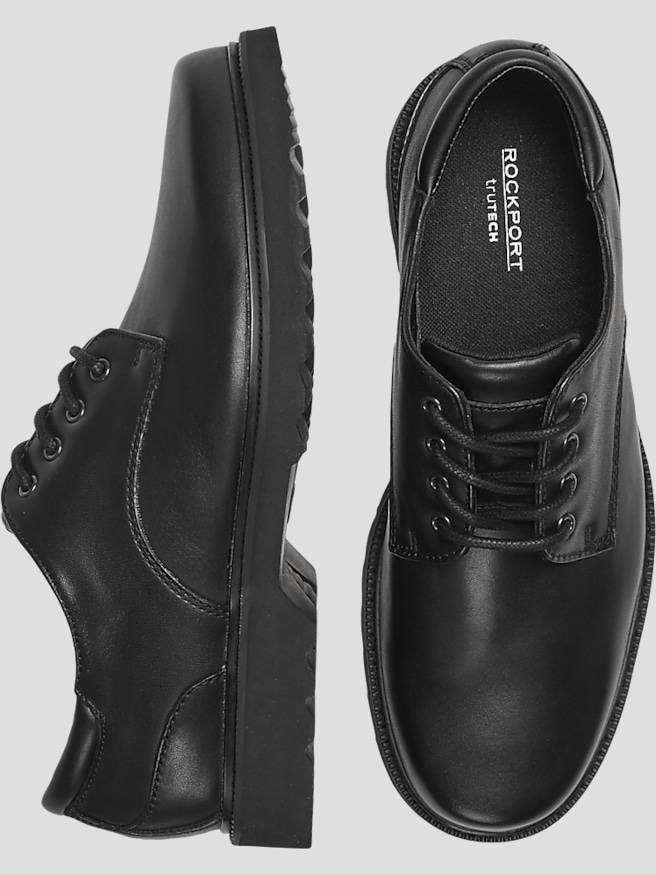
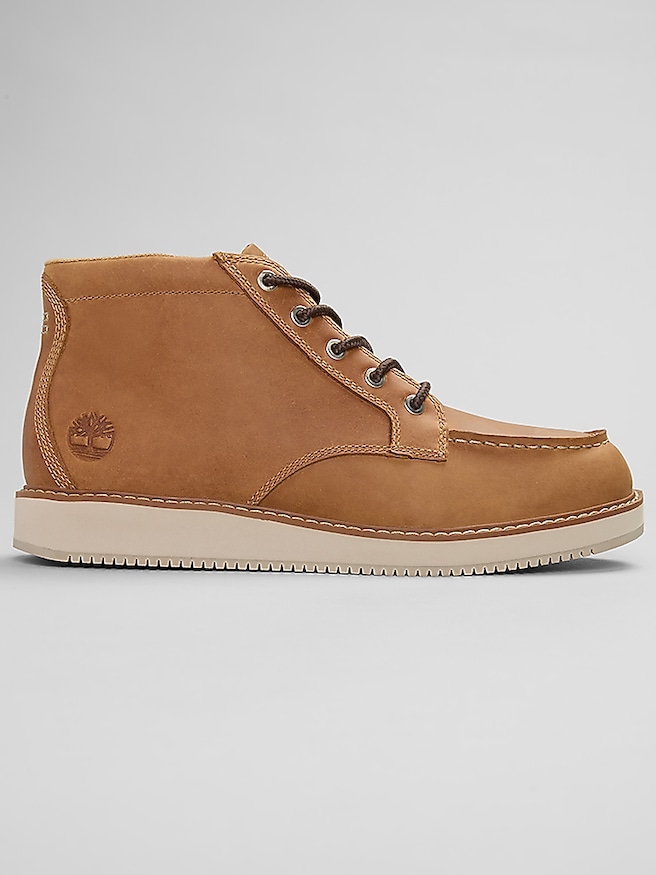
Winter black shoes bring together the practical protection needed for colder weather and the understated versatility of a dark, easy-to-style finish. This category can include insulated slip-on mocs for quick errands, waterproof sneakers for commuting and everyday city wear, weather-resistant high-top shoes for added ankle coverage, and rugged snow boots built for deeper drifts and demanding conditions. Black uppers pair naturally with denim, cords, chinos, workwear, and casual winter layers, making them a dependable choice when footwear needs to move between sidewalks, parking lots, storefronts, and informal gatherings without looking out of place. As the weather turns cooler, consider how and where the shoes will be worn before choosing a style. Someone walking a few blocks to work may appreciate a low-profile shoe with a waterproof exterior, warm lining, cushioned footbed, and grippy rubber outsole, while a person who regularly travels through slush or packed snow may need a taller shaft, sealed seams, a protective rubber lower, and more substantial traction. For mild, damp days, waterproof sneakers and insulated slip-ons offer a comfortable balance of protection and flexibility. They are often easy to pull on for a morning dog walk, school drop-off, coffee run, or weekend drive, and their relatively streamlined profiles make them simple to wear with everyday outfits. For colder routes and more exposed conditions, snow-ready boots with deeper tread and stronger insulation can help provide confidence on slick pavement and uneven ground. A black colorway also helps conceal the marks that come with wet sidewalks and winter travel, though regular cleaning and proper drying remain important for keeping the finish looking sharp.
Fit and construction make a noticeable difference in comfort during the cooler months. Winter shoes should leave enough room for the toes to move naturally and for a warm pair of socks without creating pressure across the top of the foot. At the same time, too much extra space can allow the heel to lift and make walking less stable, especially on icy or uneven surfaces. Try footwear with the socks you expect to wear most often, and pay attention to heel hold, arch comfort, ankle support, and the ease of bending the forefoot. Insulation can make a shoe feel warmer, but waterproofing, wind resistance, and the outsole are just as important when conditions change throughout the day. Look for descriptions that distinguish water-resistant materials from fully waterproof construction, particularly if regular exposure to rain, slush, or melting snow is expected. A lugged rubber sole can provide useful grip, while a flexible tread may feel more natural for city walking and driving. Some wearers prefer a low-cut slip-on for convenience, while others value laces, hooks, or adjustable closures that create a more secure fit around the foot and ankle. Weight is another practical consideration: heavy-duty winter boots can be reassuring in deep snow, but a lighter shoe may be more comfortable for long commutes or indoor-to-outdoor routines. When comparing options, think about storage and care as well. Let wet footwear dry at room temperature away from direct heat, remove loose dirt after outdoor use, and follow the material-specific cleaning instructions to help preserve the shape and finish. For additional everyday styling options that coordinate easily with cold-weather wardrobes, explore Solid Black Shoes.
Winter black shoes can also be a thoughtful gift for a man who spends a great deal of time outdoors, commutes on foot, travels for work, or simply prefers practical clothing that earns its place in the closet. They are especially useful for a new homeowner facing snowy walkways, a college student navigating a large campus, a parent managing morning routines, or an active traveler who needs reliable footwear for changing conditions. A gift recipient who dresses casually may enjoy the familiar look of a black sneaker with weather-ready features, while someone working outdoors or living in a colder region may benefit more from an insulated boot with a higher profile and serious traction. For office commuters, a clean black silhouette can work with dark jeans, wool trousers, or layered smart-casual outfits once the day’s outdoor portion is over. Those who spend weekends hiking, walking trails, or attending outdoor games may favor reinforced construction, cushioned support, and a sole designed for uneven ground. Consider the recipient’s usual climate, daily distance, preferred closure, and tolerance for bulk when selecting a pair, along with sizing and return options when the shoes are intended as a surprise. No single design suits every winter routine, which is why this selection includes choices for mild wet weather, urban movement, light snow, and more demanding cold-weather use. The best pair will feel natural in the wearer’s day: warm enough for a frosty walk, stable on damp ground, comfortable through hours of movement, and polished enough to complement the rest of a dependable seasonal wardrobe.