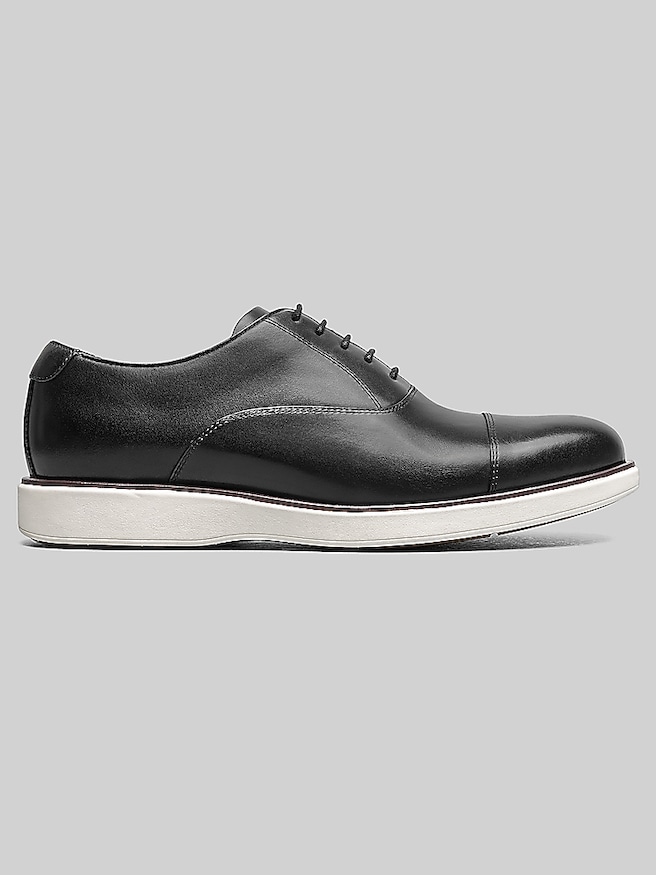
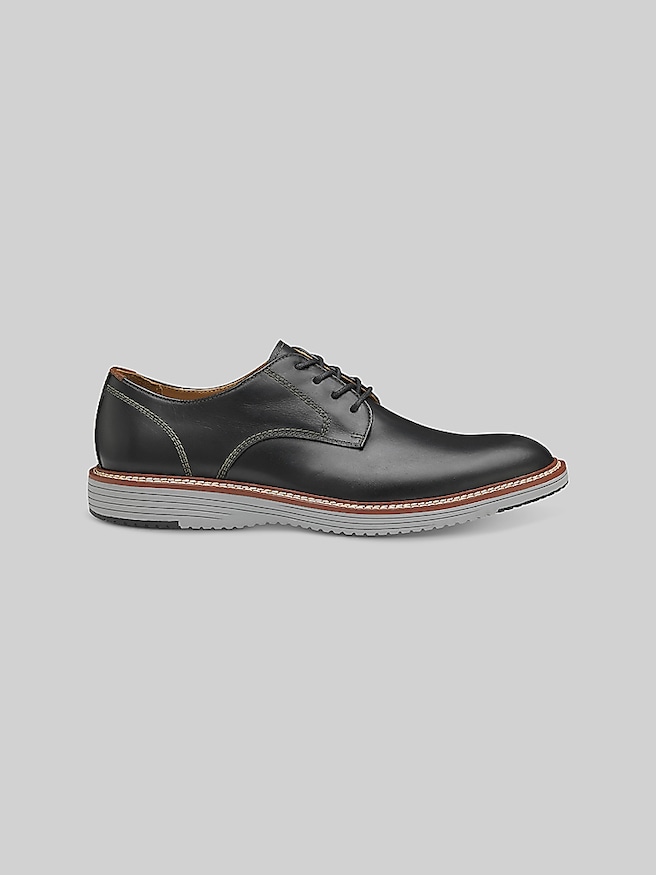
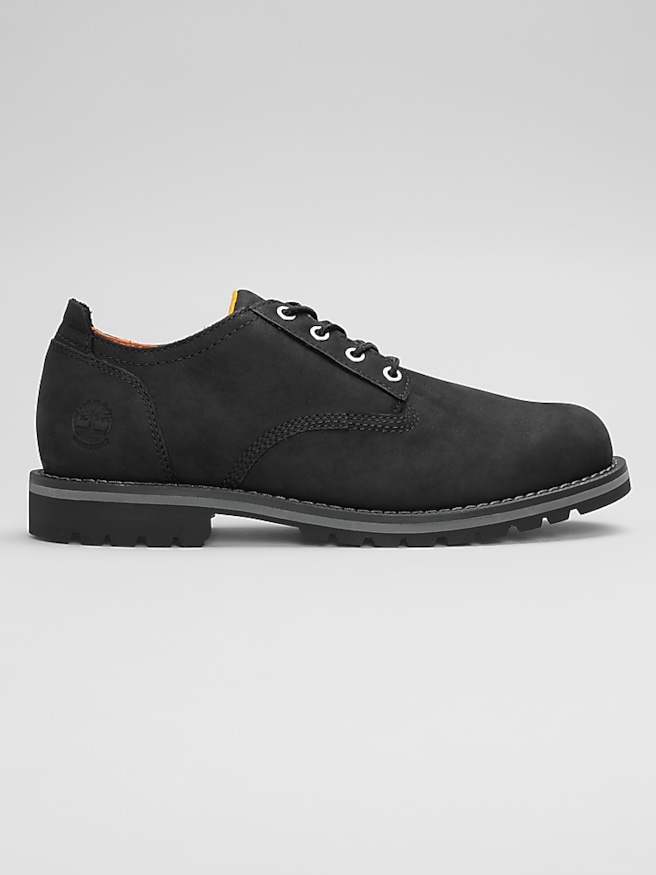
Black and white shoes combine two neutral colors in a design that can feel understated, sporty, or distinctly dressed up, depending on the shape and placement of the contrast. Common interpretations include sneakers with dark uppers and white soles, paneled casual shoes, and two-tone dress styles with contrasting sections across the toe, saddle, or sides. A mostly black shoe with a narrow white accent creates a quieter effect than a bright white upper framed by black overlays. That distinction matters when putting together an outfit: a small amount of contrast can complement patterned clothing, while a bold two-tone design often looks strongest beside solid colors and clean lines. Black and white also work with more than monochromatic outfits. Navy trousers, charcoal denim, olive chinos, and tan pants each give the pairing a slightly different character without requiring an exact color match. For everyday combinations, the Black And White Sneakers collection reflects the relaxed side of this palette. Low-profile silhouettes can sit neatly beneath tapered pants, while fuller shapes balance straight-leg denim or relaxed trousers. Two-tone leather dress shoes bring a more traditional character, recalling the contrast of classic saddle and spectator styles without making every outfit look vintage. At an office with a relaxed dress code, a restrained sneaker design can complement chinos and a knit polo; at dinner, a polished two-tone shoe can add interest to dark trousers and a crisp shirt. Wedding guests should take their cue from the invitation and setting rather than color alone, since black and white footwear is not automatically formal. For black-tie occasions, conventional formal footwear is generally the safer choice. The overall effect depends on the entire shoe, including its sole thickness, toe shape, finish, and detailing. Keeping the hem clear of the upper lets those details remain visible, and choosing socks that relate to the trousers helps the contrast look intentional rather than disconnected.
Materials and construction influence how black and white shoes feel, how they age, and which settings suit them best. Smooth leather can give the contrasting panels a crisp appearance and often develops softer creases with use, while suede has a matte texture that makes the same colors look less sharp. Canvas and other textiles tend to create a more casual impression, and synthetic uppers vary considerably in flexibility, breathability, and cleaning requirements. A leather upper does not necessarily mean the entire shoe is leather, so lining and footbed materials are worth considering separately. For someone spending much of the day on foot, cushioning, interior seams, heel stability, and outsole design can matter more than a striking color pattern. A padded collar may reduce rubbing around the ankle, but a comfortable fit still requires the heel to stay secure without excessive pressure. The forefoot should have room to spread naturally, with enough space ahead of the toes that they do not press into the front during a normal stride. Shoes that pinch across the widest part of the foot are unlikely to become comfortable simply because the upper softens. Trying footwear with the socks intended for everyday wear gives a more realistic sense of fit, particularly when comparing a sleek dress silhouette with a roomier casual one. Both feet deserve attention, since small size differences are common, and walking a few steps can reveal heel movement or pressure that is easy to miss while seated. Sole flexibility should also match the purpose: everyday sneakers generally benefit from comfortable movement, while structured dress shoes may feel firmer underfoot. A sporty appearance alone does not establish that a shoe is suitable for running, court sports, or training. Those activities call for footwear designed for their particular demands. For everyday durability, secure stitching, neatly bonded edges, and an outsole appropriate to the surfaces underfoot are useful details to assess. Light-colored soles make scuffs more noticeable, but visible marks do not necessarily mean the shoe has lost its structural integrity.
Caring for black and white shoes means treating each material appropriately and keeping the boundary between the colors clean. Loose dust and grit are easiest to address before they settle into textured panels or stitching. On smooth leather, a soft cloth and a cleaner recommended for that finish can help lift surface dirt without aggressive scrubbing. Suede generally needs a suitable brush and suede-specific care rather than the same routine used for polished leather. Textile uppers should be cleaned according to their care instructions; machine washing is not a safe assumption, even when a shoe looks like a simple canvas sneaker. Any cleaning product is best tested on a small, inconspicuous area first, especially where black dye sits beside white material. Dark polish should stay on the intended leather panel, since a slip across pale stitching or trim can leave a difficult mark. A separate cloth or applicator for each color helps prevent accidental transfer. Removable laces can be cleaned separately when the care directions allow, and brushing dirt from the outsole edge can make the whole shoe look sharper without repeatedly treating the upper. After cleaning, footwear should air-dry away from direct heat, which can affect adhesives and dry out some materials. Suitable shoe trees can help leather styles retain their shape between wears, while alternating pairs gives interiors time to dry and reduces continuous wear on the same seams and flex points. These practical habits are especially worthwhile for someone who wears the same black and white palette to work, social plans, and weekend outings. The color combination can also make a thoughtful gift for a graduate, a partner, or someone refining an everyday wardrobe, provided the choice reflects how that person actually dresses. A minimalist design is often easier to integrate than a dramatic contrast pattern, but fit remains more personal than color. Knowing the recipient’s usual size, preferred width, and favored silhouette makes the choice more considered. Whether the appeal is a clean white sole beneath dark denim or crisp two-tone leather beneath tailored trousers, the strongest choice balances visual contrast with comfortable proportions, appropriate construction, and a care routine that suits regular use.