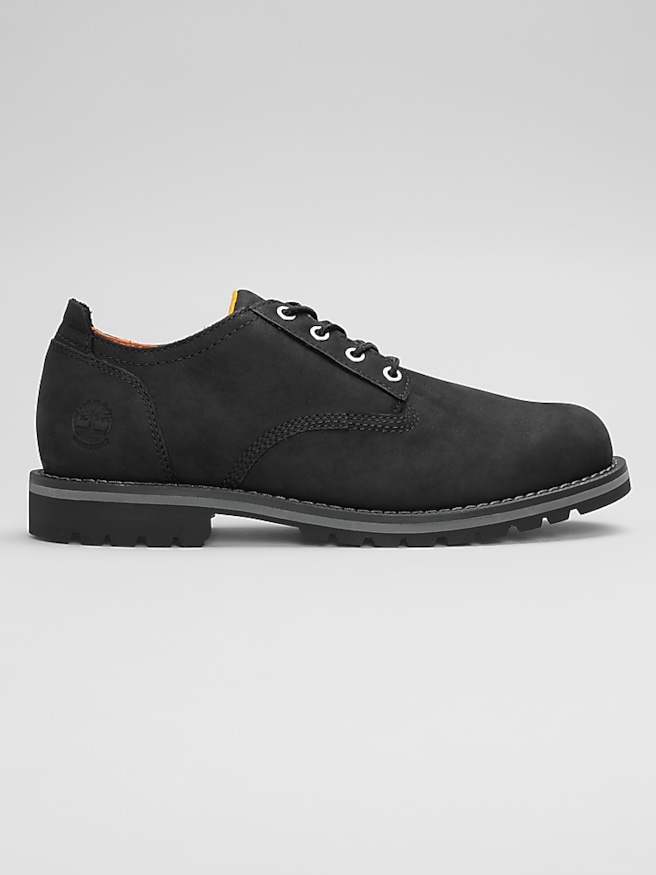
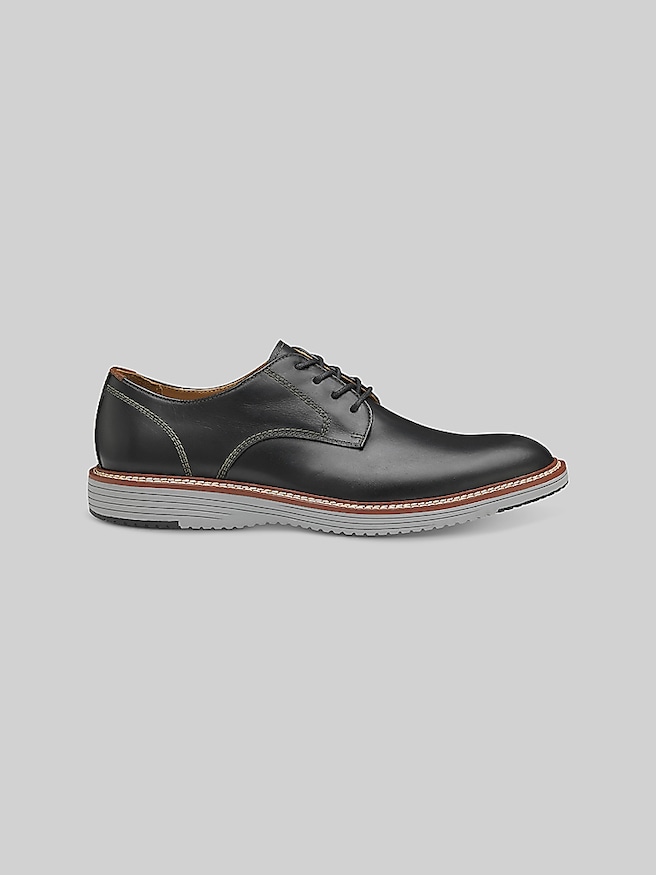
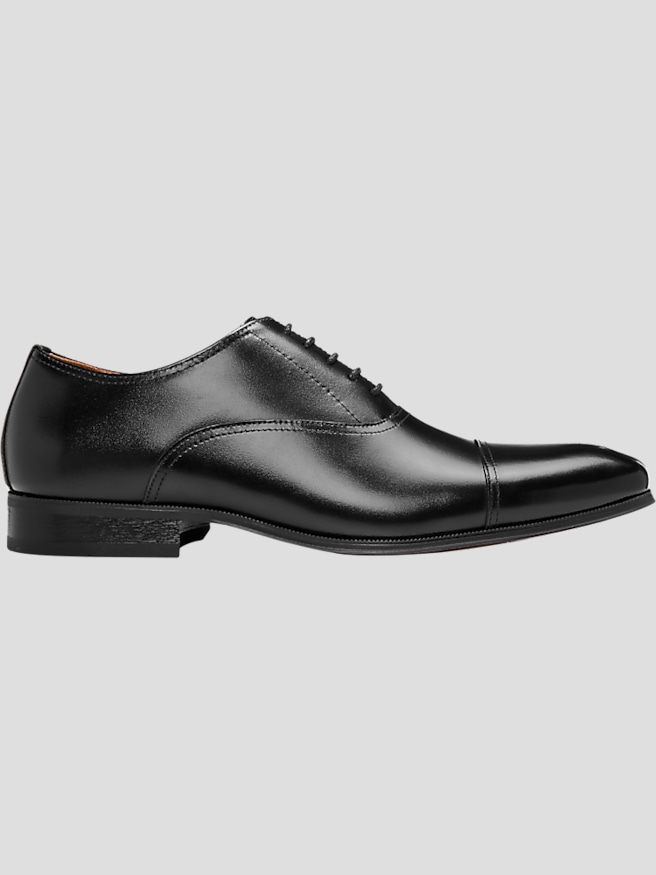
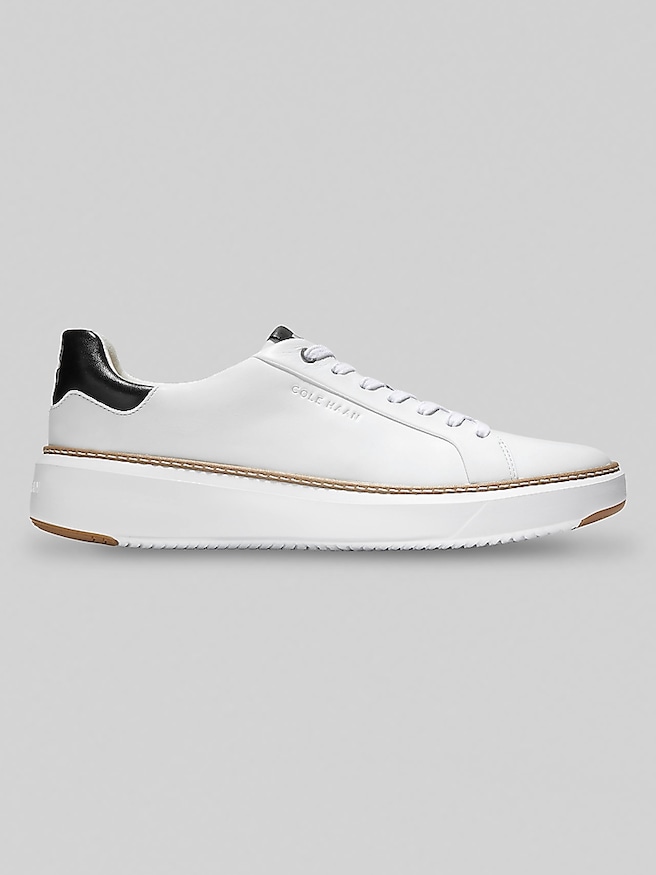
Black waterproof shoes combine a versatile dark finish with construction designed to keep water from reaching the foot under the conditions specified for the footwear. They suit everyday situations where a polished appearance still matters: walking from a parking garage to the office, crossing a rain-soaked sidewalk before dinner, or spending a day moving between buildings. The most relevant differences come down to waterproof construction, outsole traction, fit, and how dressy the silhouette needs to be. A waterproof membrane, sealed seams, or another tested barrier can provide protection beyond a surface treatment alone; the exact construction matters more than the color or appearance of the upper. Water-resistant shoes generally handle limited exposure, while waterproof footwear is designed to prevent penetration within its stated limits. Neither description means water cannot enter through the opening around the ankle, and protection can vary with water depth, exposure time, and wear. Within that practical framework, black offers considerable styling range. Smooth leather and restrained stitching work naturally with tailored trousers, while textured finishes and more relaxed shapes complement chinos and dark denim. A slim profile tends to feel dressier, whereas a substantial sole creates a more casual impression and may provide additional separation from wet pavement. An understated lace-up can bridge a workday and an evening reservation without looking like specialized outdoor gear. For a broader look at this versatile color, Solid Black Shoes offers a related style direction, though color alone does not indicate waterproof performance. Black waterproof shoes are especially useful when the day calls for both presentable footwear and protection from rain or shallow puddles. They are not automatically substitutes for work boots, deep-water footwear, or shoes intended for snow and ice. Matching the construction to the actual setting keeps the choice grounded in everyday needs rather than appearance alone. A short walk to a meeting, a lengthy transit commute, and hours spent outdoors place distinctly different demands on the same basic shoe category.
Materials and fit determine much of how waterproof footwear feels after the first few minutes. Leather can provide structure, develop a softer feel with wear, and maintain a refined appearance, but ordinary leather is not inherently waterproof. Its protection depends on the shoe’s full construction, including seams, lining, and any barrier beneath the upper. Synthetic uppers and engineered textiles can offer lighter weight or a more flexible feel, although their performance also depends on how the shoe is made. A breathable waterproof membrane may help moisture vapor escape while blocking outside water, but breathability varies, and feet can still feel warm during active use or extended indoor wear. The lining, sock choice, and amount of cushioning all contribute to comfort. A secure heel and enough space across the forefoot help keep a protective shoe from feeling restrictive. Toes need room to move without the foot sliding forward, and the upper should hold the midfoot without pressing sharply across the instep. A waterproof lining adds another layer inside the shoe, so familiar sizing does not always translate into an identical fit across styles. The socks intended for regular wear are an important part of that equation; thick socks can crowd a close-fitting dress shape, while very thin socks may change how firmly the heel sits. For long walks between transit stops and the office, cushioning and a stable platform may matter as much as a sleek upper. For mostly seated work punctuated by short outdoor trips, flexibility and a clean profile may take priority. Outsole design deserves separate attention because waterproofing and slip resistance describe different functions. Tread pattern, rubber composition, surface conditions, and wear all affect grip. A defined tread can be useful on wet pavement, but no outsole guarantees secure footing on every slick surface. A gusseted tongue, where present, can help limit entry around the laces, while a padded collar may improve comfort without creating a watertight seal. These details explain why shoes that look similar can feel quite different over a full day.
Durability depends on the relationship between the upper, sole, seams, and the care they receive. High-flex areas near the ball of the foot and the connection between the upper and outsole experience repeated stress with every step. Consistent stitching, well-finished joins, and an outsole appropriate for the walking surface are useful qualities to consider alongside the waterproof designation. Even a protective shoe benefits from having surface dirt removed before it settles into creases or abrades the finish. For smooth leather, a soft cloth and care products compatible with both the leather and the waterproof construction help preserve appearance without interfering with performance. Suede, nubuck, and textile uppers require their own cleaning methods, and a treatment suitable for one material may discolor or damage another. Manufacturer care directions take precedence, particularly when a membrane or specialized finish is involved. After a wet outing, gentle air drying away from direct heat helps protect the materials and adhesives; radiators, hair dryers, and other concentrated heat sources can cause damage. Removable insoles can dry separately when the care instructions allow, and clean, dry storage helps prevent lingering moisture. Road-salt residue is worth addressing promptly with a material-appropriate method rather than allowing pale marks to build up along the toe and welt. Waterproofing does not necessarily provide insulation, so cold-weather comfort depends on additional features rather than the waterproof label itself. For frequent wear, giving footwear time to dry between outings can improve comfort and help preserve its condition. Black waterproof shoes can also make a thoughtful practical gift for a commuter, a graduate starting an office role, or someone whose routine involves regular walks between appointments. Knowing the recipient’s size, usual width, preferred socks, and dress requirements makes the choice more personal. The strongest match is footwear that supports the wearer’s actual routine: understated enough for familiar outfits, comfortable over the expected distance, and constructed for the water exposure it will realistically encounter.