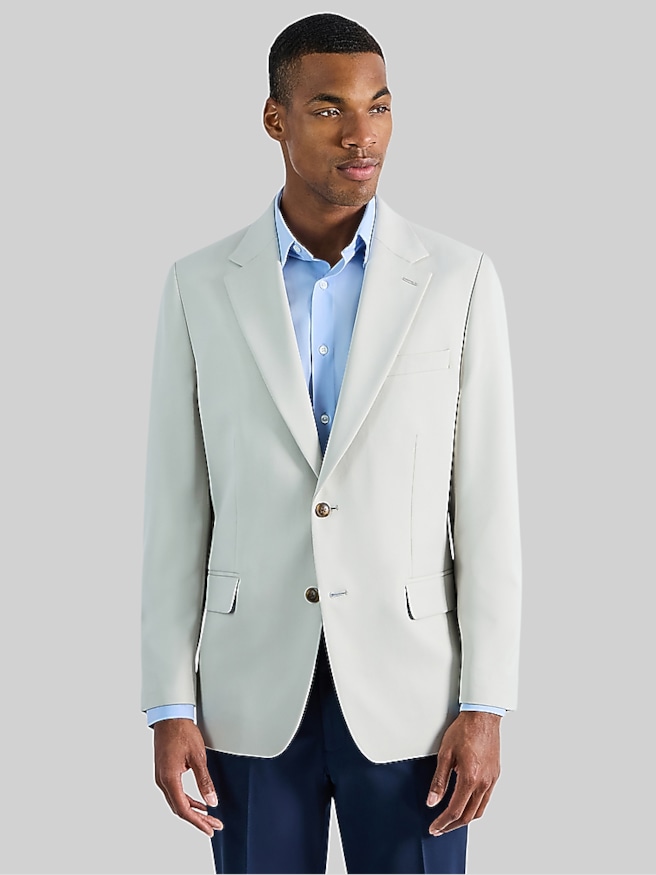
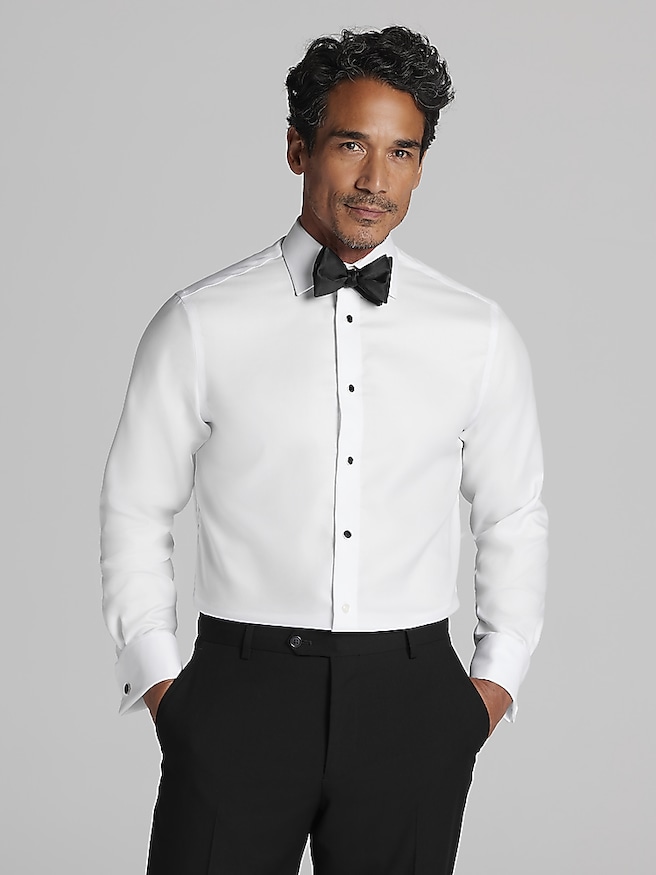
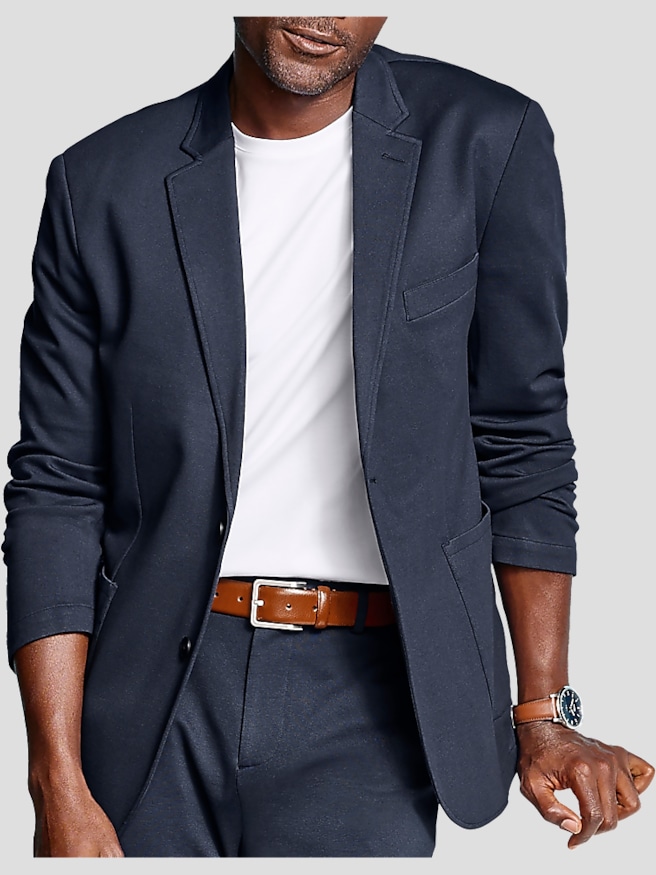
White formal wear brings a distinctive sense of occasion to tailored dressing, from the clean contrast of an ivory dinner jacket and black trousers to the uninterrupted lines of an all-white suit. Its appeal lies in how clearly it shows shape, texture, and finishing: a defined shoulder, a graceful lapel roll, or a neatly pressed trouser crease becomes part of the overall impression. For men dressing for weddings, galas, proms, milestone celebrations, and formal receptions, white offers an expressive alternative to darker tailoring without sacrificing a polished appearance. The invitation still sets the standard. A white or ivory dinner jacket with black formal trousers, a white dress shirt, and a black bow tie is an established combination for many black-tie celebrations, though the venue and host’s expectations determine its suitability. An all-white suit has a more fashion-forward character and works especially well when a coordinated white outfit is part of the requested attire. White formal wear is not the same as white tie, which names a specific, highly formal dress code traditionally built around a black tailcoat rather than a white suit. Within white tailoring, shades range from bright, crisp white to softer ivory and cream. Those subtle distinctions are most noticeable when several pale pieces sit next to one another, so a coordinated look depends on undertones as much as the color name. A bright white shirt can create deliberate definition beneath an ivory jacket, while a matching jacket and trousers create a continuous silhouette. For wedding guests, white tailoring deserves particular attention to the couple’s preferences; for a groom or wedding party, it can establish a clear visual theme in portraits and throughout the celebration. Contrasting elements drawn from Black Formalwear give a white jacket a grounded, traditional finish, especially when the trousers, bow tie, and polished shoes repeat the same dark tone.
Fabric and construction determine whether white formal attire looks crisp and architectural or soft and fluid. Wool and wool-blend tailoring can offer a smooth drape, resilience, and a refined surface that complements formal details. Fabrics with synthetic fibers may add strength or crease resistance, while a small amount of stretch can provide flexibility through a long reception or an evening that includes dancing. Performance varies with the weave, weight, and construction, not just the fiber name. Cotton often has a more matte appearance and can develop visible creasing, making the character of the cloth important when choosing how formal an outfit should feel. Satin accents introduce a subtle sheen at the lapels or trouser seams, while textured weaves add dimension without requiring a pattern. Because pale fabrics can reveal underlying layers, opacity and lining deserve close attention. A well-chosen lining helps the garment hang cleanly and limits show-through at pockets and seams; smooth, unobtrusive underlayers keep the focus on the tailoring. Fit matters just as much. Jacket shoulders should follow the wearer’s natural shoulder line, the collar should rest against the shirt rather than pull away, and the front should close without pronounced tension across the button. A slim silhouette follows the body closely, while a roomier cut allows more space through the chest, seat, and thigh. Neither looks polished if it restricts ordinary movement. Sitting through a ceremony, reaching across a dinner table, and standing for photographs all call for enough ease to move without constant adjustment. Trouser length also changes the effect: a slight break reads more traditional, while a clean, minimal break emphasizes a streamlined shape. With white cloth, pulling, bunching, and uneven hems are particularly noticeable because there is little dark color to soften their outlines. Thoughtful alterations help the jacket, sleeves, and trousers work as a complete silhouette rather than separate pieces competing for attention.
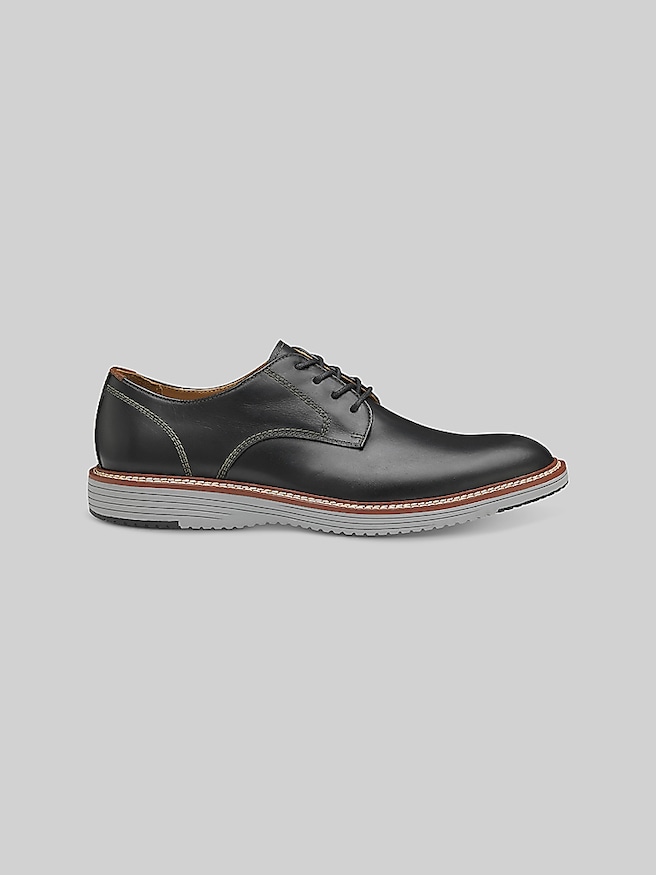
Finishing details give white formal wear its intended character. A structured shirt front and neatly proportioned bow tie support the formality of a dinner jacket, while a restrained necktie may suit a white tailored suit at an event with a less prescriptive dress code. Lapel shape makes a difference, too: a shawl collar creates a smooth, rounded frame, and a peak lapel adds a sharper upward line. Shoes should match the formality of the clothing rather than merely repeat its color. Sleek black formal footwear creates a defined foundation beneath contrasting trousers, while other combinations depend on the invitation and the overall styling. Accessories are most effective when they have a clear role. A pocket square can add texture, cuff links can provide a small point of shine, and a watch with a restrained profile can sit comfortably beneath a shirt cuff. For a coordinated group, consistent white tones and similar levels of sheen often matter more than having every accessory match exactly. Care is another important part of choosing pale formal clothing, particularly for pieces intended to be worn more than once. White surfaces make spills, collar marks, and discoloration easier to see, so the garment’s care label should govern cleaning and pressing. Many structured jackets require professional cleaning; repeated home washing or aggressive spot treatment can affect the fabric, lining, and internal shaping. Prompt attention to a mark is preferable to rubbing it deeper into the cloth, and bleach is not a universal solution for white fibers. Between occasions, a supportive hanger helps preserve the jacket’s shoulders, while properly hung trousers retain their crease without unnecessary folds. Clean, dry garments stored away from direct light in a breathable garment bag are better protected from dust and gradual discoloration. Durable construction, secure buttons, neat seam finishing, and enough fabric allowance for appropriate alterations can support repeated wear. As a gift for a graduate, a groom, or someone who frequently attends formal events, white tailoring is a personal choice that benefits from knowing the recipient’s measurements and upcoming occasions. The strongest result combines a suitable dress code, balanced proportions, and careful finishing, allowing the wearer to look composed from the first greeting to the last photograph.