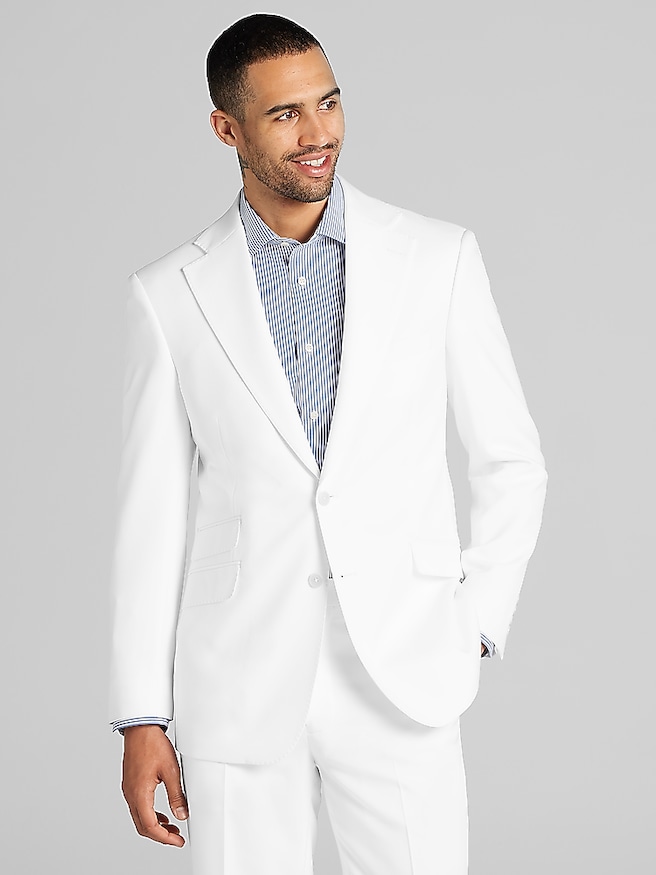
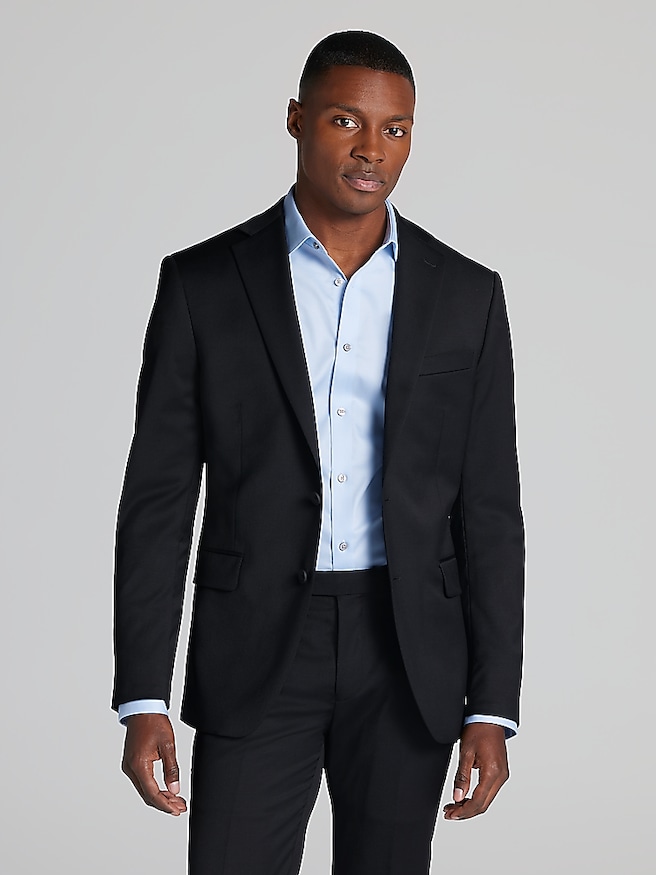
A white designer suit brings a distinctive sense of polish to formal dressing, balancing the clean lines of traditional tailoring with a confident, modern finish. It can serve as a memorable choice for a wedding, rehearsal dinner, black-tie-adjacent celebration, gala, milestone birthday, vacation event, or any occasion where a standard dark suit feels too expected. The best white suits are not simply bright garments; they are defined by thoughtful construction, refined fabric, balanced proportions, and details that help the jacket and trousers look intentional from every angle. Consider the shade as carefully as the silhouette. Bright white creates a crisp, high-contrast appearance, while soft white, ivory, cream, and winter white can look warmer and more versatile, particularly with brown, tan, burgundy, navy, or black accessories. A slim fit offers a sharp, close-to-the-body outline, while a modern or classic fit leaves more room through the chest, waist, and seat without looking oversized. Jacket length, shoulder placement, sleeve break, trouser rise, and hem width all influence how elevated the finished look appears. A suit that fits well through the shoulders and allows comfortable movement will photograph better and feel more natural through a long ceremony, reception, dinner, or evening of dancing. For a more relaxed interpretation, a white tailored jacket worn with dark trousers can create a sophisticated contrast; explore complementary styling options with White Blazer Men. Whether the goal is a bold head-to-toe statement or a versatile jacket-and-trouser combination, the right proportions make the difference between costume-like and genuinely refined.
Fabric is one of the most important purchase considerations because it affects comfort, drape, texture, and the occasions where a white suit performs best. Linen and cotton blends are lightweight and breathable, making them natural choices for outdoor celebrations, destination weddings, garden gatherings, rooftop dinners, and other warm-weather settings. Their subtle texture also keeps white tailoring from appearing flat in photographs, although natural fibers may develop a relaxed crease as the day goes on. Wool and wool blends generally offer a smoother drape, stronger structure, and greater versatility during cooler months or formal evening events. A textured weave can add depth to a monochromatic outfit, while a clean, smooth finish creates a more traditional formal impression. Stretch fibers may provide welcome comfort when sitting, traveling, or moving between venues, but the fabric should still hold its shape across the lapels, chest, and trouser front. Lining, pocket construction, button placement, and seam finishing are small details that often distinguish an elevated suit from an ordinary one. Because white fabric can reveal wrinkles, marks, and fit issues more readily than charcoal or navy, look for a garment that hangs cleanly and is easy to care for. Follow the care instructions closely, use a breathable garment bag between wears, and allow the suit to rest on a broad hanger rather than a thin wire hanger. Professional pressing before an important event can restore crisp lapels and trouser creases, while careful spot treatment helps preserve the bright appearance. When ordering online, compare the listed measurements with a jacket and trousers that already fit well, paying particular attention to chest, waist, inseam, sleeve length, and trouser seat.
White designer suits can be selected for a wide range of personal styles and recipients. They make a memorable gift for a groom, wedding party member, graduate, performer, frequent traveler, or man who enjoys building a distinctive formal wardrobe, especially when the gift is chosen around a known event or preferred fit. For someone who attends formal occasions often, a well-made white suit can expand an existing collection beyond dependable black, navy, and gray options. It can be styled with a white shirt and dark tie for a crisp, classic appearance, or softened with an open-collar shirt, knit tie, loafers, or suede footwear for a more relaxed setting. During the cooler months, a dark overcoat, fine-gauge sweater, or textured tie can ground the lighter tailoring without overwhelming it. Accessories should support the suit rather than compete with it: a restrained pocket square, polished belt, simple watch, and carefully chosen shoes are usually enough. Fit remains the priority, but tailoring can refine the final result by adjusting trouser length, sleeve length, or the jacket waist; major alterations are best completed before the event so there is time for a fitting and final pressing. Budget is another useful consideration. Entry-level designer-inspired tailoring may emphasize accessible blends and straightforward construction, while higher-priced options often reflect finer cloth, more precise pattern work, hand-finished details, and stronger long-term shape retention. Comparing fabric composition, construction, fit, care requirements, and intended use helps clarify the value at each price point. With the right styling and maintenance, a white designer suit can move from a striking celebration look to a dependable statement piece for formal dinners, special portraits, professional appearances, and meaningful occasions throughout the year.