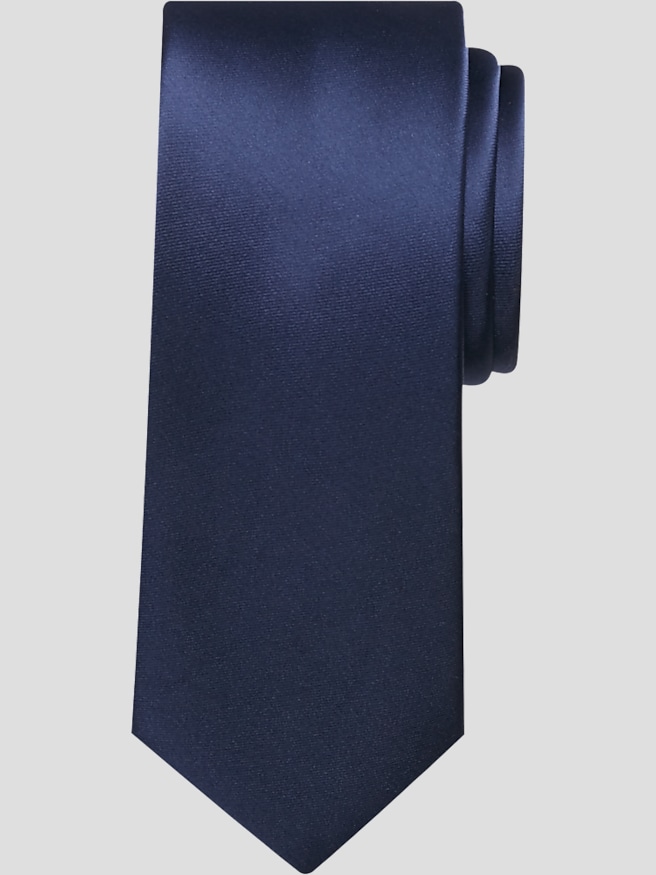
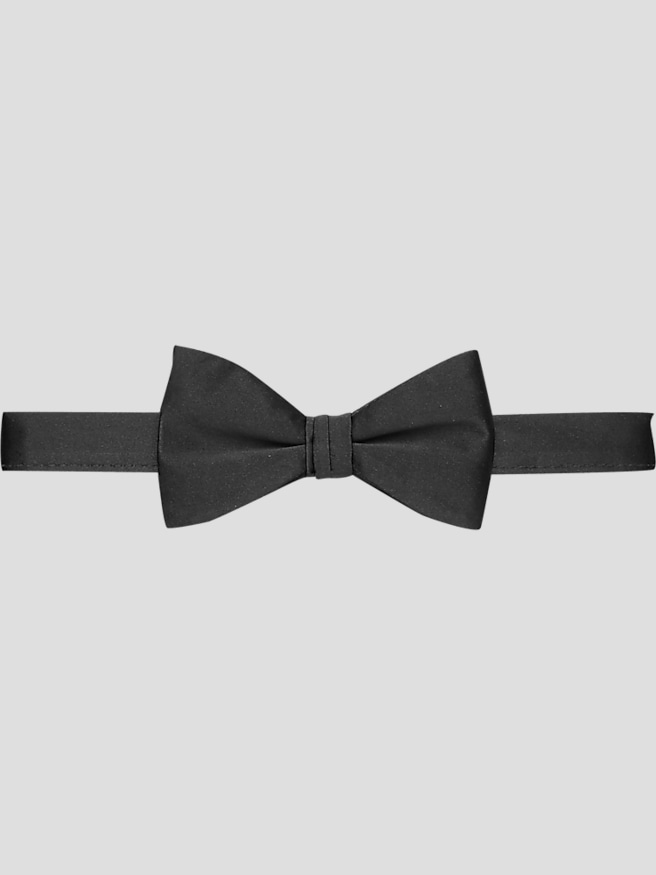
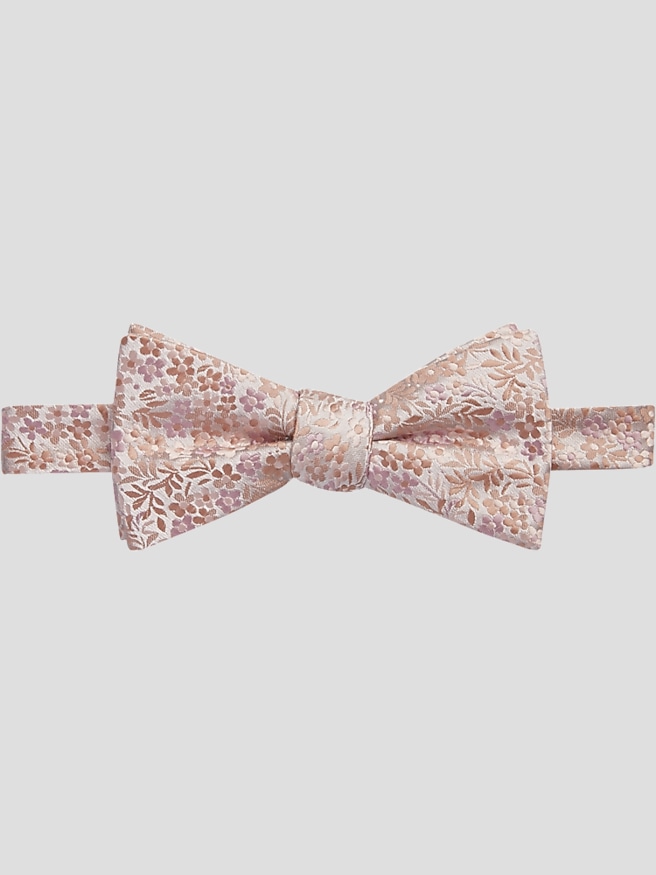
Wedding suit accessories bring a finished look to tailoring, connecting the color of a suit, the shape of a shirt collar, and the level of formality expected at the celebration. Neckties, bow ties, pocket squares, cufflinks, and understated finishing touches give a groom, wedding party member, or guest room for personal expression without distracting from the occasion. The strongest combinations have a clear relationship: a textured tie against a smooth shirt, a white pocket square against a dark jacket, or a small metallic accent repeated at the cuffs and tie bar. Silk neckwear offers a smooth hand and a range of finishes, from softly lustrous woven designs to more reflective satin. Knit textures have a more relaxed character and can complement a suit when the invitation allows less traditional styling. For a black-tie dress code, a tuxedo with a black bow tie remains the traditional choice; a dark suit with a necktie does not automatically meet that standard. With wedding suits, tie width generally looks most balanced when it relates to the width of the jacket lapels, while the knot should sit comfortably within the shirt collar. A broad spread collar can accommodate a fuller knot, whereas a narrower opening often looks cleaner with a smaller one. Tie length matters just as much: the tip typically reaches the waistband rather than ending well above it or hanging far below. Adjustable bow ties should fit securely around the collar without pulling it inward or pressing against the neck. These proportions become noticeable in the ordinary moments of a wedding day, from sitting through the ceremony to leaning across a table during a toast. Accessories that stay comfortably in place help the outfit look composed in photographs and feel natural through the reception. Color can connect the look to the wedding palette through a muted accent or subtle pattern rather than requiring every piece to match exactly.
Pocket squares add dimension near the face and offer a useful contrast to neckwear. White linen has a crisp appearance that suits a straight fold, while silk falls into softer curves for a relaxed puff. Cotton provides another option with a generally matte finish and enough structure for simple folds. Fabric weight and pocket depth affect the result: a thick square can create a bulge in a shallow breast pocket, while a very small, slippery square may settle out of sight. A complementary color or a shared detail in a pattern usually creates more depth than an identical tie and pocket square. A navy tie with a small cream motif, for example, can sit comfortably beside a cream square without looking like a matched set. The same restraint applies to cufflinks and other hardware. Silver-tone finishes create a cool, clean accent, while gold-tone finishes bring warmth; keeping visible metals in a similar family helps the outfit feel cohesive, though a meaningful watch or heirloom need not be excluded because its finish differs. Cufflinks require a compatible shirt cuff, most commonly a French cuff or a convertible cuff with the appropriate openings. Secure closures, smooth edges, and a comfortable size matter when hands are moving through greetings, dinner, and dancing. A tie bar serves a practical purpose as well as a decorative one: it fastens the tie to the shirt placket and should not extend beyond the tie’s width. Placement between the third and fourth shirt buttons is a common starting point, adjusted to suit the jacket opening. A boutonniere traditionally sits on the left lapel, where it can echo the floral palette without crowding the pocket square. For celebrations calling for a more traditional finishing touch, Men’s Formal Wedding Accessories connects these small details with the polished character of formal wedding attire. Whether the overall look is spare or expressive, leaving a little visual space around each accent lets the tailoring remain the focus.
Belts, suspenders, socks, and dress shoes complete the outfit below the jacket and have a direct effect on comfort over a long celebration. A dress belt should pass easily through the trouser loops and sit flat at the waist, with a restrained buckle that does not compete with other hardware. Leather in a similar color and level of polish to the shoes creates continuity without demanding a perfect match. Suspenders offer a different way to support trousers and are generally worn instead of a belt, not alongside one. Button-on styles need interior waistband buttons, while any suspender style should be adjusted so the trousers hang naturally rather than pulling upward. Tuxedo trousers traditionally take suspenders or side adjusters rather than a belt. Dress socks long enough to cover the calf help prevent exposed skin when seated, and smooth toe seams and a secure, nonbinding cuff make a difference during an extended reception. Fine-gauge cotton, wool, and blended fabrics each offer a different feel; fiber content, knit density, and reinforcement at the heel and toe all influence comfort and durability. Care is equally important for accessories intended to serve beyond one ceremony. Neckwear benefits from being fully untied after use rather than pulled loose and left knotted, and delicate fabrics should be cleaned according to their labels. Pocket squares may have different washing or professional-cleaning requirements depending on their fiber and construction. Cufflinks and tie bars stay better protected in separate compartments or soft pouches, while leather accessories benefit from appropriate cleaning, occasional conditioning when recommended, and dry storage away from direct heat. For a wedding party, shared colors can establish a coordinated appearance while small variations in pattern or texture preserve individual style. Cufflinks, pocket squares, and neckwear can also make thoughtful gifts for attendants or family members, especially when their designs work with clothing the recipient already wears. Well-proportioned accessories with secure construction and manageable care requirements can remain useful for anniversaries, formal dinners, and future celebrations long after the wedding photographs are framed.