Men’s accessories for a wedding bring the finishing details of formal dressing into focus, helping a suit or tuxedo feel intentional from the first look to the final photograph. The right choices depend on the dress code, the season, the setting, and the colors already established by the wedding party. A black-tie celebration calls for a more restrained approach, with refined neckwear, understated metal accents, and a pocket square folded neatly rather than arranged for attention. A semi-formal ceremony allows more room for texture and personality, whether that means a softly patterned tie, a richer fabric, or a pocket square that picks up a subtle shade from the floral arrangements. For an outdoor ceremony or a gathering held during the cooler months, wool, cashmere blends, or brushed textures can add visual warmth without looking heavy. In a bright, open setting, silk and linen blends create a lighter impression. The goal is coordination rather than perfect matching: a tie and pocket square can share a color family while using different patterns, scales, or textures. This keeps the outfit polished and natural instead of making every detail look assembled from one set. For a broader selection of finishing touches, explore Wedding Suit Accessories, where formal wardrobe details can be considered alongside the suit or tuxedo they are meant to complete.
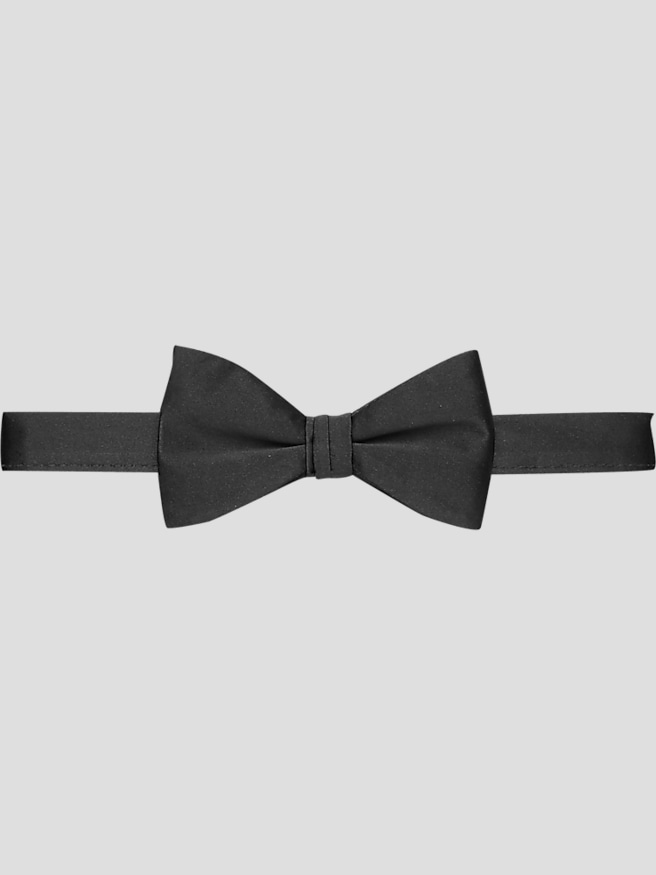
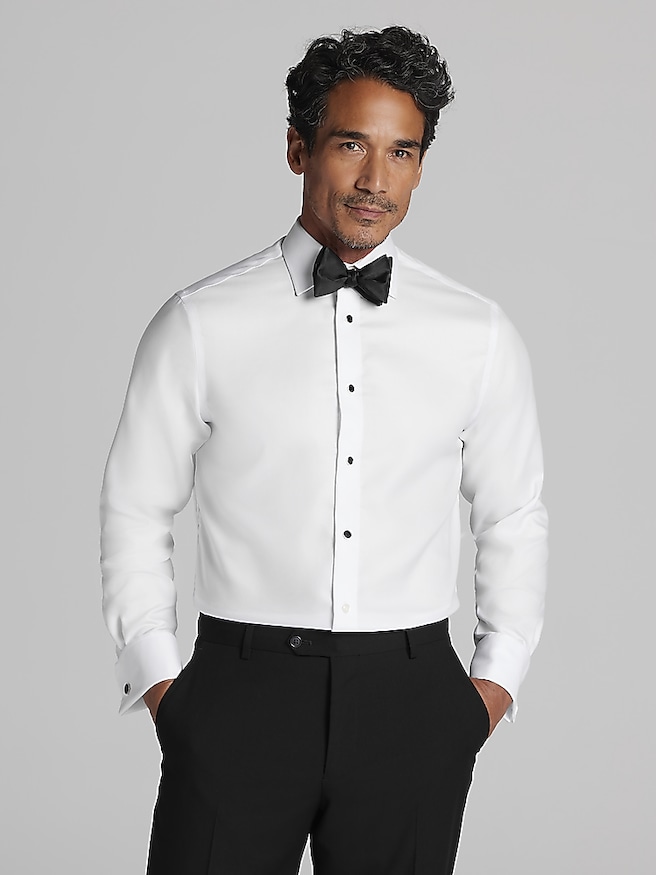
Neckwear is often the most visible accessory, so its proportion should work with the collar, lapels, and overall build of the outfit. A traditional necktie creates a clean, versatile line, while a bow tie brings a distinctly formal character and is especially appropriate with evening attire. A self-tied style has a relaxed irregularity that looks authentic in photographs, while a pre-tied option offers reliable consistency for a coordinated wedding party. Tie bars and clips serve a practical purpose by keeping the tie from shifting when greeting guests, lifting a child, or stepping outdoors, and their slim metallic shape can echo the finish of a watch, belt buckle, or cufflinks. Cufflinks and shirt studs are designed for formal shirts with French cuffs or covered closures, adding a small flash of detail whenever the wearer reaches for a glass or adjusts a jacket sleeve. Silver-tone accents tend to feel crisp and versatile; gold-tone finishes bring warmth; darker metal can suit a modern evening look. A pocket square should sit securely in the breast pocket without crowding it, and a simple presidential fold is an excellent choice when the suit, tie, and ceremony already carry plenty of visual interest. A boutonniere, when included in the wedding plans, belongs on the lapel buttonhole and should be fastened securely so it remains comfortable through the ceremony, photographs, and reception. These details may be small, but they often make the difference between clothing that is merely appropriate and an outfit that feels personal.
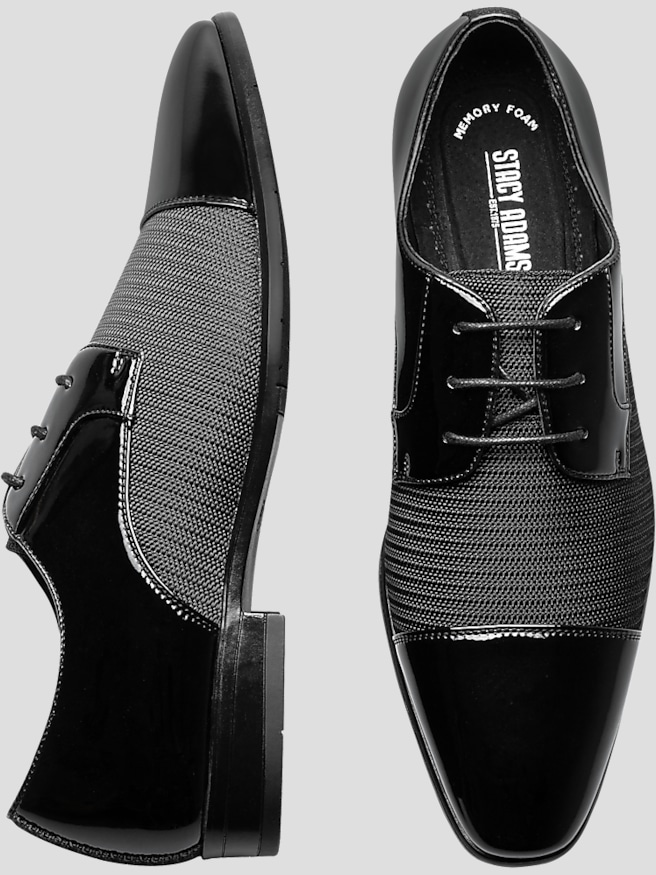
Practical fit matters just as much as color. Choose a belt that complements the trousers and footwear, or use suspenders when the trouser design and dress code call for them; wearing both together is unnecessary and can create a crowded appearance around the waist. The accessory should support the way the outfit is worn, not compete with it. Check that the tie reaches the waistband, that cufflinks do not pinch, and that a pocket square stays in place when the jacket is buttoned. Footwear should be clean, comfortable, and suitably formal for the venue, since a wedding day can involve standing during the ceremony, walking across grass or stone, and moving between dining, dancing, and photographs. Accessories also make thoughtful gifts for a groom, groomsman, father, brother, or guest who is building a formal wardrobe. A set of coordinated details can mark a role in the wedding party, while a single durable accent may become part of a professional wardrobe long after the celebration ends. When giving an accessory, consider the recipient’s usual metal finishes, preferred colors, shirt styles, and existing wardrobe rather than choosing only by the wedding palette. A groom may appreciate a distinctive detail reserved for the ceremony, while members of the wedding party may need accessories that follow a shared color direction and remain comfortable throughout a full day. For guests, the safest approach is to respect the invitation’s dress code, keep patterns balanced, and avoid accessories so bold that they draw focus away from the couple. With thoughtful coordination, these finishing touches create a composed appearance that feels at home in a grand ballroom, a family gathering, or an outdoor celebration as the weather shifts from warmer days into cooler months.