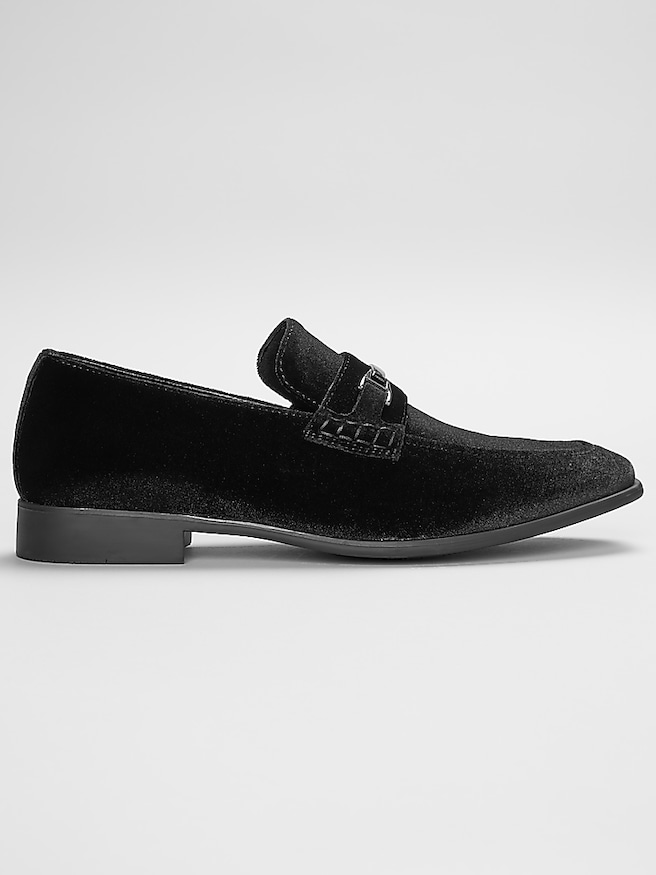
Velvet shoes bring a soft, light-catching surface to dress footwear, giving familiar silhouettes a richer finish without relying on a high shine. Their distinctive appearance comes from velvet’s short, dense pile: tiny upright fibers that look lighter or darker as they catch the light. That depth is especially noticeable in black, burgundy, navy, and deep green, where a simple shoe can become the focal point of an otherwise understated outfit. Velvet describes a fabric construction rather than a single fiber; shoe uppers may use cotton, synthetic fibers, or blends, with each material contributing its own feel and care requirements. The textile upper also sits over a structured shoe, so a plush exterior does not necessarily mean a soft footbed or flexible sole. Loafers and evening slippers are closely associated with velvet, often featuring a low profile, a defined heel, and a clean vamp, the section covering the top of the foot. Some designs use piping, embroidery, tassels, or metal accents, while others let the fabric provide all the detail. For a wedding guest, an anniversary dinner, or a dressy reception, that texture offers an alternative to smooth leather. Black velvet shoes can complement a tuxedo at occasions where velvet evening slippers suit the dress code, though traditional patent leather remains the more conventional choice for strict formal requirements. With a dark suit, an unadorned velvet loafer introduces personality while keeping the overall effect composed. A groom might use the same texture to distinguish his outfit through a subtle detail rather than a bold pattern. Velvet footwear can also work with tailored separates for a dinner or theater outing, provided the shape and detailing match the setting. The appeal is in the contrast: crisp trousers above a plush surface, a restrained outfit with one expressive finish, or a deep color that reveals more character up close than it does across the room.
The best fit for velvet shoes depends as much on the underlying construction as on the softness of the upper. A loafer should hold the heel securely without squeezing the forefoot, and the toes should have room to rest naturally rather than pressing against the end. Because slip-on styles lack laces, the fit across the instep deserves particular attention. Too much room can let the foot slide forward; too little can create pressure across the top of the foot before the evening has even begun. Trying shoes with the socks intended for the occasion gives a more useful sense of fit than trying them barefoot and adding thicker socks later. Fine-gauge dress socks maintain a smooth line with tailored trousers, while low-profile socks can support an exposed-ankle look in less formal settings. Neither option should be used to compensate for a shoe that is fundamentally too tight or too loose. A soft textile surface is not a reliable promise that the shoe will stretch, since linings, seams, and internal reinforcement help determine how much the upper can give. Comfort for a seated dinner can also feel quite unlike comfort after a ceremony, photographs, and several hours of standing. Footbed cushioning, arch shape, interior seams, and heel stability all matter when the occasion calls for extended wear. Sole materials affect the experience, too: leather soles often create a sleek dress profile, while rubber soles may add flexibility and traction, depending on their construction and tread. Neither material alone guarantees comfort or grip. Visually, the shoe’s proportions should balance the trousers. A tapered leg with a clean hem shows the velvet without bunching over the vamp, while a fuller trouser works best when its length looks deliberate rather than pooled. For coordinating texture beyond footwear, Velvet Fashion offers a broader style connection. A velvet jacket and velvet shoes need not be identical in color, but keeping the shirt, trousers, and accessories restrained helps the combination feel intentional. One pronounced texture is often enough to give a tailored outfit distinction.
Caring for velvet shoes means protecting the pile as well as maintaining the structure underneath it. Velvet is not inherently waterproof, and moisture can leave marks, flatten fibers, or affect the materials beneath the fabric. These shoes are generally better suited to occasions with limited exposure to moisture and abrasive surfaces than to demanding everyday use. Even when the upper contains durable synthetic fibers, repeated rubbing at the toe, heel, or edges can change the appearance of the pile. Following the shoe’s care label is essential because a method suitable for one velvet fabric may not suit another, especially when trim, adhesive, or decorative details are involved. For routine dust removal, a clean, dry, very soft brush used lightly in the direction of the nap is often appropriate if the maker’s instructions permit it. Firm scrubbing can distort the surface, and ordinary leather polish should not be applied to velvet uppers. After a spill, gently blot excess liquid with a clean, absorbent cloth rather than rubbing it into the fabric. Avoid saturating the area or applying household cleaners without approved care instructions; a footwear specialist is a sensible option for persistent stains or valuable occasion shoes. If the shoes become damp, allow them to dry naturally away from direct heat. Any fabric protector should be specifically suitable for the shoe’s materials, approved by the manufacturer, and tested discreetly before broader application. Between wears, giving the shoes time to air out and storing them where the uppers will not be crushed helps preserve their shape and finish. Separate breathable shoe bags can reduce dust and prevent hardware on one shoe from catching the other. For travel to a wedding or celebration, packing velvet footwear apart from toiletries and heavy objects offers practical protection. As a gift, velvet shoes can suit someone who enjoys tailoring, attends dressy events, or appreciates a distinctive accessory with a clear purpose. Knowing the recipient’s size, preferred silhouette, and usual dress code matters more than choosing the boldest color. A well-proportioned pair in a versatile shade can feel personal while remaining easy to coordinate, bringing texture and individuality to the occasions that call for dressing with care.