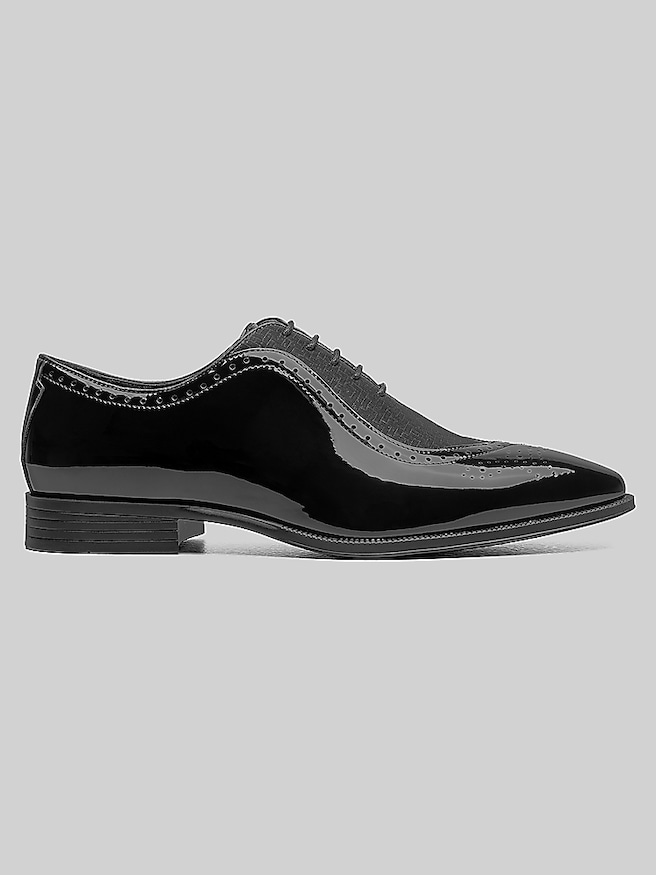
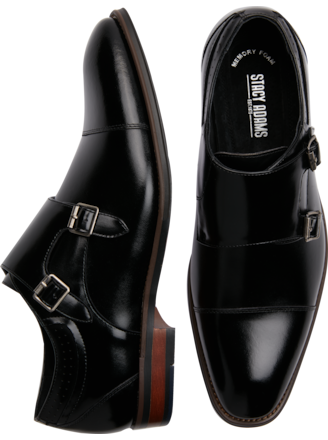
Luxury velvet shoes bring a distinctive softness and depth to dressed-up footwear, pairing a plush surface with the clean shape of a loafer or evening slipper. Unlike polished leather, which reflects light from a smooth finish, velvet has a short, dense pile that changes appearance as the fibers catch the light. That subtle movement gives black a dimensional richness and makes deep navy, burgundy, and other saturated shades feel expressive without relying on a bold pattern. Drawing on traditional evening footwear, velvet loafers and slippers work especially well for weddings, formal dinners, performances, and celebrations where tailoring sets the tone. A streamlined silhouette can sit neatly beneath tuxedo trousers, while a slightly more substantial shape may feel at home with a tailored suit or dress trousers and a jacket. The appeal of Men's Velvet Shoes lies in that balance of texture and restraint: the fabric provides visual interest even when the design is otherwise simple. Plain uppers create a quiet finish, while piping, embroidery, or a decorative accent can give the same basic shape a more individual character. With a patterned jacket or richly textured suit, an understated shoe keeps the outfit from feeling crowded. Against a simple black tuxedo, velvet can become the detail that draws attention when the trouser hem moves. For black-tie occasions, the suitability of a velvet slipper depends on the event’s expectations and the shoe’s overall formality; a sleek profile and discreet detailing generally feel more aligned with evening dress than a casual, heavy-soled loafer. The strongest combinations give each texture room to register rather than matching every surface exactly. A satin lapel, crisp trouser crease, and velvet upper can complement one another precisely because they handle light in distinct ways. That contrast makes velvet an appealing choice for someone who wants formal footwear with personality, but not an outfit built around conspicuous decoration.
The material beneath that rich appearance matters as much as the color. Velvet describes a fabric construction rather than a single fiber, so velvet shoe uppers may use silk, cotton, synthetic fibers, or blends, each with its own feel and care requirements. Fiber content alone does not establish quality; pile density, an even surface, careful seams, and a well-proportioned shape all contribute to the finished impression. Smooth piping around the opening should feel comfortable against the foot, and decorative stitching should look controlled rather than puckering the surrounding fabric. A lining can help separate the foot from the upper’s internal seams, while cushioning and a supportive base influence how the shoe feels over several hours. For a ceremony followed by dinner and dancing, those less visible details deserve as much attention as the appearance of the toe. Velvet itself is not a substitute for structure, and a soft-looking upper does not guarantee a comfortable fit. A well-fitting loafer should hold the heel securely without pinching, leave enough space for the toes, and feel settled across the instep. Repeated heel movement, pressure over the top of the foot, or toes pushed against the front can become more noticeable during an extended event. Trying shoes with the hosiery intended for the outfit gives a more useful impression than trying them with an unrelated sock thickness. Thin dress socks can maintain a clean line beneath formal trousers, while a no-show option may suit less formal tailoring if the shoe and occasion support that look. Sole construction also shapes the experience. Leather soles offer a traditional finish, while rubber elements may add traction and flexibility; actual grip depends on the design and the walking surface. Neither an elegant sole nor a cushioned footbed makes every shoe suitable for prolonged walking. Luxury velvet shoes are often most satisfying when their construction matches the occasion, whether that means a seated dinner, an evening spent standing and greeting guests, or a celebration with frequent movement.
Velvet rewards thoughtful handling because its appeal depends on keeping the pile clean and evenly raised. It is generally better suited to controlled indoor settings and clean, dry surfaces than to situations involving puddles, abrasive ground, or repeated exposure to moisture. That does not make every velvet shoe delicate in the same way: durability also depends on the backing, seams, lining, sole attachment, and frequency of wear. Still, scuffing a velvet toe can disturb the surface rather than leave the kind of mark that ordinary leather polish can address. Routine care usually begins with allowing the shoes to air after wear and gently removing loose dust with a soft brush intended for the material, following the maker’s directions. Heavy pressure can flatten the pile, and scrubbing a small spot may leave a larger area with an uneven appearance. Water, household cleaners, and traditional shoe creams should not be treated as universal solutions for a velvet upper. Any protective treatment needs to be appropriate for both the fabric and the shoe’s other components, with testing in an inconspicuous area when the care instructions permit it. Persistent stains are often better assessed by a footwear specialist than subjected to repeated home treatments. Between occasions, separate shoe bags help limit rubbing and dust, while suitable shoe trees or gentle internal support can help preserve the shape without stretching the upper. Storage away from direct sunlight helps protect the fabric’s appearance, and letting damp shoes dry naturally avoids unnecessary heat exposure. For gifting, velvet footwear can be a thoughtful choice for a groom, an enthusiastic host, or someone who enjoys dressing for the theater or a formal dinner. A familiar size is only a starting point, since the shape of the last and the height of the instep can change the fit. Knowing the recipient’s preferred silhouette and usual dress code makes the choice more personal. With the right proportions, comfortable construction, and attentive care, velvet shoes can become a distinctive part of an occasion wardrobe rather than a detail worn once and forgotten.