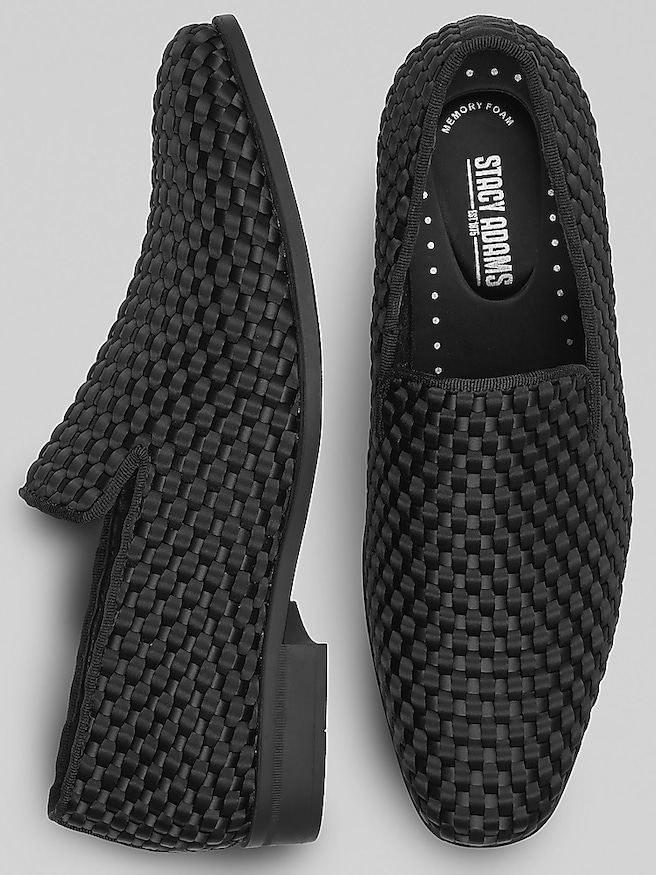
Velvet loafers bring a soft, light-catching texture to men’s dress footwear, offering an expressive alternative to smooth leather without losing the clean outline that works with tailored clothing. Their distinctive finish comes from velvet’s short, dense pile: fine fibers that reflect light as they change direction, giving even a solid black pair depth and subtle variation. Velvet is a fabric construction rather than a single fiber, so uppers may use cotton, silk, synthetic fibers, or blends, depending on the design. Fiber content, pile density, lining, and sole construction all influence how the shoes feel and perform. The loafer shape adds slip-on convenience, while a low profile keeps the emphasis on the fabric and the line of the trousers. Some velvet loafers take inspiration from traditional evening slippers, with an uncluttered vamp and restrained trim; others use embroidery, tassels, or metal accents for a more decorative appearance. These details affect the overall impression as much as color does. Black velvet reads understated and dressy, deep burgundy adds richness, and navy creates a tonal effect alongside blue tailoring. A plain vamp lets the texture speak for itself, while a stitched motif can become the focal point of an otherwise simple outfit. For weddings, galas, milestone celebrations, and evenings with a formal dress code, velvet dress loafers can provide a distinctive finishing touch. They are especially effective when the rest of the clothing has a clear, deliberate shape: a well-fitted jacket, neatly pressed trousers, and a hem that does not pool over the shoe. The appeal is not limited to elaborate occasions, either. With tailored separates, velvet can lend polish to a dinner outfit without requiring a full suit. The key is proportion and restraint, allowing the footwear to add character rather than competing with several other statement pieces.
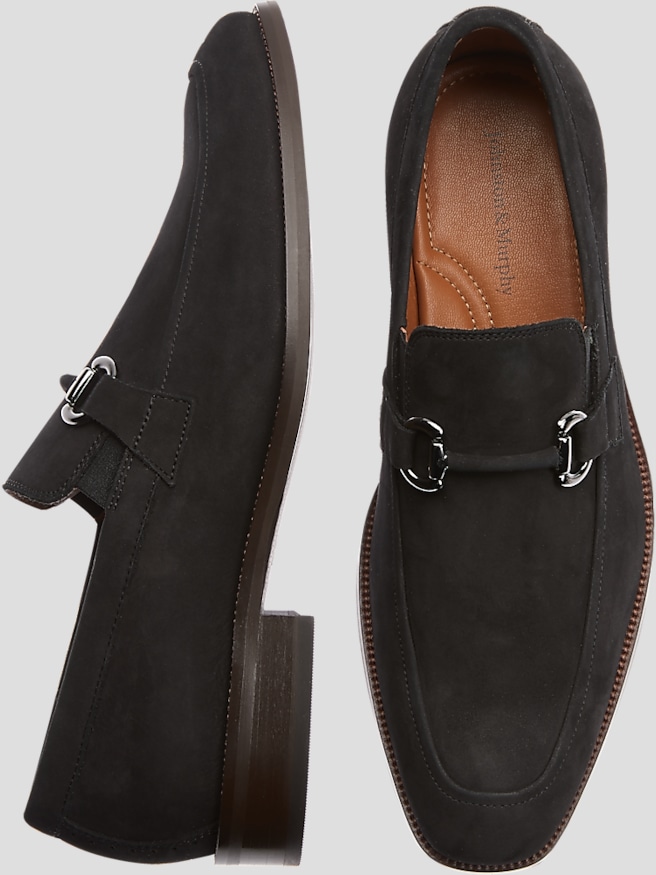
Styling velvet loafers starts with the occasion and the level of formality expected. For black-tie events that permit evening slippers, a streamlined black velvet design can complement a tuxedo, particularly when its trim is minimal and its silhouette is sleek. More traditional dress codes may call for patent leather or polished leather footwear instead, so the invitation and host’s expectations should take priority. With a suit, velvet loafers work best when the trouser opening sits neatly around the shoe rather than swallowing it. A slight break or clean, shorter hem reveals the vamp and preserves the tailored line; an exaggerated crop makes a stronger fashion statement and may feel less appropriate for a conservative setting. For a celebratory dinner, charcoal trousers, a crisp shirt, and a dark jacket give burgundy or navy velvet room to stand out. For a less formal evening, fine-gauge knitwear and pressed trousers create a relaxed balance without making the shoes look disconnected from the outfit. Socks also shape the result. Fine dress socks in a color close to the trousers maintain visual continuity, while no-show liners create an exposed-ankle appearance when the setting allows. Fit deserves equal attention because slip-on shoes depend on the relationship between the heel, instep, and toe box rather than laces for adjustment. A comfortable pair should hold the foot securely without squeezing across the top or forcing the toes together. Some movement may occur at the heel, but repeated lifting or sliding can lead to rubbing and an unstable stride. Try loafers with the socks intended for the occasion, and walk on a clean indoor surface to assess pressure points and heel hold. Do not assume a tight textile upper will stretch enough to correct a poor fit. Anyone comparing textured footwear may also consider Soft Suede Loafers; suede has a napped leather surface, while velvet has a textile pile, creating distinct appearances and care needs despite their shared softness.
Construction and upkeep help determine whether velvet loafers remain a special-occasion favorite for years or begin to look tired after only a few outings. The upper provides the visual character, but the lining, footbed, heel structure, and outsole do much of the practical work. A smooth lining can reduce friction, cushioning can make extended standing more comfortable, and a stable heel helps the shoe maintain its shape. Leather soles often create a slim, traditional profile, while rubber soles or rubber contact areas can offer additional traction; actual grip depends on the sole design and the surface underfoot. For a wedding reception with a long stretch of standing followed by dancing, secure fit and comfort matter more than an ornamental detail that looks impressive only in a photograph. Velvet’s raised pile also rewards careful handling. Repeated abrasion can flatten the fibers, and dirt can become caught in the surface, so these shoes are generally better suited to occasions than demanding everyday walking. After wear, follow the care label and gently lift loose dust with a soft brush intended for delicate fabric, working lightly with the pile rather than scrubbing back and forth. Avoid treating velvet like polished leather: standard shoe polish, vigorous brushing, and unapproved cleaners can alter its texture or leave marks. Blot spills promptly with a clean, dry cloth instead of rubbing, and seek professional advice for persistent stains or elaborate embroidery. Any protective treatment should be specifically approved for the material and tested in an inconspicuous area first. Let the lining air out before storage, support the shape with appropriately sized shoe trees or clean tissue, and use a breathable shoe bag to limit dust and friction. For gifting, velvet loafers suit someone who enjoys tailoring, attends formal celebrations, or appreciates a distinctive accessory. Knowing the recipient’s size, preferred fit, and usual dress code helps make the choice personal and practical, with a simple dark design often easier to incorporate into an established wardrobe than bold embellishment.