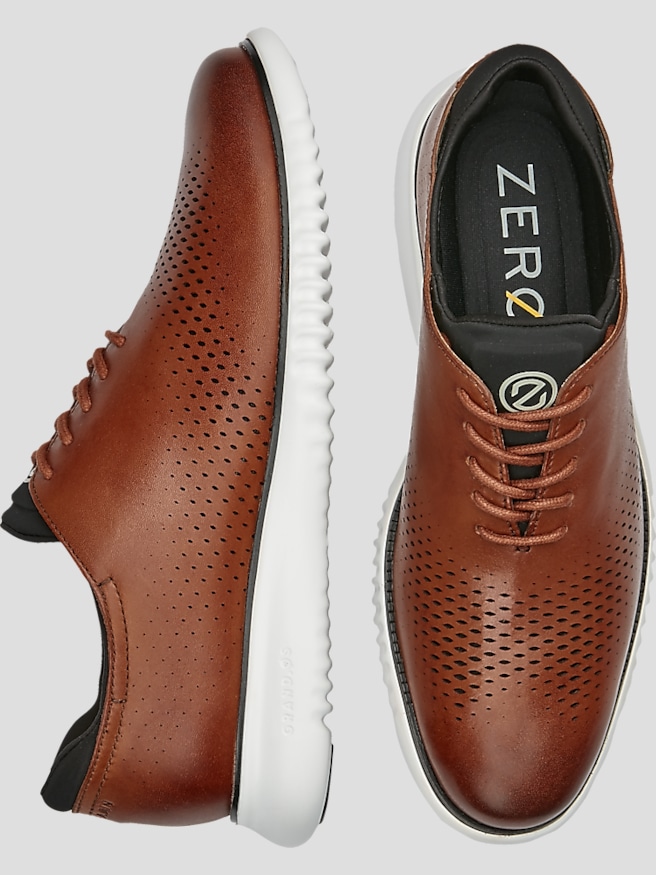
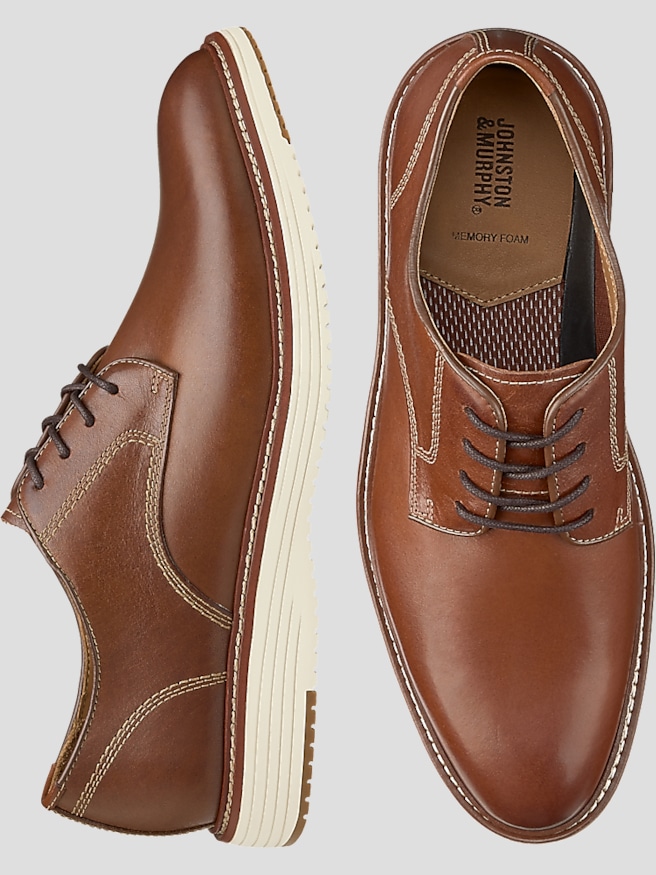
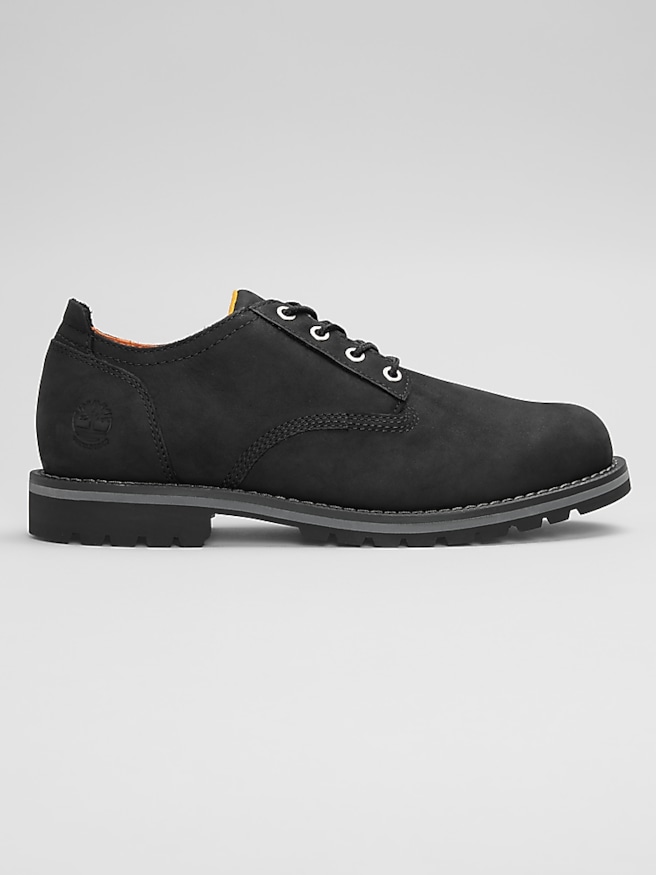
Unique oxfords bring individual character to a classic dress shoe through distinctive leather finishes, unexpected color combinations, decorative perforations, and variations in the sole and silhouette. The defining feature remains closed lacing: the leather sections that hold the eyelets are stitched beneath the vamp, creating a neat, closely fitted appearance across the top of the foot. That construction gives oxford shoes their tailored look, even when the design moves beyond smooth black or brown leather. A shaded toe, a textured quarter, or a fine line of contrasting stitching can provide personality without making the shoe difficult to wear. Some distinctive treatments are subtle enough for a business meeting; others, such as pronounced color blocking or a substantial lug sole, make footwear a more noticeable part of the outfit. Broguing refers to decorative perforations rather than the shoe’s lacing construction, so an oxford can be plain, lightly perforated, or detailed with an elaborate wingtip pattern. A cap toe adds a defined seam across the front, while a wholecut design creates a clean silhouette from a single main piece of upper leather. Neither needs elaborate ornamentation to feel distinctive. Rich surface texture and thoughtful proportions can be just as expressive as bold color. With a navy suit, a burnished brown oxford introduces depth while keeping the overall impression composed. Under charcoal trousers, an oxblood finish supplies a muted note of color that becomes more noticeable in daylight. A grain-textured pair can also sit comfortably alongside flannel trousers, an unstructured jacket, or a substantial knit during the cooler months. For someone who wears tailored clothing frequently, these details offer a way to vary familiar combinations without changing the entire wardrobe. For someone dressing up only occasionally, an understated interpretation provides character across weddings, celebratory dinners, and important work events. The most useful distinction is not simply whether a shoe stands out, but how naturally its shape, finish, and detailing fit the settings where it will be worn.
Materials influence both the appearance of distinctive oxford shoes and the way they settle into regular use. Smooth leather gives burnishing and polished finishes a clear surface, while pebbled leather introduces texture that can soften the formality of a sharply cut suit. Suede has a low-sheen, tactile quality that works especially well with brushed fabrics and less structured tailoring, though it needs protection from moisture and careful cleaning. Full-grain leather retains the hide’s natural surface, and well-maintained leather uppers can develop an appealing patina as they flex and age. Hand-applied color or finishing, when part of a shoe’s construction, may create tonal variation rather than a perfectly uniform surface. That variation is part of the visual appeal, but an unusual finish alone does not establish durability. Stitching, lining, sole attachment, and the quality of the upper all contribute to long-term performance. Leather soles typically create a slim, traditional profile; rubber soles can provide more cushioning or traction, depending on their composition and tread. A thicker sole gives an oxford a stronger visual presence, but weight and flexibility matter when a day includes a train platform, several city blocks, and hours at a desk. Fit deserves equal attention. Closed lacing can feel less forgiving over a high instep than an open-laced shoe, and a longer size is not necessarily the answer to pressure across the forefoot. Toes should have space without sliding forward, the heel should feel secure without persistent rubbing, and the widest part of the foot should align with the shoe’s widest area. For feet that need additional room across the ball, Wide Oxfords offer a relevant fit category to consider. The shape of the last also matters: two shoes with the same labeled size can feel noticeably distinct because of toe shape, instep volume, or heel proportions. Trying footwear with the socks intended for everyday wear gives a more realistic sense of fit. Leather may soften with use, but sharp pressure, pinching, or compressed toes should not be treated as necessary parts of breaking in a dress shoe.
The right level of detail depends on the occasion as much as personal taste. In a conservative workplace, a restrained cap toe with gentle shading can add interest beneath a trouser hem without drawing attention away from the rest of the outfit. For a wedding guest, decorative broguing or a deep burgundy tone can complement a textured suit, provided the footwear respects the event’s dress code. Traditional black-tie settings generally favor sleek, highly polished black footwear rather than rugged soles or conspicuous contrasting panels. At a dinner with a less formal atmosphere, suede oxfords or a bolder sole profile can feel at home with tailored trousers and a fine-gauge sweater. Keeping nearby colors quiet allows an expressive shoe to remain intentional rather than compete with a patterned jacket, bright socks, and an equally prominent belt. A belt in a compatible color family is usually enough; the finishes do not have to match exactly. Unique oxfords can also make a thoughtful gift for a graduate entering a professional setting, a partner marking a milestone, or someone who appreciates the craft of well-made footwear. Knowing the recipient’s size, width, usual dress code, and preferred toe shape makes that choice more personal and practical. Care helps preserve both the distinctive finish and the underlying structure. Dust and surface grit should be removed before polishing smooth leather, and conditioner should be used sparingly according to the material’s care instructions. Color creams can alter shaded or hand-finished surfaces, so testing an inconspicuous area is important. Suede calls for a suitable brush rather than ordinary shoe polish. After damp weather, shoes should dry naturally away from direct heat; cedar shoe trees can help maintain their shape between wears. Rotating pairs gives linings time to dry, while a shoehorn reduces strain on the heel counter. Where construction permits, timely sole or heel repairs can extend useful wear. These habits help distinctive oxfords retain the clean lines, rich texture, and considered appearance that make them worth reaching for repeatedly.