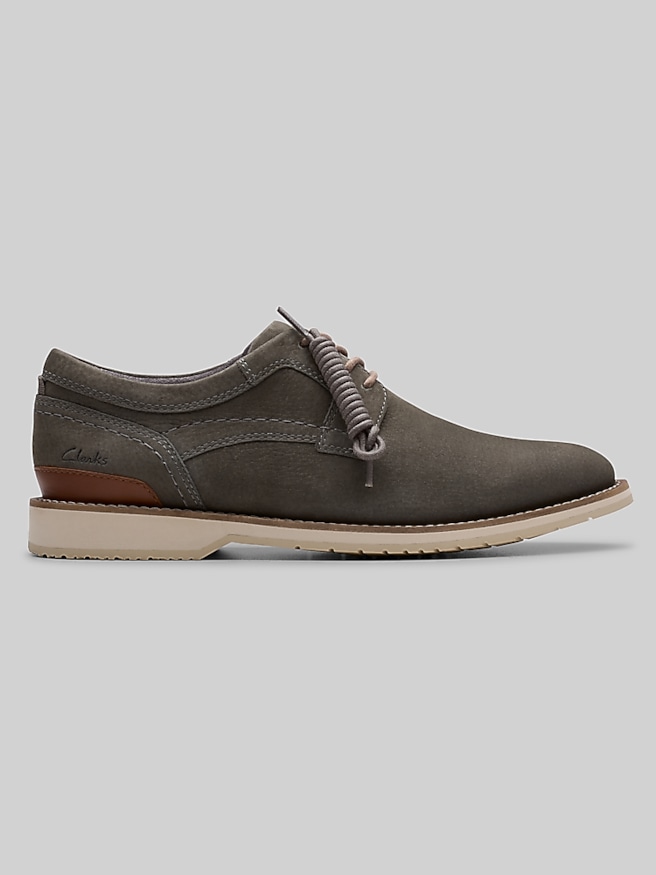
Wide oxfords are lace-up dress shoes designed to give broader feet more room without adding unnecessary length. A traditional oxford has closed lacing, with the sections that hold the eyelets stitched beneath the front of the upper, creating a neat profile that works naturally with tailored clothing. In a wide fit, that polished appearance is paired with additional room across the forefoot, although the exact shape and interior volume depend on the shoe’s construction. For someone whose dress shoes pinch at the ball of the foot or squeeze the little toe, the right width can make a meaningful difference. Width markings such as E, EE, and EEE, along with labels such as W and EW, may identify wider fits, but those designations are not identical across manufacturers. A wide size in one shoe may feel noticeably different from the same labeled size in another. Foot measurements provide a useful starting point, while the actual fit depends on the toe shape, heel dimensions, instep height, and socks worn with the shoes. A well-fitting pair should hold the heel securely, allow the toes to rest without crowding, and feel comfortably snug rather than tight across the widest part of the foot. Extra width should not mean that the foot slides forward or shifts sideways with every step. Choosing a longer size simply to gain width can place the shoe’s natural flex point ahead of the ball of the foot and leave excess space at the heel. For feet that differ slightly in size, accommodating the larger foot generally gives a better starting point. The fit should also be assessed on both feet while standing and walking, not only while seated. Leather may soften with wear, but a break-in period should not be expected to correct painful pressure or a fundamentally narrow shape.
Materials and construction influence how wide oxford shoes feel through a workday, how they look with dress clothes, and how they hold up to repeated wear. Smooth leather has a refined surface that can be conditioned and polished, making it a practical choice for a regularly worn dress shoe. Full-grain leather retains the hide’s natural surface and can develop character over time, while corrected-grain leather has been treated to create a more uniform appearance. Suede brings a softer, more textured look that suits less formal tailoring, though its surface requires different cleaning methods from smooth leather. Synthetic uppers vary in flexibility and breathability, so the material description matters more than appearance alone. Inside the shoe, smooth linings and unobtrusive seams can help reduce friction, especially around the heel and the sides of the forefoot. Cushioning under the heel and ball of the foot may soften the feel of hard floors, but a thick footbed also takes up interior space. Anyone who wears an orthotic needs enough room for it without lifting the heel too high or crowding the instep; a removable footbed can make that accommodation easier. These details are also central to Comfortable Oxfords, since width alone does not determine all-day comfort. Outsole construction adds another layer of consideration. Leather soles have a traditional dress-shoe character, while rubber soles can provide cushioning and traction, depending on their compound and tread. A low-profile rubber sole can still look appropriate beneath tailored trousers. Welted construction may allow resoling when the upper remains in good condition, although repair options depend on the individual shoe. Cemented construction can produce a lighter, flexible feel, with repair possibilities that vary. Neither construction method guarantees comfort on its own. Balanced proportions, secure heel placement, sufficient toe room, and a sole that flexes where the foot bends all contribute to a shoe that feels as considered as it looks.
The appeal of wide oxfords is that they can accommodate a broader foot while preserving the clean lines expected of dress footwear. A simple black cap-toe shape creates a restrained foundation for a business suit, an interview outfit, or attire for an evening ceremony. Brown leather brings a different character to navy, charcoal, and lighter neutral trousers, while brogue detailing adds visual texture and generally makes the shoe feel less formal than an otherwise similar plain design. Toe shape matters aesthetically as well as physically: an almond-shaped toe can look streamlined, but it still needs enough interior space to avoid squeezing the toes together. A more rounded shape may suit a broader forefoot without appearing bulky when the rest of the shoe is well proportioned. Intended use helps put these details in perspective. Someone who spends much of the day moving between conference rooms may value cushioning and dependable traction, while a wedding guest may prioritize a polished finish that complements a suit and remains comfortable through a reception. Wide oxfords can also make a thoughtful gift for a graduate starting a professional wardrobe or someone who frequently attends dress occasions, provided the recipient’s length, width, and fit preferences are known. Consistent care helps preserve both appearance and structure. Dust and surface dirt can be removed before they settle into creases, and smooth leather benefits from an appropriate conditioner and polish used according to the material’s care directions. Suede calls for a suitable brush and products intended for its nap rather than conventional shoe cream. Cedar shoe trees can help maintain shape between wears, while alternating pairs gives the interiors time to dry from normal perspiration. Shoes should dry away from direct heat, which can harden leather or affect adhesives. Checking heel wear, loose stitching, and thinning soles makes it easier to address small issues before they undermine an otherwise sound pair. With a suitable fit and material-specific care, wide oxfords can remain a dependable part of a dress wardrobe.