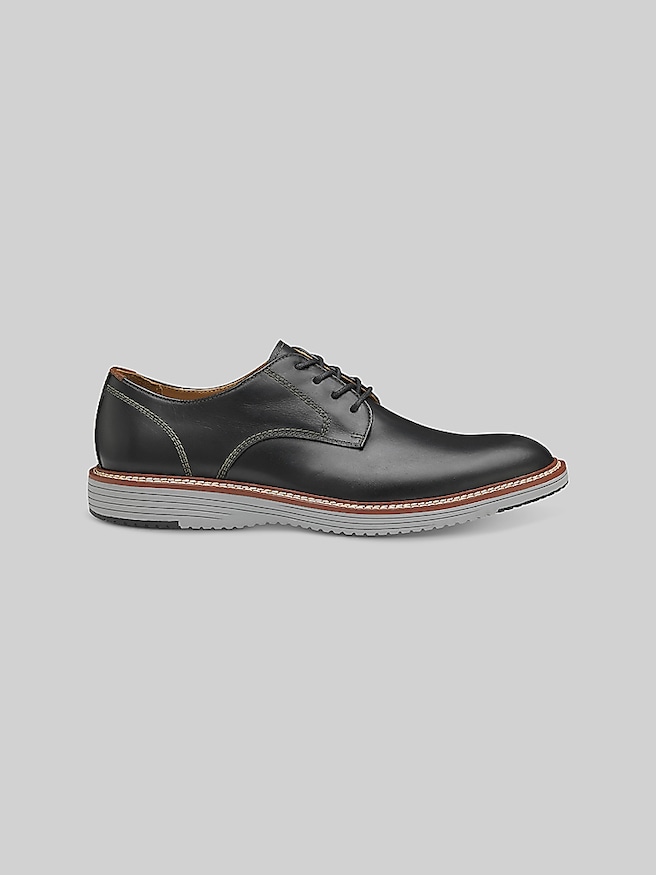
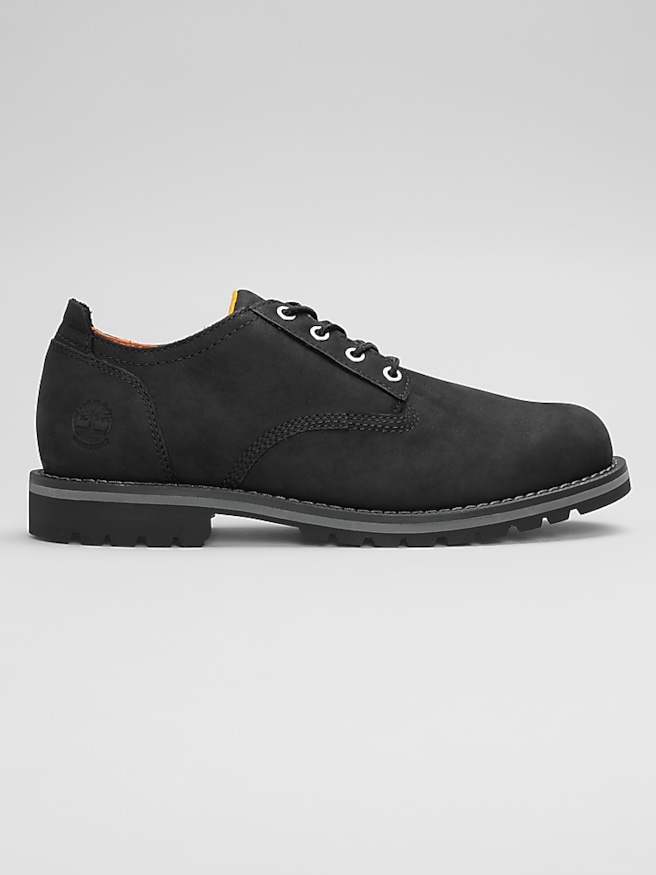
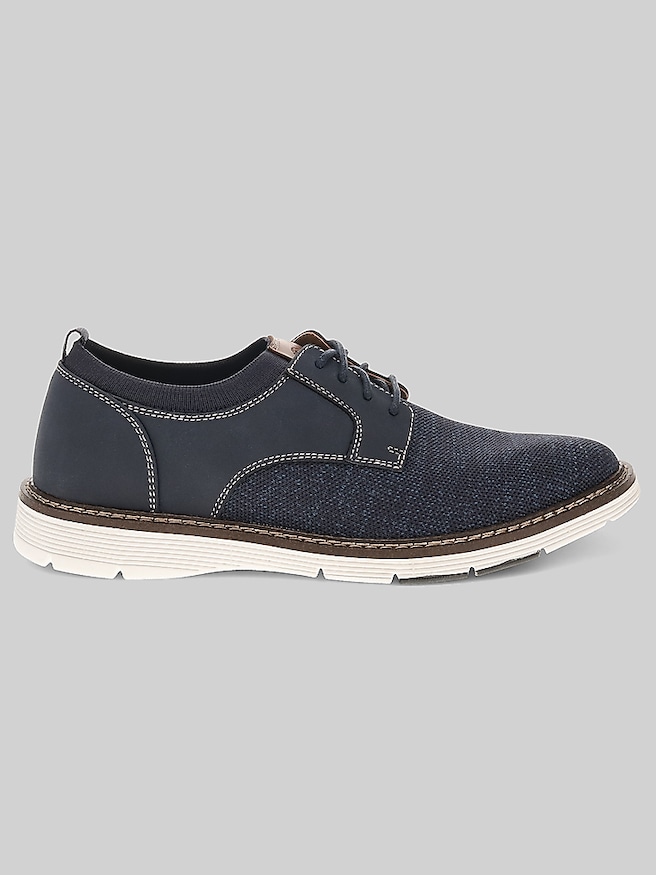
Walking oxfords are lace-up shoes that combine the polished appearance of a traditional oxford with comfort features designed for everyday walking. A classic oxford has closed lacing, with the lace tabs stitched beneath the front section of the upper for a neat, close-fitting profile. Walking-oriented designs build on that dress-shoe foundation with features such as cushioned footbeds, flexible forefoot construction, supportive midsoles, and practical outsoles. The result is footwear suited to days that involve more than sitting at a desk: walking from a transit stop to the office, moving between meeting rooms, or spending an afternoon at a conference before heading to dinner. Construction matters more than appearance alone. A substantial-looking sole is not necessarily supportive, and a soft footbed does not tell the whole story about how a shoe will feel after several hours. Comfortable walking depends on the relationship between cushioning, stability, fit, and flexibility. Leather uppers offer a refined finish and can gradually conform to the foot, while suede provides a softer texture that works well with less formal clothing. Synthetic materials can reduce weight or simplify care, depending on their construction. Breathable linings and smoothly finished interior seams can also make a noticeable difference during extended wear. Underfoot, foam cushioning may soften each step, while a rubber outsole can provide grip and a more forgiving feel than a rigid dress sole. Tread design, outsole material, and the surface underfoot all affect traction; no dress shoe should be assumed to be slip-resistant without a stated rating. A secure heel and a forefoot that bends near the ball of the foot help the shoe move naturally without feeling loose or unstable. For men who want a dressed appearance without changing shoes between the commute and the workday, walking oxfords occupy a useful middle ground between traditional dress footwear and casual sneakers. They are intended for everyday movement rather than running, hiking, or other activities that call for specialized footwear.
Fit is especially important in men's walking oxfords because even generous cushioning cannot compensate for cramped toes or a heel that repeatedly slips. The toe box should leave enough room for the toes to rest naturally without pressing against the sides or touching the front while walking. At the same time, excess length can allow the foot to slide forward, creating friction and making each step feel less controlled. The widest part of the foot should sit comfortably at the widest part of the shoe, and the upper should hold the midfoot securely without squeezing it. Laces allow useful adjustment across the instep, although they cannot correct a shape that is too narrow, too shallow, or simply wrong for the foot. Trying shoes on with the socks intended for everyday wear gives a more realistic sense of fit than using a much thinner or thicker pair. Feet can expand over the course of a day, so an afternoon fitting may help reveal pressure that is less noticeable earlier. A short walk across a room should feel smooth, with no rubbing at the heel, pinching across the toes, or hard edge pressing beneath the arch. Leather may soften with wear, but painful tightness should not be treated as a normal break-in requirement. Anyone who uses an orthotic should account for its thickness and check whether the shoe has a removable footbed and enough interior depth to accommodate it without crowding the foot. The same attention applies when comparing cushioning: a plush first impression can be appealing, but steady support and a secure fit often matter more during a full day of standing and walking. The related category of Comfortable Oxfords reflects that broader emphasis on wearability alongside a polished appearance. For walking-focused use, consider the entire shoe rather than a single comfort feature, including its weight, interior finish, heel hold, and the way the sole flexes through a normal stride. Both shoes should feel comfortable, since one foot may be slightly larger than the other.
The visual details of walking oxfords help determine where they fit into a wardrobe. A smooth upper, restrained stitching, and a relatively sleek sole lean more formal, making them natural companions for tailored trousers and office attire. A textured upper, rounded toe, or more substantial outsole gives the shoe a relaxed character that can work with chinos and dark denim. Black often creates a crisp finish with charcoal or navy clothing, while brown tones introduce warmth and pair easily with earth-toned trousers. Matching the overall level of formality matters more than following a rigid formula: an understated walking oxford can look appropriate beneath a tailored trouser hem, while a noticeably athletic sole will generally read as more casual. Durability depends on both construction and upkeep. Even stitching, secure sole attachment, a stable heel counter, and materials that hold their shape are useful qualities to examine. Some constructions allow professional resoling, while others are designed to be replaced once the outsole or cushioning is worn; repairability should be confirmed rather than assumed. Regular care helps preserve appearance and comfort. Dust and surface grit can be removed with a soft brush, and smooth leather can be cleaned and conditioned with products appropriate to its finish. Polish can restore color and luster where suitable, but suede calls for a suede brush and care products intended for its nap. Allowing shoes to air out between wears, loosening the laces before removal, and using a shoehorn can reduce unnecessary stress on the lining and heel. Properly sized shoe trees can help maintain shape without stretching the upper excessively. Uneven outsole wear, compressed cushioning, or a heel that no longer feels stable can signal that repair or replacement deserves consideration. Walking oxfords can also make a thoughtful graduation or career-milestone gift for someone building a professional wardrobe, provided the recipient's size, width, and preferred fit are known. Their value lies in a practical combination: enough polish for dressed occasions and enough everyday comfort to keep moving between them.