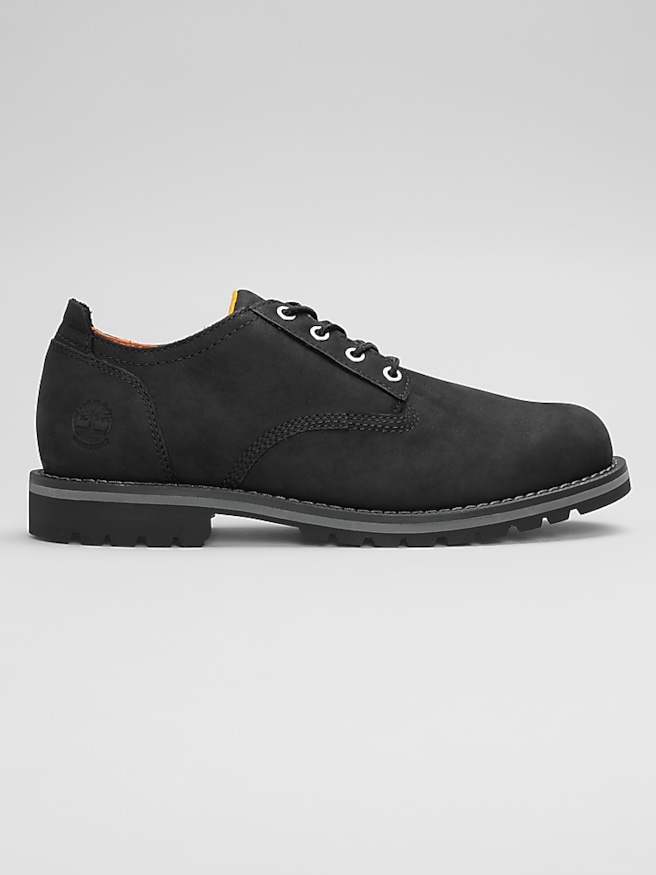
Fashionable oxfords bring a clean, structured finish to men’s outfits, pairing the familiar shape of a dress shoe with details that can feel understated, expressive, or somewhere in between. A true oxford has closed lacing: the sections holding the eyelets are stitched beneath the front portion of the upper, creating a neat profile across the instep. That construction distinguishes it from a derby, whose eyelet sections sit on top of the upper and open more freely. Within the oxford category, the range of looks is broad. A smooth plain toe keeps the silhouette simple, a cap toe adds a defined seam across the front, and broguing introduces decorative perforations along the edges. Wingtip detailing gives the shoe more visual texture, while a restrained cap-toe design often feels especially natural with business tailoring. Materials also influence the overall impression. Smooth leather can develop character with wear and usually responds well to regular conditioning and polishing. Suede has a softer, matte appearance that works particularly well with textured trousers and less formal jackets, though it needs care suited to its nap. Synthetic uppers can offer a uniform finish, with breathability and maintenance needs varying by material. Inside the shoe, lining quality, seam placement, and the feel of the footbed matter just as much as the exterior. Underfoot, leather soles offer a traditional dress-shoe profile, while rubber soles can provide useful grip and a more forgiving feel on hard surfaces. Cushioning and flexible sole designs may make some oxford-inspired styles feel closer to casual footwear, but the upper shape and detailing still determine how polished they look. The most versatile choice is not necessarily the most elaborate; it is often the pair whose proportions, finish, and comfort suit the clothes and occasions already in regular rotation.
Color gives fashionable oxfords much of their styling range. Black creates a crisp foundation beneath charcoal or navy tailoring and remains a dependable choice for presentations, ceremonies, and occasions with a formal dress code. A polished black cap toe can carry a dark suit without competing with a patterned tie or pocket square. Dark brown brings depth to navy, medium gray, and earth-toned clothing, making it useful for an office wardrobe that moves between full suits and separate jackets. Tan Oxfords introduce a lighter contrast with blue trousers, beige chinos, and textured sport coats, especially when the rest of the outfit has a relaxed but deliberate feel. Burgundy and deep reddish-brown tones provide another option for adding interest without relying on bold decoration. The finish matters alongside the color: a high shine reads dressier, while a softer polish or suede surface makes an outfit feel less formal. For a wedding guest wearing a tailored suit, a sleek leather oxford can keep the look cohesive from the ceremony through dinner. For someone moving from a desk to a client meeting, a balanced toe shape and discreet sole can work with both a suit and tailored separates. Brogued styles often sit comfortably with chinos and an unstructured jacket, while heavily distressed finishes or substantial soles shift the effect toward casual dressing. Trouser length helps establish the balance, too. A clean hem with little excess fabric lets the shoe’s shape show instead of burying it beneath folds. A belt in a related color and finish can tie the outfit together without requiring an exact match. As a gift for a graduate, a partner, or someone stepping into a new professional role, oxfords can be practical and personal when the recipient’s size, fit preferences, and usual dress code are known. A familiar silhouette in a frequently worn color is often more useful than an adventurous shape that calls for an entirely new wardrobe.
Fit determines whether that polished appearance holds up through a full day. Oxfords should feel secure at the heel and through the midfoot without squeezing the toes or pressing sharply across the instep. The toes need room to rest naturally, and the widest part of the foot should align with the widest part of the shoe. A long, tapered toe can look elegant, but its extra length does not necessarily mean the shoe has enough usable width. Trying dress shoes with the socks intended for regular wear gives a more realistic sense of fit, particularly for someone who alternates between thin dress socks and more cushioned pairs. Walking on a clean indoor surface can reveal heel movement, pressure points, or stiffness that is easy to miss while seated. Leather may soften with use, but persistent pinching, numbness, or pronounced heel slip signals a fit issue rather than a reliable break-in plan. For long stretches of standing at a reception or walking between meetings, cushioning, arch comfort, and sole flexibility deserve attention alongside appearance. Durability depends on materials, construction, use, and care rather than looks alone. Secure stitching, neatly finished edges, and a sole suited to the wearer’s routine help support everyday performance; some stitched constructions can also allow resoling, depending on the shoe. After wear, brushing away surface dirt keeps grit from lingering in seams and creases. Smooth leather benefits from an appropriate conditioner and polish, used according to the material’s care directions, while suede calls for a dedicated brush and compatible cleaning products instead of ordinary shoe cream. Cedar shoe trees can help absorb moisture and maintain shape, and a shoehorn reduces stress on the heel when putting shoes on. Allowing pairs to rest between wears helps the interior dry naturally. If shoes become damp, gentle air-drying away from direct heat protects the upper and its finish. With a comfortable fit and consistent care, fashionable oxfords can remain a reliable part of a wardrobe, adding definition to everyday tailoring and a considered finishing touch when the occasion calls for dressing well.