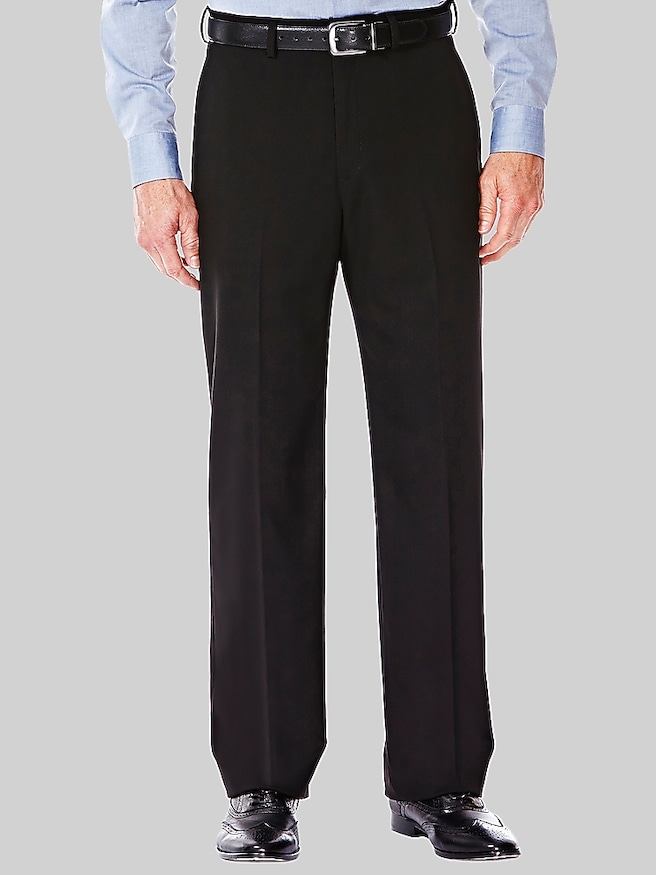
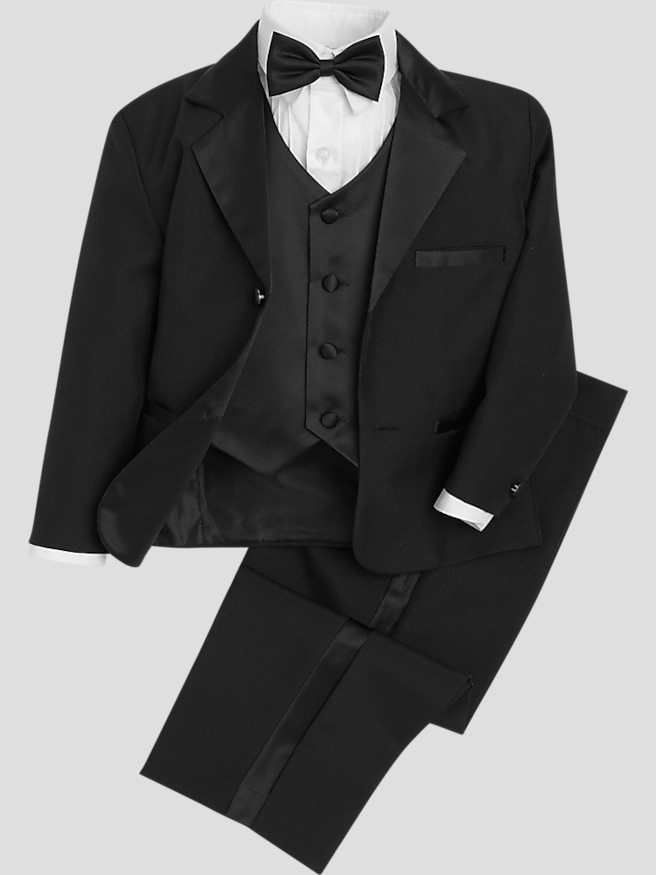
Tan suits bring a lighter neutral color to tailored dressing, offering an alternative to navy, charcoal, and black without losing the structure of a matching jacket and trousers. The color family ranges from pale sand and soft beige to deeper khaki and camel, with subtle variations that can make a suit look understated, earthy, or more expressive. A smooth fabric in a muted tan reads differently from a textured weave in a golden shade, even when the silhouettes are similar. That range makes men’s tan suits useful for wedding celebrations, graduation ceremonies, milestone dinners, and professional settings where lighter tailoring fits the dress code. For an office presentation or a client lunch, a tan two-piece suit with a white shirt and a restrained navy tie creates a polished look without feeling overly ceremonial. At a wedding, the same neutral foundation can complement the setting and the wedding party’s chosen palette; the Tan Suit For Wedding collection provides a focused starting point for occasion dressing. The invitation and venue still matter, since a tan suit is not a substitute for a tuxedo when black tie is required. Shirt and accessory choices have a noticeable effect against this light background. Crisp white emphasizes clean lines, pale blue provides gentle contrast, and muted pink or lavender introduces color without overwhelming the suit. A navy tie gives the outfit definition, while burgundy or forest green adds depth. Small patterns generally sit comfortably alongside a solid tan fabric, especially when the shirt remains simple. Medium-brown leather shoes create a cohesive finish, and darker brown shoes give the outfit a stronger visual anchor. Black footwear can work with a deliberate, high-contrast combination, particularly when another dark element connects the look. A belt close to the shoe color keeps the transition through the waist understated. Together, these choices let a tan suit move between relaxed celebrations and more structured occasions while maintaining a considered appearance.
Material, construction, and fit determine how a tan suit feels and how its shape holds up through repeated wear. Wool is valued for its drape and natural resilience, making it a practical foundation for tailoring that needs to recover from sitting and movement. Wool blends can combine that character with other fibers, though performance depends on the composition and weave rather than the word “blend” alone. Cotton often has a more matte surface and a firmer, less fluid appearance, giving a tan suit an approachable quality. Linen brings visible texture and characteristic creasing; those folds are part of its appearance rather than a sign that the fabric has failed. Blended fabrics may moderate some of these characteristics, but the care label remains the best reference for maintenance. Texture is especially noticeable in a light neutral: a fine weave looks clean and restrained, while a subtle twill or open weave gives the color more dimension. Jacket lining and internal construction also influence how the garment moves, supports the chest, and settles over the body. Fit should allow the fabric to hang smoothly rather than pulling across the front or gathering at the waist. The jacket’s shoulder line generally looks best when it follows the natural shoulder without an obvious overhang, and the collar should sit close to the shirt collar. When the jacket is buttoned, pronounced creases radiating from the fastening can signal that the body is too tight. Slim-fit tan suits offer a closer silhouette, while more relaxed cuts provide additional room through the chest, seat, and thigh; neither shape should restrict ordinary movement. Trousers need enough ease for sitting through a ceremony, driving to an event, or moving around a reception. A clean hem with a modest break creates a traditional finish, while little or no break gives a sharper line. A three-piece tan suit adds a vest for a more layered appearance, with the vest fitting smoothly over the shirt and covering the trouser waistband. Thoughtful alterations can refine sleeve length, trouser length, and waist fit, but substantial shoulder problems are usually better addressed through a better-fitting cut.
The usefulness of a tan suit extends beyond wearing both pieces together, although its texture and construction influence how naturally the pieces work as separates. A less structured tan jacket can pair comfortably with navy trousers or dark, clean denim for a dinner or a professional gathering with a relaxed dress code. A sharply tailored jacket in a smooth suiting fabric may look more convincing with its matching trousers than with casual denim. Tan suit trousers can also work with a fine-gauge navy sweater or a neatly pressed button-down shirt, creating an outfit that feels complete without the jacket. Wearing the pieces together regularly helps keep their appearance consistent; if one piece receives much more wear or cleaning, the color and surface can gradually diverge. Care matters particularly with lighter tailoring, where marks are easier to notice. Emptying pockets after wear prevents unnecessary strain, and a broad, shaped hanger supports the jacket’s shoulders better than a thin wire hanger. Trousers benefit from being hung neatly rather than left folded over a chair, where persistent creases can form behind the knees. Allowing the suit to air between wears and gently brushing away surface dust can reduce unnecessary cleaning. Stains deserve prompt attention according to the fabric’s care instructions, without vigorous rubbing that can spread a mark or disturb the weave. Professional cleaning should follow the garment label, and matching pieces are generally best cleaned together to help preserve an even appearance. Pressing requires similar care, since excessive heat or pressure can leave shine on some fabrics. For someone building a tailored wardrobe, a tan suit can add variety alongside darker staples; for an established suit wearer, it offers another way to dress for celebrations and less conservative professional occasions. As a gift, the strongest choice depends on the recipient’s measurements, preferred silhouette, and actual dress requirements. A suit that fits comfortably and suits the wearer’s routine has lasting value beyond a single event. With suitable care and considered styling, tan tailoring can remain a distinctive, useful part of a men’s wardrobe.