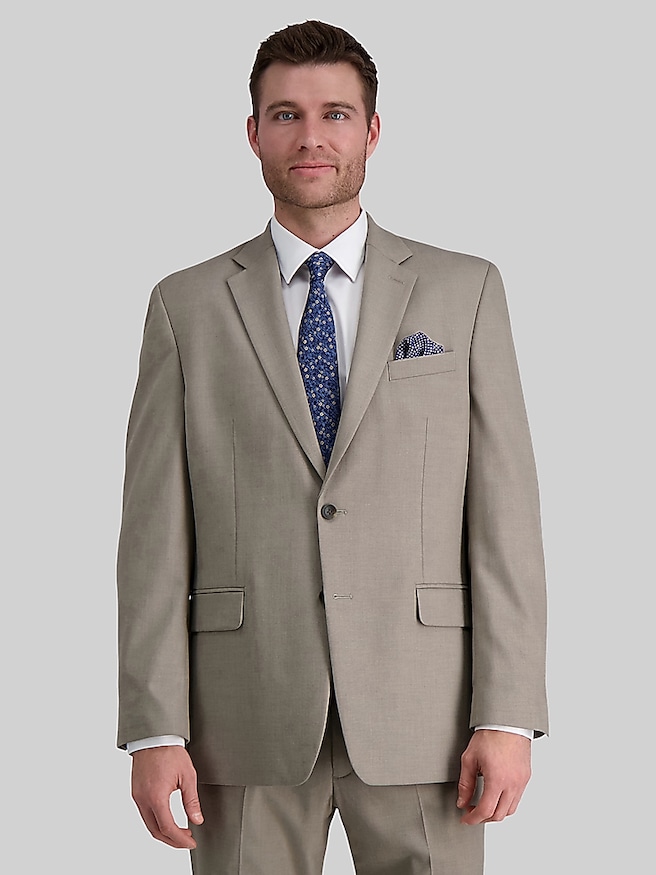
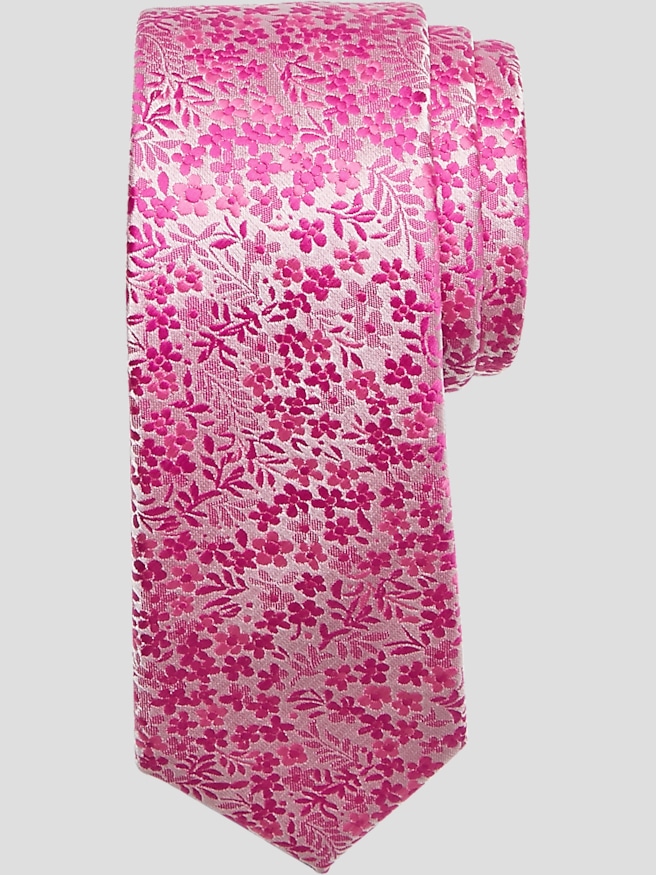
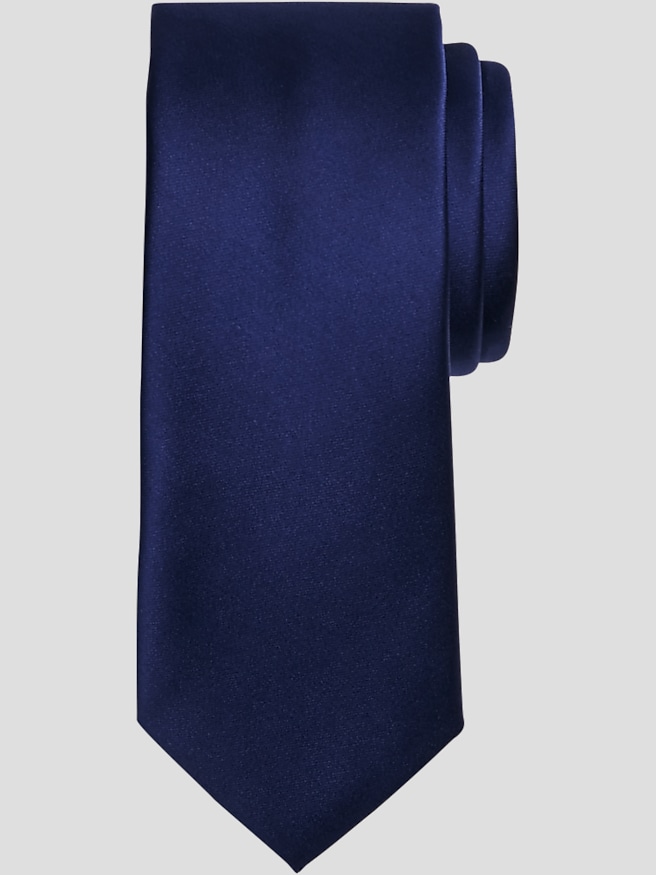
Tan ties bring a soft, earthy neutral to tailored outfits, pairing naturally with navy, charcoal, medium gray, brown, and olive suits. The color family spans pale sand and beige through wheat, camel, and deeper golden tan, so even a simple solid necktie can change the character of a familiar jacket. A sandy shade against a crisp white shirt creates a restrained contrast, while a richer camel tone gives a pale blue shirt more definition. With navy tailoring, tan offers a lighter alternative to burgundy or dark blue without making the outfit feel overly casual. With gray, it introduces warmth that keeps the combination from looking flat. The distinction between the tie and shirt matters as much as the color names: a beige tie close to an ivory shirt can blend into the background, while a deeper tan or a visible woven texture helps separate the two. Patterns offer another way to establish that contrast. Small geometric motifs, narrow stripes, subtle dots, and tonal designs can add detail without competing with the rest of the outfit. A solid tan tie is especially useful beside a checked shirt or patterned jacket because it gives the eye a quieter place to rest. When both the shirt and tie have a pattern, differences in scale help them remain distinct; a fine shirt stripe, for example, can sit comfortably behind a larger, more widely spaced tie motif. Tan also works with white pocket squares, brown leather shoes, and understated metal accessories, though the tie does not need to match every accessory exactly. A pocket square that repeats a small amount of the tie’s color often looks more considered than an identical fabric match. These combinations make tan neckties useful for office wardrobes, wedding attire, graduation ceremonies, and dinners where a jacket and tie suit the setting. Their appeal comes from that balance: enough color to soften dark tailoring, but enough restraint to remain polished in photographs, across a conference table, or beside a wedding party dressed in coordinated neutrals.
Fabric and construction give tan ties much of their personality. Silk can have a smooth surface and gentle luster, or a more pronounced weave that makes the same shade appear deeper and less reflective. A smooth silk tie generally complements dressier tailoring, while textured silk adds dimension to a plain shirt without relying on a bold print. Linen and cotton tend to have a more matte appearance, with natural surface variation that suits less structured jackets and relaxed dress codes. Wool brings a soft, substantial texture that pairs well with similarly textured tailoring. Polyester and blended fabrics can offer shape retention and resilience, although the feel, drape, and care requirements depend on the particular fabric and construction. Knit ties introduce a visibly open texture and often a squared end, giving a jacket-and-trousers outfit a less traditional finish. None of these materials determines quality by itself; stitching, lining, fabric recovery, and the way the tie hangs all contribute to its appearance over time. A well-balanced tie lies smoothly rather than twisting, and its lining supports the knot without making it unnecessarily bulky. Width is another important proportion. Slim ties often measure around 2 to 2¾ inches at the widest point, while traditional widths commonly fall around 3 to 3½ inches, though sizing varies. The most harmonious choice usually relates to the jacket’s lapels and the wearer’s overall proportions rather than a single universal measurement. Length matters just as much: when tied, the front blade should generally finish near the waistband or belt buckle, with the narrow end contained behind it. Taller wearers or those with larger neck measurements may need extra length, especially for a fuller knot. A four-in-hand creates a relatively compact, slightly asymmetric shape that suits many collars. A half-Windsor offers a more balanced triangle, while a fuller Windsor takes up more space and uses more fabric. Thicker ties can form substantial knots even with a simple tying method, so collar opening, tie thickness, and knot size work best when considered together.
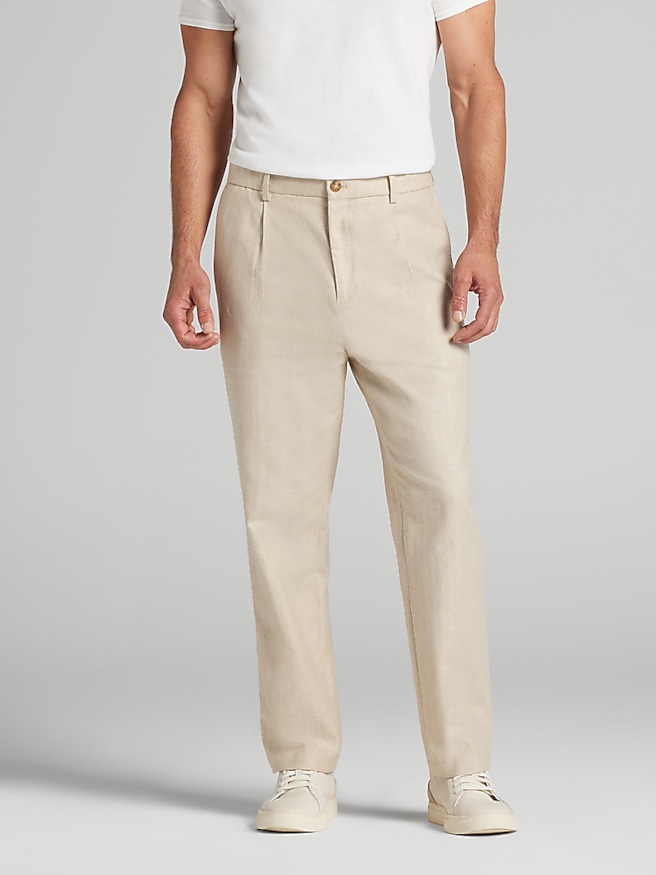
A tan necktie earns its place in a wardrobe through repeat use, whether it is worn with the same navy suit for business appointments or worked into several jacket-and-trouser combinations. A navy blazer, white shirt, and Tan Pleated Pants create a coordinated foundation, with a tie in a deeper tan or a subtle pattern adding definition rather than blending into the trousers. Brown shoes can continue the earthy palette without needing to match the tie precisely. For a wedding party, ties within the same tan color family can connect several outfits, but differences in sheen and undertone become noticeable when people stand together. Consistent fabric and shade create a more uniform result; intentionally varied textures produce a looser, coordinated effect. Wedding guests can use tan to complement navy or gray tailoring while still following the stated dress code. A tan necktie is not a substitute for the bow tie traditionally associated with black-tie attire, so the invitation remains the deciding factor for formal events. As a gift, a tan tie can be a practical choice for someone who regularly wears blue shirts, dark suits, or neutral separates. Familiarity with the recipient’s usual tie width, preferred fabrics, and shirt collars makes the selection more personal than color alone. Thoughtful care helps preserve that usefulness. After wearing, undoing the knot rather than pulling the narrow end through a tight loop reduces unnecessary strain on the fabric and seams. Ties benefit from time to relax between wears and from storage that avoids sharp folds or pressure. Clean, dry hands help protect lighter shades from marks, and prompt attention to spills can prevent a small spot from becoming more difficult to address. Care labels should determine the cleaning method, particularly for silk, wool, and lined constructions that may respond poorly to water or direct heat. Gentle handling and appropriate cleaning help maintain the tie’s shape, texture, and clean finish.