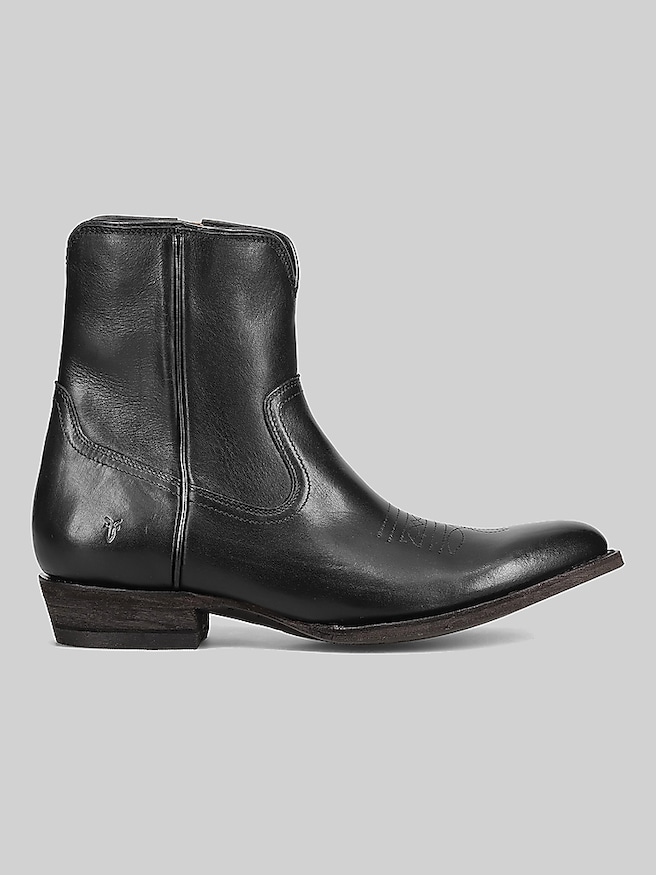
Tan boots are a versatile footwear choice defined by their light brown color, with shades ranging from sandy beige and honey to warm camel and golden brown. That lighter finish gives a familiar boot silhouette a more relaxed character while remaining easy to pair with everyday menswear. Materials and construction shape the overall impression: smooth leather can look clean and polished, suede has a soft, textured surface, and nubuck offers a finely brushed finish with a more understated appearance. Synthetic uppers provide another option, though their feel, breathability, and care requirements vary by construction. Tan Chelsea boots typically feature elastic side panels and a pull-on design, creating a streamlined profile that works well beneath straight-leg or tapered pants. Chukka boots generally have ankle-height uppers and a small number of lace openings, making them a natural match for chinos and casual trousers. Taller lace-up styles bring more visual weight, while western-inspired shapes add distinctive stitching, heels, or toe profiles. The best match depends less on the color alone than on the combination of leather texture, toe shape, shaft height, and sole thickness. A smooth, plain-toe boot with a restrained sole can complement navy trousers and a button-down shirt for a business-casual office; a suede pair with a rounder toe feels at home with dark denim and an unstructured jacket. Tan also works particularly well with olive, charcoal, cream, and blue, creating contrast without the sharpness of black footwear. With tailored clothing, a slimmer boot usually maintains a cleaner line at the ankle, while substantial soles suit heavier denim and more relaxed proportions. These boots can serve as everyday footwear for commuting, casual dinners, travel, and social gatherings where a polished but approachable appearance fits the setting. They are generally a casual or business-casual choice rather than a substitute for footwear specified by a strict formal dress code. For a deeper color palette with a similar range of styling possibilities, Brown Boots offer a useful point of comparison.
Fit matters as much as appearance, especially when boots need to stay comfortable through a full day of sitting, walking, and standing. A well-fitting pair should hold the foot securely without squeezing the toes or pressing sharply across the instep. There should be room for the toes to move naturally, and the widest part of the foot should sit comfortably within the boot’s forefoot. Slight heel movement may occur in some new leather boots, but pronounced slipping, rubbing, or forward sliding can indicate a mismatch in size or shape. The socks intended for regular wear affect that fit, so a boot that feels roomy with thin dress socks may fit quite differently with a thicker pair. Width deserves separate attention from length; choosing a longer size does not necessarily solve a narrow forefoot. Lace-up boots allow adjustments across the instep, while Chelsea boots depend more on the shape of the upper and the tension of the elastic panels. Leather may soften with wear, but a painful fit should not be treated as something that will reliably disappear. Underfoot, cushioning can soften the feel of each step, while footbed shape and arch support influence comfort over longer periods. Removable insoles may be useful for someone who uses compatible personal inserts, provided the boot has enough interior space. Outsoles also affect intended use: rubber can provide flexibility and grip, leather soles offer a traditional dress-oriented appearance, and pronounced tread gives a boot a more rugged profile. Actual traction depends on the sole compound, tread design, and walking surface, not color or appearance. For travel days that involve airport corridors and several blocks on foot, secure fit and comfortable cushioning deserve more attention than decorative details. Construction contributes to longevity as well. Even stitching, securely attached soles, and reinforced high-stress areas are useful details to examine. Some welted designs can be resoled by a qualified shoe repair professional, although repairability depends on the individual construction. A rugged-looking boot should not be assumed to provide workplace safety protection unless it carries the appropriate specifications.
Keeping tan boots looking their best starts with care suited to the upper material, particularly because lighter surfaces can make marks and uneven darkening more noticeable. Smooth leather generally benefits from removing loose dirt with a soft brush or cloth before applying an appropriate cleaner or conditioner. Products should be compatible with the leather’s finish, and testing a small, inconspicuous area helps reveal whether a treatment changes the color. Conditioner can help maintain leather’s suppleness, but too much may leave residue or deepen a pale tan shade. Polish is most appropriate for finishes designed to accept it; a neutral option may preserve the original tone better than a poorly matched tinted product. Suede and nubuck require their own brushes and cleaners rather than standard leather polish. Gentle brushing can lift the nap and loosen surface debris, while stubborn marks may need a material-specific treatment or professional attention. Synthetic materials should be cared for according to their instructions rather than treated automatically like leather. After cleaning, boots should dry naturally away from direct heat. Shoe trees can help support the shape of suitable leather footwear, and breathable storage keeps pairs from sitting compressed beneath other shoes. Allowing boots to air out between wears also gives the interior time to dry. Regular attention to worn heel edges, loose stitching, and thinning soles can make small repair needs easier to address before they become larger problems. In an outfit, tan boots do not require every accessory to match exactly. A brown leather belt in a compatible tone often creates a cohesive look without making the combination feel overly coordinated. Dark jeans with a clean hem highlight the lighter color, while khaki chinos create a quieter, tonal effect. For gifting, tan boots can be a thoughtful choice for a birthday, graduation, or personal milestone when the recipient’s size, preferred fit, and everyday wardrobe are known. Someone who usually wears streamlined office clothing may appreciate a simpler shape, while a denim-focused wardrobe may suit more substantial detailing. The strongest choice balances that personal style with practical comfort, dependable construction, and a care routine the wearer can comfortably maintain.