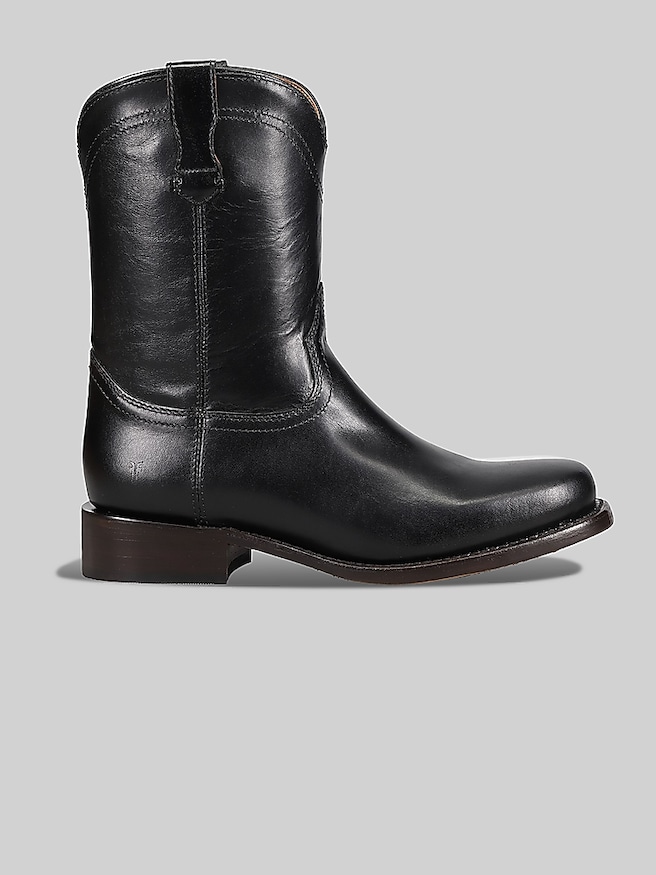
Western boots bring a distinctive shape to a wardrobe: a taller shaft, a defined heel, and a toe that gives the entire outfit its direction. Their roots in ranch work and riding help explain those features, but their appeal extends well beyond a saddle. A pair can feel at home with straight-leg denim at a concert, add character to a casual dinner outfit, or complement tailored clothing at a celebration with a Western dress code. The details make a difference. Understated stitching and a smooth leather finish create a cleaner look, while contrasting embroidery, textured leather, and more pronounced toe shapes give the boots a stronger presence. Rounded toes tend to look relaxed, square toes offer a broader silhouette, and pointed profiles lend a sharper finish; actual comfort depends on the interior shape rather than the appearance alone. Color also affects how easily boots fit into an existing wardrobe. Brown leather pairs naturally with indigo denim, earth-toned trousers, and a leather belt in a similar shade. For a more streamlined combination, black cowboy boots work well with dark denim, charcoal pants, and simple shirts that let the footwear carry the Western character. The balance matters more than matching every accessory. A belt with restrained hardware and a shirt with subtle texture can support the look without making it feel like a costume. Trouser shape deserves attention, too: a straight or bootcut leg typically falls more easily over the shaft, while a narrow opening may bunch or catch. The hem should drape naturally over the boot without dragging beneath the heel. For dressier occasions, a clean finish and a less pronounced heel can help bridge the gap between traditional Western styling and tailored clothing, provided the occasion’s dress code allows it. Boots do not need elaborate surroundings to make an impression; good proportions and a comfortable fit usually do more than an outfit filled with competing details.
Materials and construction shape how Western boots feel from the first fitting through repeated wear. Smooth leather can develop creases and a gradual patina, giving the surface character as it conforms to movement. Full-grain leather retains the hide’s natural surface, including variations that distinguish one pair from another, while other leather finishes may create a more uniform appearance. Suede has a softer, textured look but needs care suited to its nap. Synthetic materials have their own maintenance requirements and may respond differently to conditioning, so the material label is a useful starting point. Inside the boot, the lining, footbed, and room around the toes matter as much as the exterior. A secure fit should hold the instep comfortably without squeezing, with the ball of the foot positioned near the widest part of the boot. The toes need space to rest naturally rather than pressing against the front or sides. Some heel movement can occur in new pull-on boots, but excessive sliding, persistent rubbing, or a foot that shifts noticeably with each step suggests the fit needs another look. Leather may soften with wear, yet break-in should not be expected to correct a boot that is too short or painfully tight. Trying boots with the socks intended for everyday wear provides a more useful assessment than relying on size alone. Anyone using an orthotic should also account for the space it occupies. Underfoot, leather soles offer a traditional profile, while rubber soles can provide cushioning and traction depending on their design. Neither appearance nor sole material alone establishes suitability for every activity. Long stretches of walking, time spent standing, and riding each place different demands on footwear. A Western silhouette does not automatically indicate protective work features or riding suitability. Construction also influences durability: consistent stitching, secure sole attachment, and supportive heel structure are useful details to examine. Some stitched designs may be resoled, although repair options depend on the boot’s construction and condition.
Regular care helps Western boots keep their shape, finish, and comfort without stripping away the character that develops through wear. Dust and surface grit are worth removing before they settle into seams or scrape the leather during cleaning. A soft brush or cloth is often appropriate for smooth leather, followed by a cleaner and conditioner compatible with the finish when needed. Conditioning should be measured rather than heavy-handed; excess product can alter the color or leave buildup, and a small test on an inconspicuous area helps reveal how the material responds. Suede calls for a suitable brush and products formulated for its textured surface instead of ordinary leather polish. Decorative stitching, mixed materials, and specialty finishes may need additional attention to the maker’s care directions. After cleaning, boots should dry naturally away from direct heat, which can affect leather and adhesives. Boot trees or shaft supports can help preserve the silhouette in storage, and giving footwear a chance to air out between wears helps manage moisture inside. Heel wear is another detail to watch. When one edge becomes noticeably worn down, addressing it early may help prevent uneven footing and further damage. For someone who reaches for boots regularly, maintenance is part of keeping a familiar pair comfortable enough for another dinner, dance, or day of errands. Western boots can also make a thoughtful gift for a recipient who already enjoys the style, whether that means a longtime country music fan, a frequent dance-floor regular, or someone building a wardrobe around denim and leather. Size, preferred toe shape, usual sock thickness, and shaft height all affect whether the gift feels personal and practical. Looking at the footwear the recipient already wears can offer clues, though fit can vary between designs. The strongest choice reflects how the boots will actually be worn: understated enough for frequent use, distinctive enough to feel special, and comfortable enough to become part of an everyday routine.