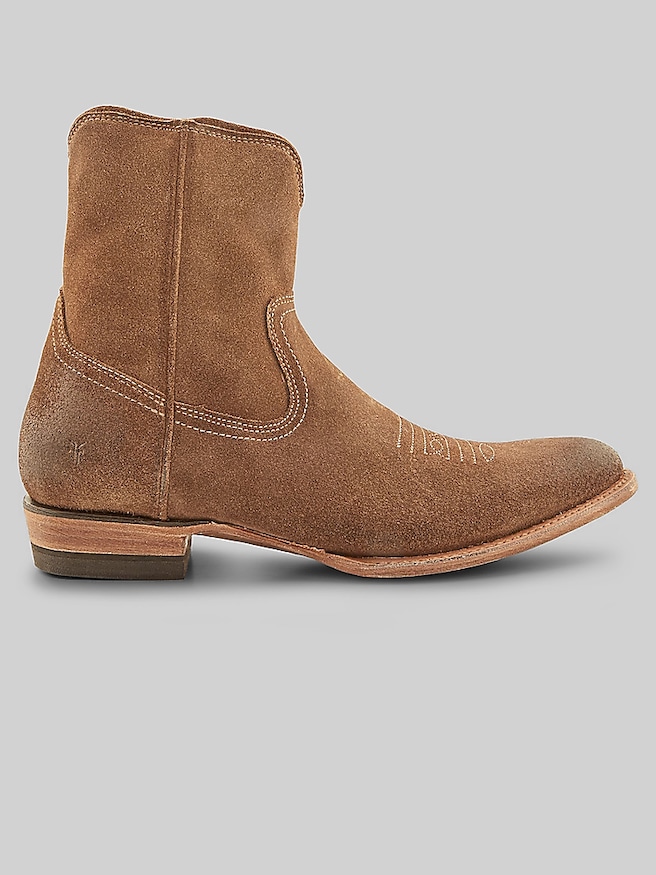
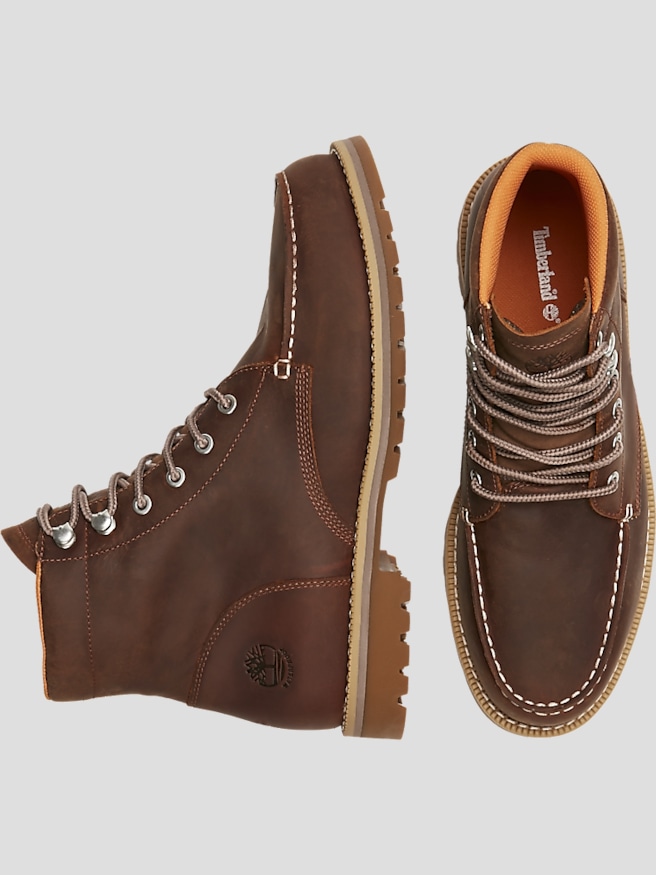
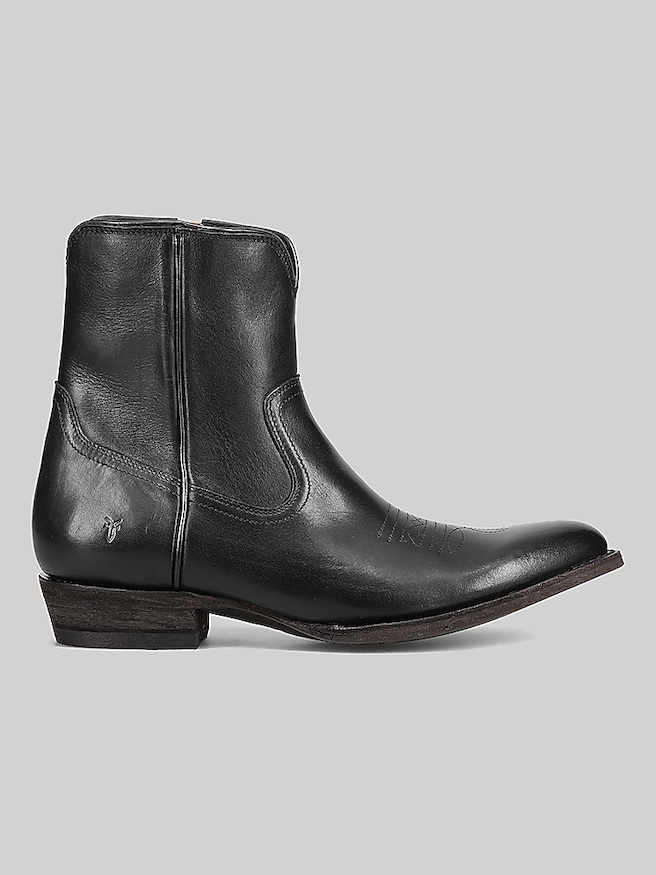
Black cowboy boots bring a recognizable Western shape to a wardrobe without limiting it to Western clothing. Their tall shafts, shaped heels, and distinctive toes come from a riding tradition, but their appeal extends to everyday outfits, live music venues, and celebrations with a relaxed dress code. Black gives that familiar silhouette a clean, understated finish: stitching can blend into the shaft, polished leather can catch the light beneath a trouser hem, and a simple vamp can keep the focus on the boot’s shape. For men who wear jeans most days, black Western boots offer an alternative to lace-up footwear with a little more character. For someone dressing for a country concert or a ranch-style wedding, they can establish the tone of an outfit without requiring an embroidered shirt or a large buckle. Dark indigo denim, charcoal trousers, and black jeans all work naturally with black boots, though the leg opening needs enough room to fall over the shaft without catching. Straight-leg and bootcut shapes often make that easier; very narrow hems can bunch around the ankle or reveal the outline of the boot beneath the fabric. A modest break at the hem keeps the proportions tidy, while excess length can drag and fray. With a sport coat and an open-collar shirt, a restrained pair can feel dressed up without looking like conventional dress shoes. Smooth finishes and subtle stitching generally create a quieter impression than bold overlays or heavily textured leather. Black also provides a useful contrast to earth-toned clothing, while Brown Leather Boots offer another direction for outfits built around tan, olive, and blue. The distinction is less about strict matching rules than the overall effect: black tends to draw a crisp outline, whether the rest of the outfit is simple denim or softly tailored clothing. A black leather belt can tie those elements together, particularly when its finish has a similar level of shine.
Materials and construction influence how black cowboy boots feel, age, and suit a particular routine. Smooth cowhide is a familiar choice, valued for its balance of flexibility and resilience, while suede has a softer, more casual appearance and calls for its own cleaning tools. Embossed surfaces, decorative stitching, and contrasting textures add visual depth, but appearance alone does not establish durability. Leather quality, seam placement, lining, outsole attachment, and the structure beneath the foot all contribute to long-term performance. Full-grain leather retains its natural grain surface and may develop creases and character with wear; corrected or coated finishes can produce a more uniform look and may need care suited to the coating. Synthetic uppers have their own maintenance requirements, so the material description matters more than assumptions based on color or shine. Underfoot, leather outsoles have a traditional appearance, while rubber outsoles may provide more cushioning or traction, depending on their compound and tread. Neither material guarantees grip on every surface. A smooth sole that feels comfortable across a dining room may behave quite differently on a slick entryway or loose gravel. Heel height and shape also affect the experience: a lower, broader heel may feel more familiar for extended walking, while a taller, angled Western heel changes the stance and profile. Toe shape deserves similar attention. Rounded, square, and pointed silhouettes can each look appropriate with denim, but the internal shape must accommodate the foot rather than simply match a preferred style. Decorative Western boots should not be assumed to provide jobsite protection or to be suitable for riding. Those uses call for purpose-built features, and riding footwear also needs appropriate compatibility with the stirrup. For dinners, social gatherings, or routine wear, comfort, finish, and freedom of movement usually matter more than specialized construction. The most useful choice reflects where the boots will actually spend their time, not just how they look standing still.
Fit is especially important with pull-on cowboy boots because there are no laces to adjust pressure across the instep. A well-fitting boot generally feels secure over that area without squeezing, leaves room for the toes to move, and supports the foot without sharp pressure along the sides. A small amount of heel movement can be normal in a new pair as the sole begins to flex, but pronounced lifting, rubbing, or sliding deserves attention. The foot should not have to grip with the toes to keep the boot in place. A pointed toe may extend beyond the toes by design; that extra space is not automatically a sign that the boot is too long. Width, instep volume, and heel hold are more revealing than the visible length alone. Trying boots with the socks intended for regular wear helps give a realistic impression, as does walking far enough to notice pressure at the ball of the foot and contact around the calf. Leather can soften and conform somewhat, but break-in should not be expected to correct painful tightness or inadequate length. Shaft circumference matters, too, both for comfort and for how smoothly pants drape. These details make black cowboy boots a thoughtful gift for a Western-style enthusiast, a frequent concertgoer, or someone who appreciates distinctive footwear, provided the recipient’s sizing and fit preferences are known. Once the fit is right, consistent care helps preserve the finish and structure. Loose dirt can be removed with a soft brush; smooth leather can be wiped with a lightly damp cloth and treated with a compatible conditioner as directed. Suede needs products intended for its nap rather than ordinary polish. Testing treatments in an inconspicuous spot helps prevent unwanted changes to the surface. Black polish can refresh suitable smooth finishes, though it will not repair deep cuts or damaged seams. Allowing boots to dry naturally away from direct heat, supporting their shape in storage, and addressing worn heels before wear reaches deeper layers can help keep a favorite pair comfortable and presentable.