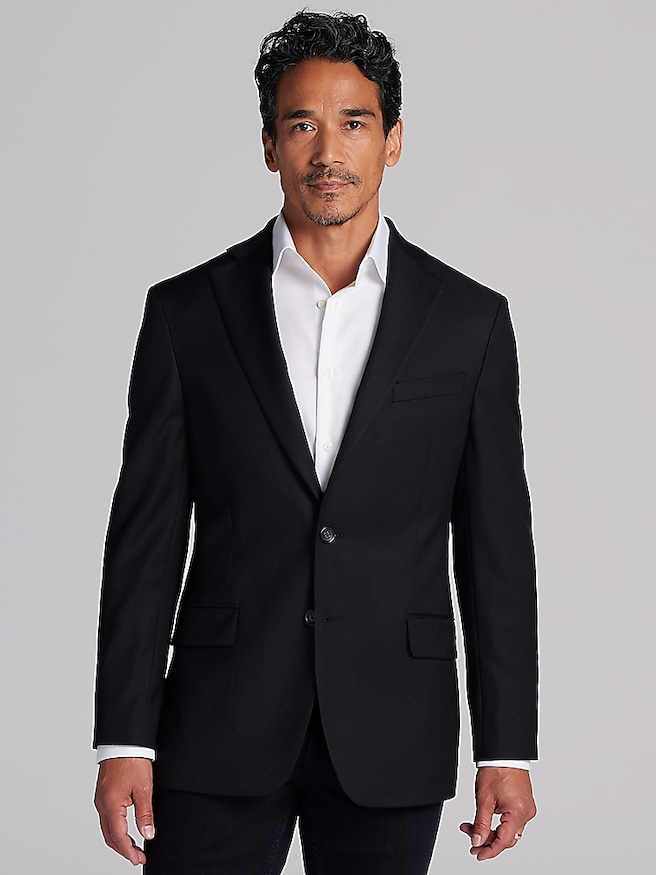
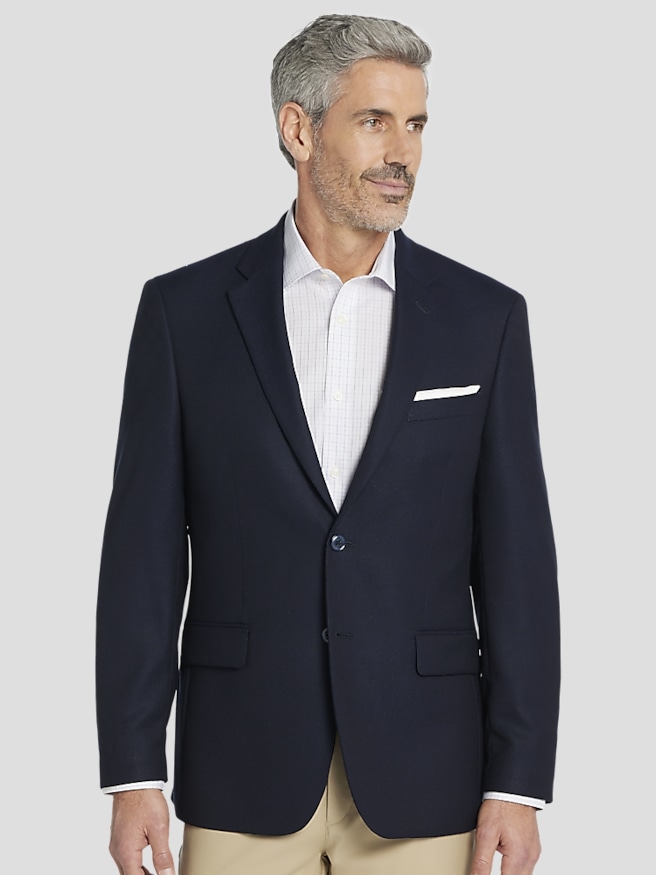
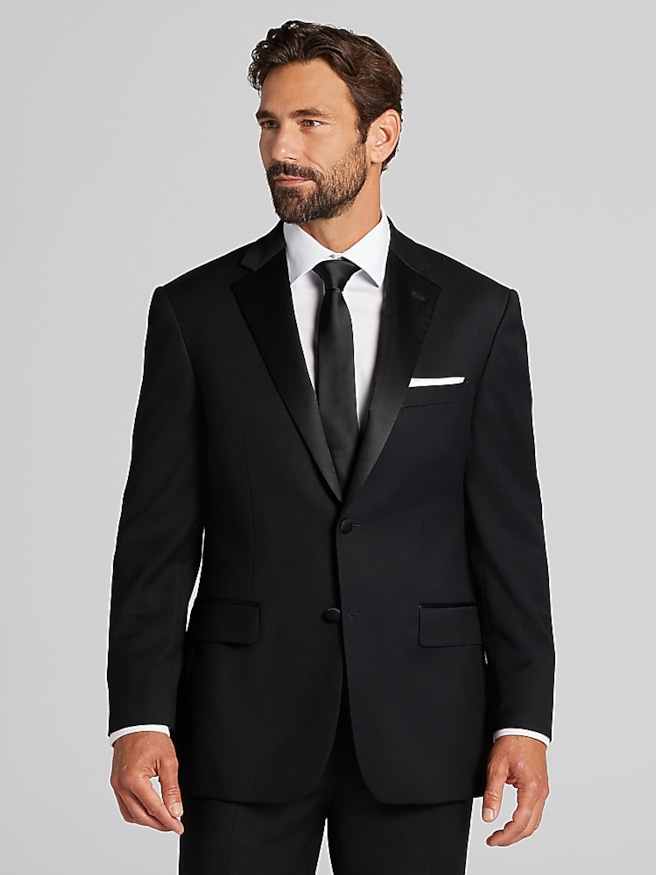
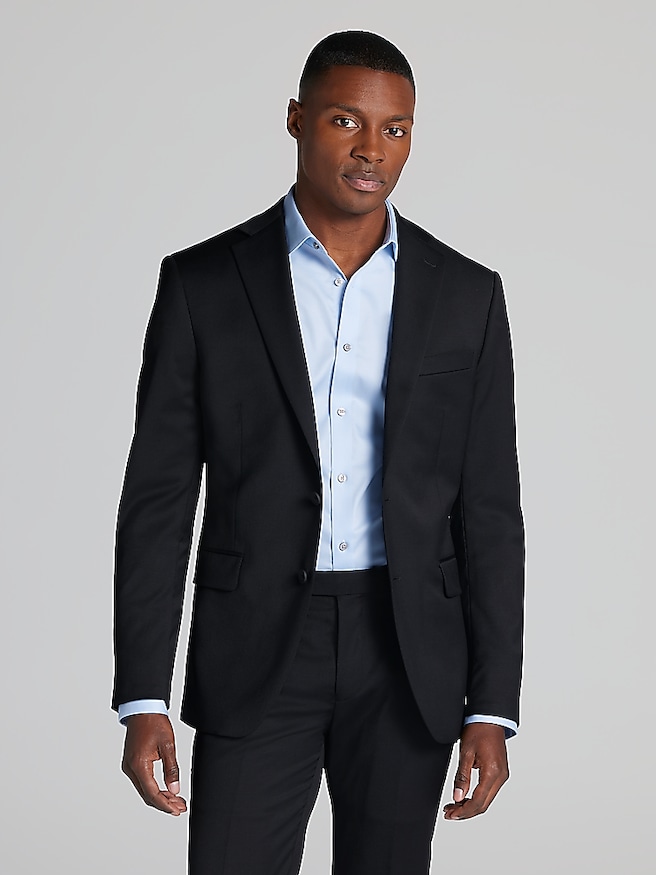
A tailored black coat is structured outerwear with a defined shoulder line, a shaped body, and a clean drape, bringing some of the polish of a suit to a layer designed for cooler weather. The term “tailored” describes the silhouette and construction; it does not necessarily mean the coat was made to an individual’s measurements. Black gives that silhouette a quiet versatility, looking equally appropriate over charcoal trousers on a workday or dark denim for an evening out. Its appeal comes from proportion as much as color: a lapel that sits flat, sleeves that hang smoothly, and a hem that moves without flaring can make even a simple outfit look considered. Single-breasted coats have one front column of buttons and a relatively clean, understated appearance, while double-breasted coats use an overlapping front and two columns of buttons for a more pronounced, traditional shape. Notch lapels tend to feel familiar and adaptable; peak lapels add a sharper accent that complements dressier clothing. Length also changes the character of the coat. A mid-thigh cut can feel easy to manage during a commute, while a knee-length silhouette provides more coverage and a longer visual line over tailored clothing. For anyone wearing a suit underneath, the coat should generally cover the jacket hem rather than leave it peeking out. These details matter in ordinary moments: stepping from a train platform into an office, walking a few blocks to dinner, or arriving at a formal gathering with outerwear that belongs with the clothes beneath it. During the cooler months, tailored black coats can serve professionals, wedding guests, and anyone who prefers a defined shape to a bulky casual layer. They also make thoughtful gifts for someone building a work wardrobe or marking a career milestone, provided the recipient’s measurements, layering habits, and preferred coat length are understood. The strongest choice is not necessarily the most formal one, but the shape that fits naturally into the wearer’s routine.
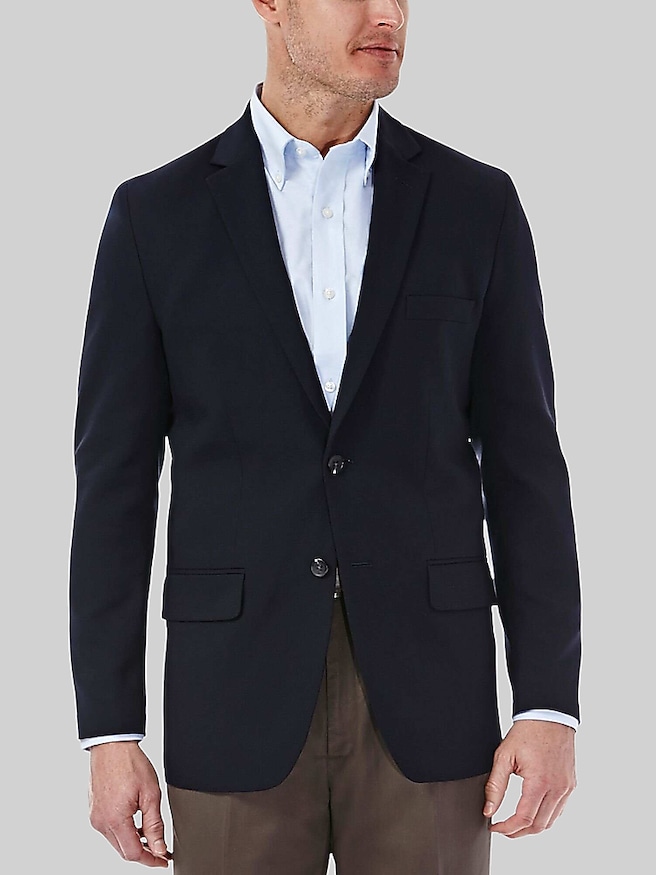
Fabric gives a black tailored coat much of its feel, warmth, and staying power. Wool is a traditional choice because its natural crimp helps trap insulating air, and a well-constructed wool cloth can hold a shaped silhouette without appearing stiff. Densely woven or felted fabrics, including melton, typically have a compact surface that suits clean seams and defined lapels. Wool blends vary considerably: added fibers may influence abrasion resistance, weight, softness, or ease of care, so the fiber label is more useful than a broad fabric description alone. Cashmere and cashmere blends can offer a softer hand, though softness does not automatically translate to greater durability or protection from rough daily wear. A brushed surface gives black fabric a muted, tactile appearance, while a smoother finish tends to emphasize the cut and can look especially crisp with dress trousers. Warmth depends on fabric weight, weave, lining, coverage, and the layers worn underneath—not simply on whether a coat contains wool. A lighter construction may be comfortable between a parking garage and an office; longer walks in cold air can call for denser cloth and enough space for knitwear. A tailored coat should not be assumed to be waterproof, and persistent rain or wet snow may require outerwear specifically designed for those conditions. Fit is just as practical as fabric. The shoulders should lie neatly without forcing the upper arms inward, and the front should close over normal layers without pulling into an X around the fastening. There should be enough room to reach forward, sit down, and carry a bag without the back feeling strained. Trying a coat over the clothing it will accompany, including Tailored Suit Jackets, helps establish whether the chest, sleeves, and armholes allow comfortable movement. Coat sleeves generally need to cover the jacket sleeves beneath them, with the exact length balanced against hand movement and personal preference. A close silhouette can still be comfortable; tailoring should create shape through thoughtful proportions rather than tightness.
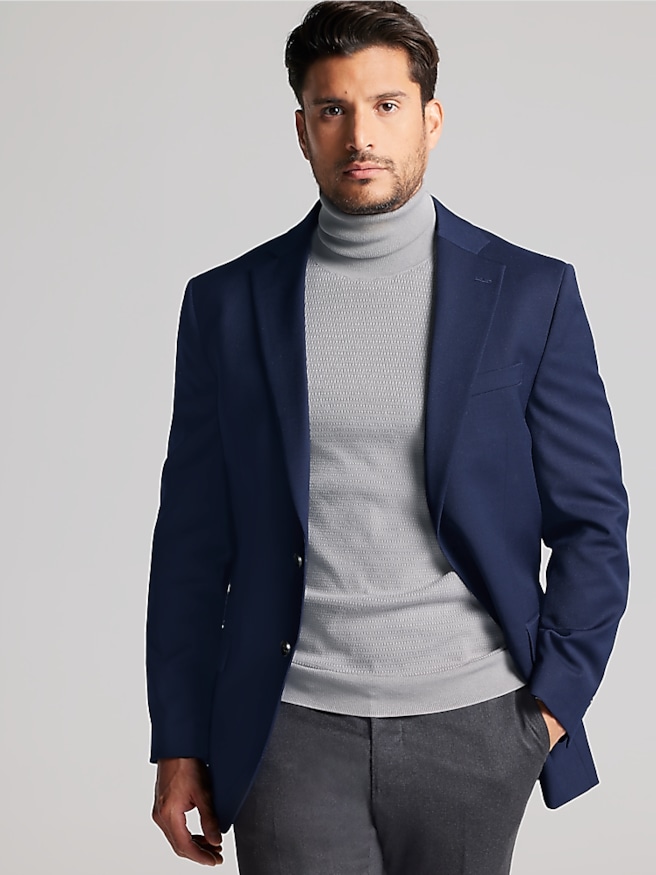
The usefulness of a tailored black coat becomes clear across the outfits it can finish. Over a navy suit and white shirt, it creates a restrained contrast without competing with a patterned tie. Over a fine-gauge turtleneck and gray trousers, the same dark outline feels less formal but still deliberate. A textured sweater, straight dark jeans, and leather boots bring it into a relaxed setting, particularly when the coat has a softer shoulder and an uncomplicated front. Scarves offer another way to adjust both comfort and appearance: charcoal keeps the palette tonal, while camel or muted burgundy adds distinction without overwhelming the coat. Everyday construction details deserve attention alongside styling. A smooth lining helps the coat slide over sleeves rather than bunch them; a back vent allows the hem to move during a longer stride. Secure buttons, tidy buttonholes, even stitching, and neatly finished pocket openings are useful signs to examine, especially on a coat expected to handle frequent commuting. Pockets are convenient for gloves and small essentials, but heavy loads can pull them out of shape over time. Lasting good looks also depend on care suited to the fabric and construction. The care label should set the cleaning method, since many structured wool coats need professional cleaning rather than machine washing. Between cleanings, gentle brushing with a suitable garment brush can lift surface dust, and a lint roller used lightly can remove pale fibers that show readily against black cloth. Allowing the coat to air after wear and hanging it on a broad, supportive hanger helps maintain the shoulder shape. If it becomes damp, let it dry naturally away from direct heat before storing it. Avoid crowding it tightly into a closet, where lapels and sleeves can stay compressed. For longer storage, a clean, fully dry coat kept in a breathable garment bag is better protected from dust. With appropriate care, sound construction, and room for the right layers, a tailored black coat can remain a dependable part of a wardrobe through repeated seasons of workdays, celebrations, and evenings out.