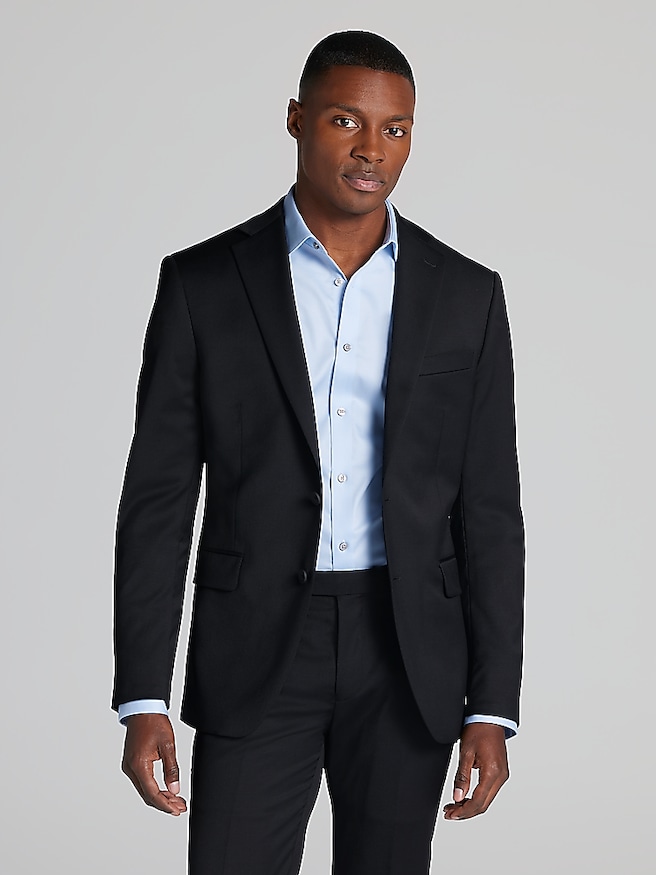
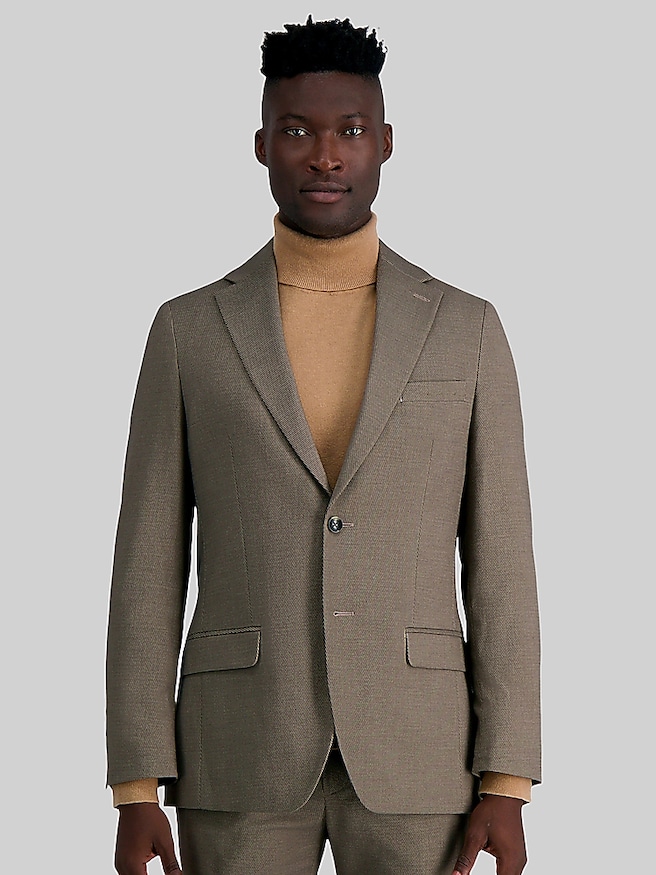
Tailored formal wear brings a sense of intention to dressing for important moments. Whether you are preparing for a wedding, gala, evening celebration, ceremony, client presentation or another event with a polished dress code, the right formal look should feel composed without making you feel confined. “Tailored” may refer to clothing designed with a structured, refined silhouette, as well as garments adjusted to suit your individual measurements. In either case, the goal is a clean line from shoulder to hem, balanced proportions and enough ease for natural movement. A well-chosen formal outfit should sit smoothly when you are standing, remain comfortable while seated and keep its shape as you move through a reception, walk into a meeting or greet guests. For professional settings, explore Tailored Business Suits for polished options that can transition from the office to formal events. When selecting tailored formal wear, begin with the occasion and its expected level of formality. A black-tie celebration calls for a different degree of refinement than a daytime ceremony or an evening business function, while the season, venue and time of day can also influence the overall impression. During the cooler months, richer textures and deeper, versatile tones can create a thoughtful appearance, while lighter fabrics and understated details may feel more natural in heated interiors or during daytime gatherings. A coordinated formal wardrobe can also be a practical gift for a graduate, a young professional beginning a new career or someone preparing for a wedding, interview or milestone celebration. Giving formal wear is especially meaningful when it helps the recipient feel ready for occasions that may otherwise arrive with little notice.
Fit is the defining detail of tailored formal wear, and careful attention to measurements can make an ordinary silhouette look remarkably polished. The shoulder should rest close to the natural edge of the body without collapsing or extending beyond it; this is one of the most important areas to assess because shoulder alterations are often more limited than adjustments elsewhere. The sleeve pitch describes the angle at which a sleeve hangs from the shoulder, and a proper pitch allows the arm to fall naturally rather than creating twisting, diagonal creases or a stiff appearance. The chest should close comfortably with a smooth front, while the waist can be shaped to remove excess boxy fabric without restricting movement. This taper is particularly useful for creating a sharp profile that still allows room for sitting, reaching and moving through a busy day. Sleeves should reveal a subtle amount of the shirt cuff, and trousers should break cleanly over the shoe without pooling heavily at the ankle. These details are small when viewed individually, yet together they create the confident, balanced appearance associated with custom tailoring. Measurements are only the beginning; posture, body proportions and the way a person moves can all affect how formal clothing sits. A fitting or professional alteration can refine the shoulder line, adjust sleeve and trouser lengths, shape the waist and improve comfort. It is helpful to bring the shirt, shoes or other layers you expect to wear with the outfit, since collars, cuffs and footwear can change the way proportions appear. A final try-on with all essential accessories is often where the look comes together, revealing whether the jacket drapes smoothly, whether the trousers remain comfortable when seated and whether every layer works as a complete ensemble.
Fabric, color and finishing details provide the character of tailored formal wear while helping it suit the setting. A smooth, structured fabric can convey ceremony and authority, while a softer weave may offer comfort for long celebrations, travel or extended hours on the dance floor. Consider breathability, wrinkle resistance and the amount of care required, particularly when the outfit will be worn for destination events or packed for a trip. Neutral shades are valued for their versatility because they can be styled for several occasions with changes in shirts, ties, footwear or pocket details. Subtle patterning can add depth without overwhelming a formal setting, and restrained contrast often photographs well under both natural and indoor lighting. Lapel shape, button placement and other finishing details should support the wearer’s proportions and the tone of the event rather than compete for attention. For formalwear rentals or one-time occasions, accurate measurements, timely fittings and an early reservation can help ensure the right size and a comfortable final fit; for a purchase intended to serve across many events, prioritize construction, adaptability and the likelihood of wearing it with different accessories. Tailored formal wear can become a dependable part of a wardrobe when it is selected with real life in mind: a jacket that feels comfortable through a long ceremony, trousers that move easily from dinner to dancing, and a polished finish that remains appropriate as the setting changes. Before an event, allow time for alterations, pressing and a complete outfit check. Keep the clothing on a proper hanger, follow the care instructions and store accessories together so the finished look is easy to recreate. With thoughtful fit and practical planning, formal attire feels less like a costume reserved for rare occasions and more like a reliable expression of personal style, ready for celebrations, professional milestones and the meaningful gatherings that take place during the cooler months.