Summer outfits for men bring together lightweight clothing, breathable fabrics, and comfortable fits for warm-weather workdays, weekends, travel, and celebrations. The most useful combinations feel appropriate to the occasion without adding unnecessary weight: a polo with chinos for a casual office, a linen shirt with shorts for an afternoon outdoors, or a lightweight suit for a wedding. Fabric makes a noticeable difference in how these clothes feel over several hours. Linen has an airy texture and a naturally relaxed appearance, with creases that become part of its character. Cotton offers familiar softness, although a dense cotton fabric can feel substantially heavier than an open weave. Seersucker has a puckered surface that keeps portions of the fabric away from the skin, while lightweight wool can provide breathability and a polished drape for tailored clothing. Blends may add stretch, improve shape retention, or soften the crispness of another fiber; the fabric weight and construction matter as much as the fiber name. Fit also affects comfort. A shirt needs enough room across the shoulders and chest to move without pulling, and pants should allow comfortable sitting without excessive fabric gathering at the waist. A slim silhouette can still feel easy when the proportions suit the wearer. Light neutrals such as stone, cream, and pale gray create a soft foundation, while navy, olive, and muted blue add depth without making an outfit feel visually heavy. Texture can supply interest where bold patterns are not wanted, especially in woven shirts, subtly textured jackets, and knit polos. For someone building a practical summer wardrobe, pieces that work across several combinations offer everyday usefulness. A shirt that looks finished untucked with shorts may also sit neatly beneath a casual jacket, provided its length and shape suit both uses. The result is summer clothing that feels considered rather than complicated, with enough flexibility for a morning commute, lunch outside, or an evening gathering. Small details, including a comfortable collar and sleeves that do not bind, often determine which clothes become regular favorites.
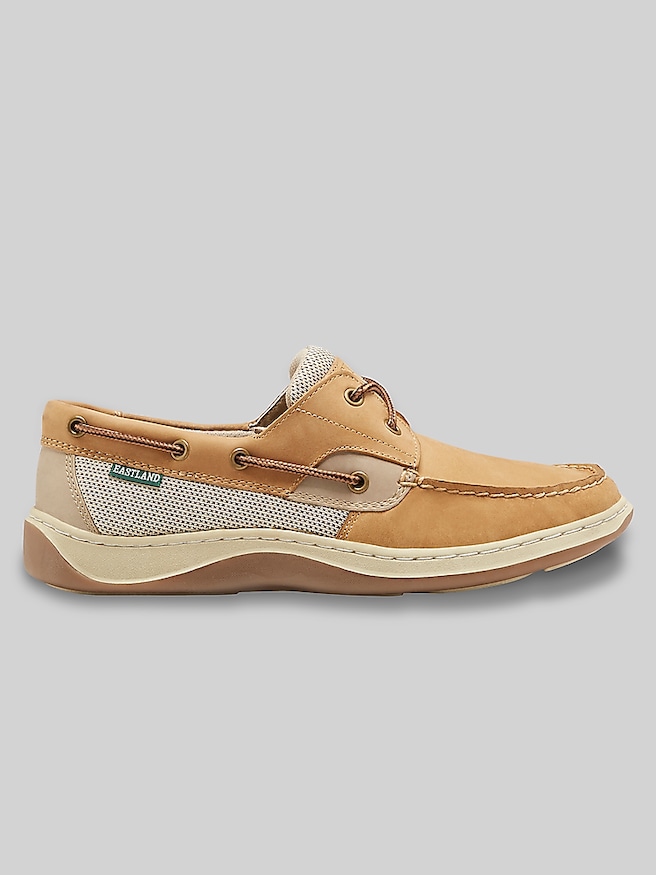
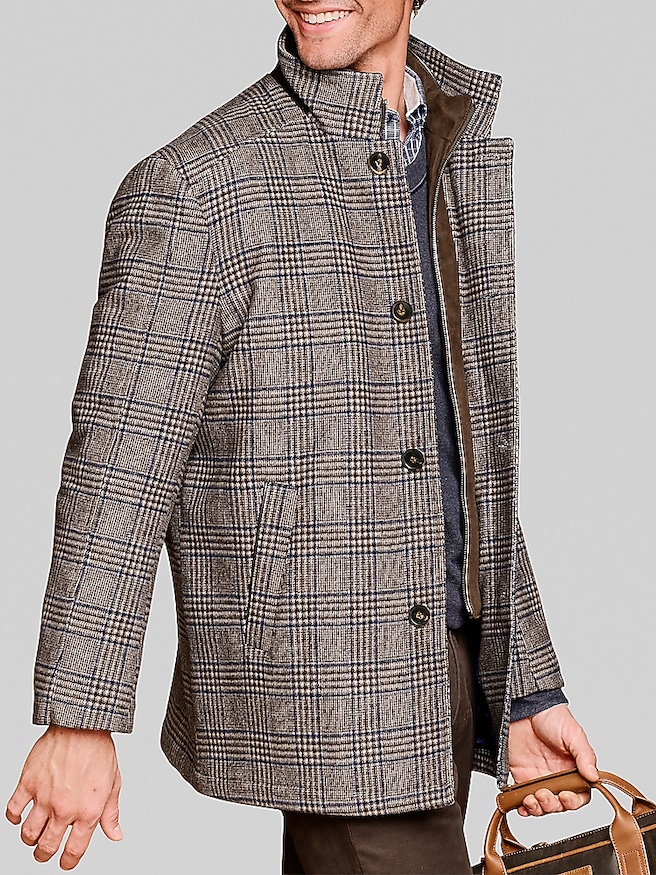
Summer dressing spans a broad range of occasions, and the setting usually determines how relaxed an outfit can be. For workplaces with a business-casual dress code, lightweight chinos and a tucked-in woven shirt provide structure without the formality of a full suit. A polo can serve a similar purpose in a more relaxed office, particularly when the collar holds its shape and the hem sits cleanly. Outdoor celebrations call for attention to both comfort and the invitation: a garden wedding may suit lighter-colored tailoring, but the stated dress code still takes priority. Less heavily lined jackets can feel less bulky, while a clean shoulder line and properly hemmed pants preserve the finished appearance expected at a special event. Shirts should sit smoothly under a jacket rather than bunching through the sleeves or waist. For dinners, graduation gatherings, and daytime parties, a patterned shirt can provide the focal point, with quieter pants and shoes keeping the combination balanced. Small checks, restrained stripes, and subtle botanical patterns each create a distinct mood without requiring an elaborate outfit. Casual weekend clothing has its own practical considerations. Shorts need a waistband that stays comfortable when seated and a length that works with the wearer’s proportions; excessive width or an overly tight leg can make the whole outfit feel awkward. A knit shirt offers softness for long afternoons, while a woven shirt supplies a little more definition for a restaurant stop afterward. For seaside lunches and time along the boardwalk, Summer Beach Outfits center on easy layers, comfortable proportions, and clothing suited to a relaxed coastal setting. Footwear should reflect the actual plans, since walking several blocks, standing through a reception, and spending time near sand place distinct demands on support and construction. Breathable socks, smooth interior seams, and a secure fit can matter more over a long day than a shoe’s appearance alone. Belts and other accessories work best when they support the outfit rather than compete with it, whether that means simple leather accents for tailored clothing or a quieter finish for casual separates.
Care and durability are important parts of choosing summer outfits, especially for clothing worn often or packed for travel. Lightweight does not have to mean fragile, but finer fabrics benefit from thoughtful handling. Secure buttons, even stitching, and well-finished seams help clothing stand up to regular movement and repeated wear. Areas such as collars, cuffs, pocket openings, and inner thighs tend to experience more friction, making fit and construction especially relevant there. Care labels provide the most reliable direction for washing, drying, and pressing, since two garments with similar textures may require distinct treatment. Some cotton clothing can be machine washed, while structured jackets, certain blends, and delicate finishes may need professional care. Excessive dryer heat can contribute to shrinkage or affect stretch fibers, so the recommended drying method deserves attention. Prompt treatment of perspiration marks, sunscreen residue, and food spills can help prevent lingering discoloration, using a method appropriate to the fabric. Clothes should be fully dry before storage, and tailored pieces benefit from hangers that support their shape. For travel, versatile colors and compatible layers reduce the need for a separate outfit for every activity. A lightweight jacket can provide a finished look for dinner and a useful layer in strongly air-conditioned interiors, while shirts with manageable care requirements simplify repeated wear away from home. Linen’s natural creasing suits a relaxed trip; anyone who prefers a consistently smooth appearance may be more comfortable with a fabric designed for easier wrinkle recovery. Summer clothing can also make a thoughtful gift for a father, partner, graduate, or friend with a trip or celebration ahead. Familiar measurements, preferred fits, and realistic care habits make a better starting point than guessing at a new style. Across everyday and occasion dressing, lasting usefulness comes from the same qualities: fabrics that feel good against the skin, proportions that allow natural movement, and construction suited to the way the clothing will actually be worn.