Summer occasion outfits for men bring together breathable fabrics, comfortable tailoring, and the level of polish an event calls for. Outdoor weddings, graduation celebrations, garden parties, and evening receptions each have their own atmosphere, but the most useful clothing balances that setting with the invitation’s dress code. A ceremony on a sunlit lawn may call for a suit with a light, easy drape, while a dinner on a restaurant terrace can feel complete with a sport coat, tailored trousers, and an open-collar shirt. Fabric makes a meaningful difference across those settings. Linen has a distinctive texture and naturally relaxed appearance, with creases that become part of its character rather than looking out of place. Cotton offers a familiar feel and can appear crisp or casual depending on its weave and finish. Linen blends can soften the rumpled effect of pure linen, although wrinkle resistance depends on the full fiber blend and construction. Lightweight wool is another option for dressier occasions, particularly in open weaves that allow air to circulate while maintaining a defined silhouette. Fabric weight alone does not determine comfort: a tightly woven cloth with substantial lining can feel warmer than an airy weave with lighter internal construction. Unlined and partially lined jackets often have a softer feel, while more structured tailoring can provide the shape expected at a formal reception. Pale gray, stone, tan, and soft blue reflect the easy character of summer dressing, but navy and deeper neutrals remain useful for evening events and more traditional celebrations. Color is only one part of the impression. A smooth finish generally looks dressier than a coarse texture, and a coordinated suit carries more formality than separates, even when both use similar shades. These differences give summer occasion clothing a broad range, from relaxed daytime gatherings to celebrations where a tie and a neatly tailored jacket are part of the setting.
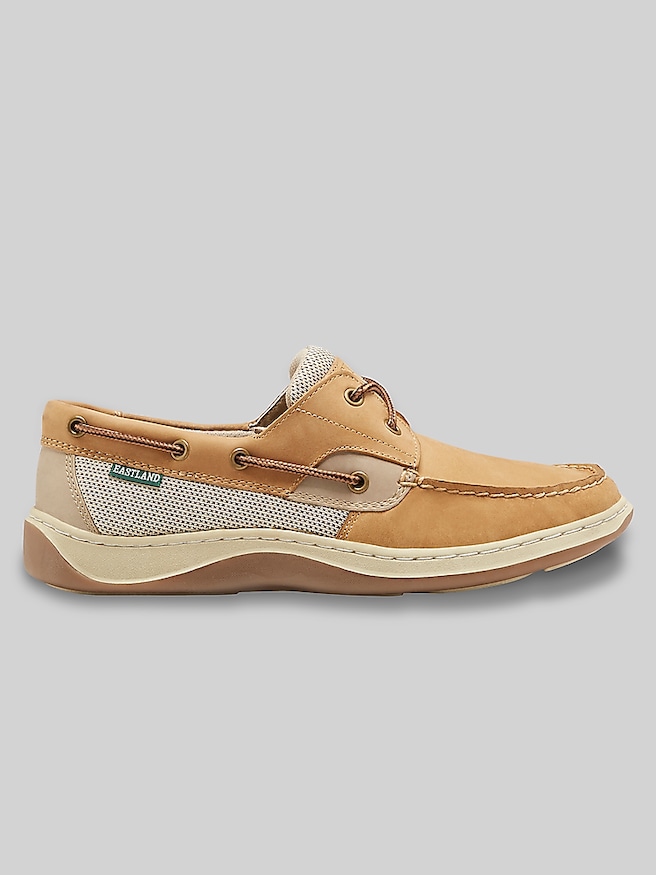
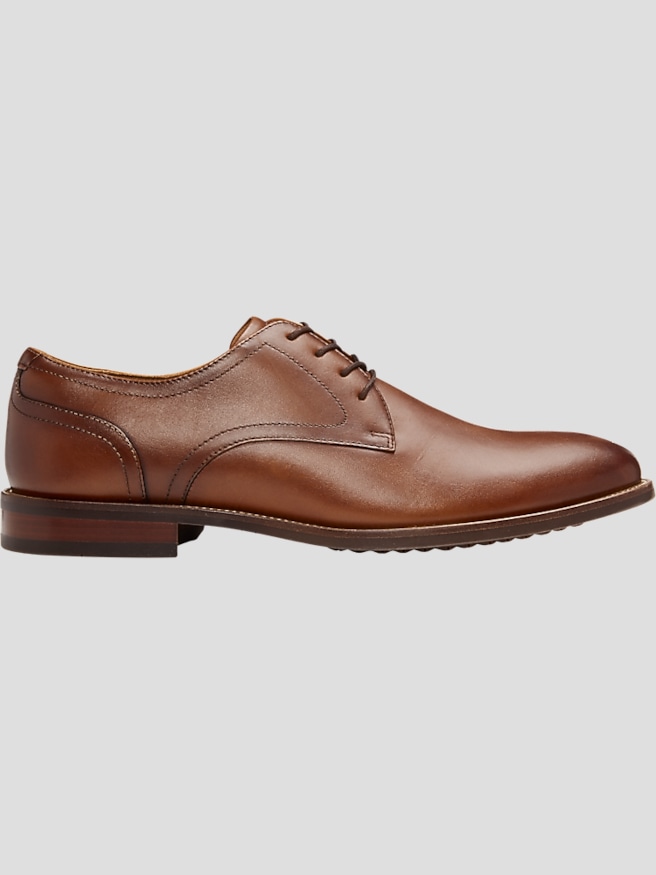
Fit gives lightweight clothing its shape without sacrificing the movement needed for a full day of celebrating. A jacket should sit cleanly across the shoulders, with enough room through the chest to button without pulling and enough ease to reach forward for a handshake. Trim tailoring can look sharp, but fabric that strains across the back or thighs is less comfortable for seated dinners, travel between venues, and time on the dance floor. Trousers with a clean seat and a smooth line through the leg create a composed silhouette; the hem can have a slight break or a shorter finish depending on the cut and the formality of the outfit. Shirts benefit from similar attention, especially at the collar and across the shoulders. An open collar works best when it holds its shape beneath a jacket, while a collar worn with a tie needs comfortable space at the neck. For a daytime garden reception, textured tailoring, a pale shirt, and understated leather footwear can feel polished without appearing overly formal. An evening cocktail celebration may suit deeper colors, a finer fabric finish, and a tie that adds contrast without overwhelming the outfit. Black-tie occasions still call for the requested formal attire, even when the venue is outdoors or near the water. The relaxed textures associated with Summer Beach Outfits also have a place at coastal celebrations when the invitation allows a less structured approach. Sand, grass, and uneven paths make stable footwear and comfortable trouser lengths practical considerations, while indoor receptions may place greater emphasis on a traditional dress finish. Accessories provide a finishing touch rather than a competing focal point. A subtly patterned tie, a softly folded pocket square, or a belt coordinated with the footwear can connect the colors already present. Smaller patterns tend to blend into the overall look from a distance, while stronger checks and brighter accents make a more noticeable statement in photographs. The result can feel personal while remaining appropriate for the host, venue, and occasion.
Summer occasion clothing also earns its place through repeat use, dependable construction, and care suited to the fabric. A jacket with secure seams, neatly finished buttonholes, and lining that lies smoothly is better prepared for repeated movement than one that pulls or twists when worn. Trousers need comfortable room at stress points, particularly through the seat and upper leg, while shirts benefit from well-attached buttons and clean stitching around the collar and cuffs. No single fiber guarantees durability; weave, fabric weight, construction, and care all contribute to how clothing holds up. Linen’s tendency to crease does not make it unsuitable for celebrations, but it does create a more relaxed finish than tailoring designed to maintain a crisp crease. Cotton can wrinkle as well, and some blends need lower heat to protect their surface and shape. Care labels remain the most reliable reference for washing, pressing, steaming, and professional cleaning. Between occasions, broad jacket hangers help support the shoulders, and properly hung trousers are less likely to develop unwanted folds. Clothing should be clean and completely dry before being put away, with enough space around it to avoid crushing. For destination weddings and other trips, a garment bag and careful folding can reduce heavy creasing, though fabric-specific pressing or steaming may still be needed after unpacking. Versatility matters just as much as upkeep. Neutral tailoring can support several combinations across rehearsal dinners, family celebrations, and dressier social events, with changes in shirts and accessories giving each outfit a distinct character. These pieces can also make thoughtful gifts for graduates, fathers, or someone building a wardrobe for upcoming invitations, especially when sizing and personal style are already known. The strongest summer occasion outfits feel comfortable through the ceremony, the meal, and the last conversation of the evening, with enough structure to honor the event and enough ease to enjoy it.