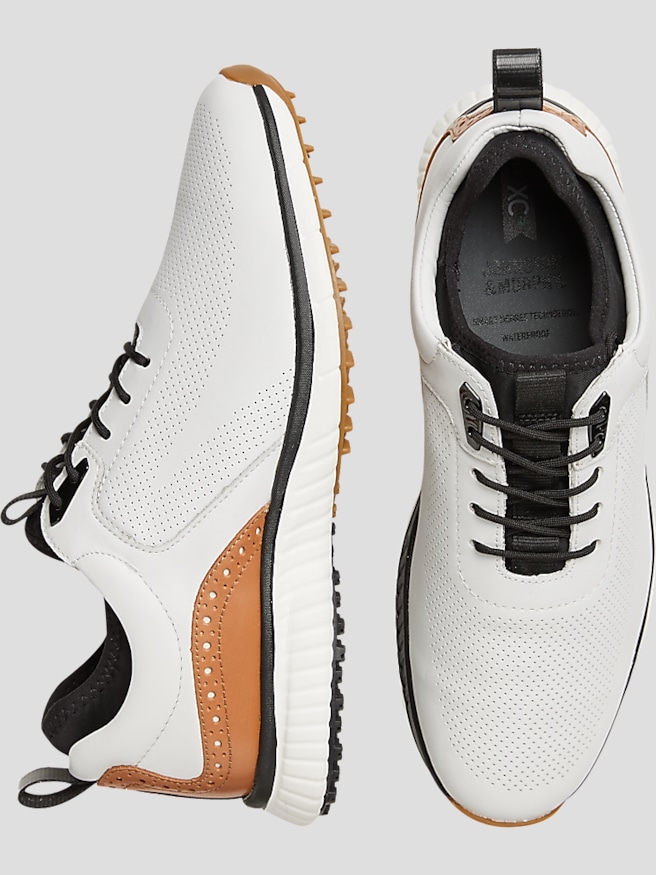
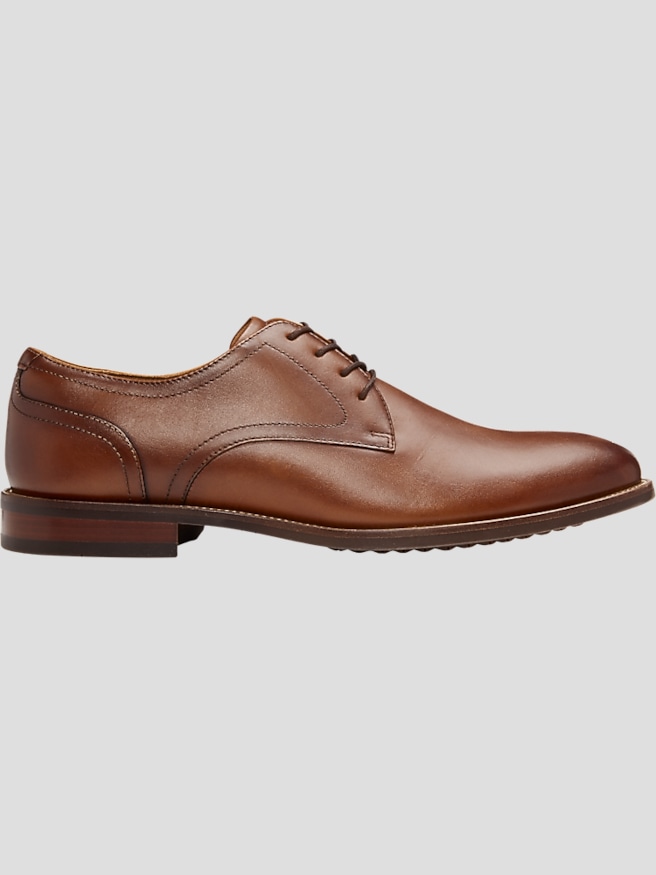
Summer beach outfits for men combine breathable fabrics, comfortable fits, and relaxed pieces that suit time near the water. Lightweight shirts, shorts, easygoing pants, and simple footwear create looks for boardwalk walks, shaded lunches, resort patios, and casual dinners with an ocean view. The distinction is in how the clothes feel and function: an outfit for an afternoon on the sand needs more freedom of movement than one intended for a waterfront restaurant, while both benefit from fabrics that let air circulate. Linen shirts have an airy texture and a naturally relaxed appearance, while cotton shirts offer familiar softness and a broad range of finishes. A short-sleeve button-front shirt can look casually put together worn loose with shorts, especially when its hem falls around the middle of the fly rather than extending far down the thigh. Lightweight pants bring a little more coverage and polish without making the outfit feel overly dressed. Pale blue, cream, sandy beige, and soft green reflect the coastal setting without requiring an all-white outfit or a bold tropical print. Navy adds contrast and works especially well for shorts or pants that may see frequent wear. Stripes, subtle botanical patterns, and textured solids add interest without overwhelming a simple combination. A patterned shirt often looks most balanced with a solid bottom, leaving the print room to stand out. Matching tones can also feel relaxed rather than rigid when the fabrics have visible texture or slightly varied shades. Footwear changes the character of the same clothes: sandals suit informal settings, clean low-profile sneakers work for longer walks, and loafers can make a lightweight shirt-and-pants combination feel ready for dinner. The most useful summer beach outfits leave room for the day to unfold, whether that means a stop for coffee after a shoreline walk or a change of shoes before an evening reservation.
Fabric weight and construction matter as much as color when clothes spend hours in heat, humidity, and a travel bag. Linen is valued for its breathability and distinctive texture; its tendency to crease is part of its casual character, not necessarily a sign that an outfit needs pressing. Cotton can feel smooth and soft against the skin, although heavier cotton fabrics may hold moisture longer than lighter, more open constructions. Linen-cotton blends can balance a crisp appearance with softness, but the feel still depends on the weave and weight. Seersucker has a puckered surface that keeps some of the fabric slightly away from the body, making it a familiar choice for warm-weather dressing. Some performance blends are designed to manage moisture or dry quickly, though those qualities depend on the actual fabric and garment construction rather than appearance alone. Fit deserves the same attention. A shirt should allow comfortable movement across the upper back when reaching forward, with enough room through the torso to avoid pulling between the buttons. Shorts work best when the waistband stays comfortable while seated and the leg opening allows an easy stride without excess fabric bunching at the thigh. A hem above the knee creates a clean proportion for many builds, but comfort and personal preference matter more than a fixed length. Lightweight pants should skim the leg rather than cling, with a hem that does not drag through sand or collect water along the shoreline. Unstructured layers can add shape for a meal or celebration, provided they have enough room over the shirt underneath. Small construction details also affect everyday usefulness: secure seams, neatly finished edges, and pocket openings that lie flat help clothing hold its shape through repeated wear. Pockets are practical for a room key or card, but overfilling them can distort lighter fabrics. For trips involving swimming, garments intended for the water serve a separate purpose from everyday shorts; casual clothing is better suited to the dry portions of the day.
The appeal of beach clothing extends beyond a single vacation. A breathable shirt can move from a coastal getaway to a backyard gathering, and neutral shorts or lightweight pants can become regular parts of a casual wardrobe. That versatility makes fit, care, and repeat wear worth considering alongside the initial look. Sand, sunscreen, salt water, and perspiration can all leave traces on fabric, so care labels remain the best starting point for cleaning. Shaking out dry sand before laundering helps keep grit from settling into seams and pockets. Sunscreen marks are easier to address promptly with a treatment appropriate for the fabric, while testing an inconspicuous area helps protect delicate colors and finishes. Damp clothes should have a chance to dry rather than staying bundled in a bag, especially after a humid day outdoors. Washing compatible fabrics together and avoiding excessive dryer heat can help limit unnecessary wear; some linen and cotton pieces may need reshaping or pressing according to their labels. Leather footwear benefits from being kept out of salt water, while shoes intended for wet settings should be cleaned and dried as directed. These practical distinctions help an outfit stay useful across repeated trips rather than serving only one afternoon. For a destination wedding weekend, beach-casual clothes may suit breakfast or an informal gathering, but the ceremony and reception still call for attention to the stated dress code. An invitation specifying formal attire is not made casual by an ocean backdrop. For celebrations beyond the shoreline, Summer Occasion Outfits offers a related direction for warm-weather dressing. Beach-ready clothing can also make a thoughtful gift for a frequent traveler, a graduate planning a getaway, or someone who enjoys relaxed weekends near the coast. Familiar colors, a known size, and manageable care requirements make those choices more personal and practical. The lasting value is in clothing that feels comfortable, looks considered, and fits naturally into the way the wearer spends time.