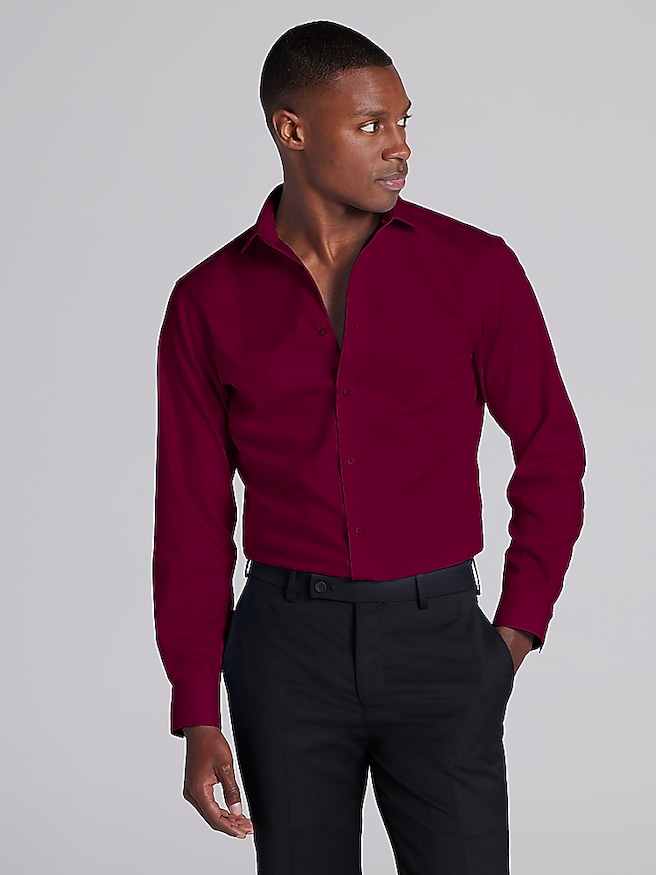
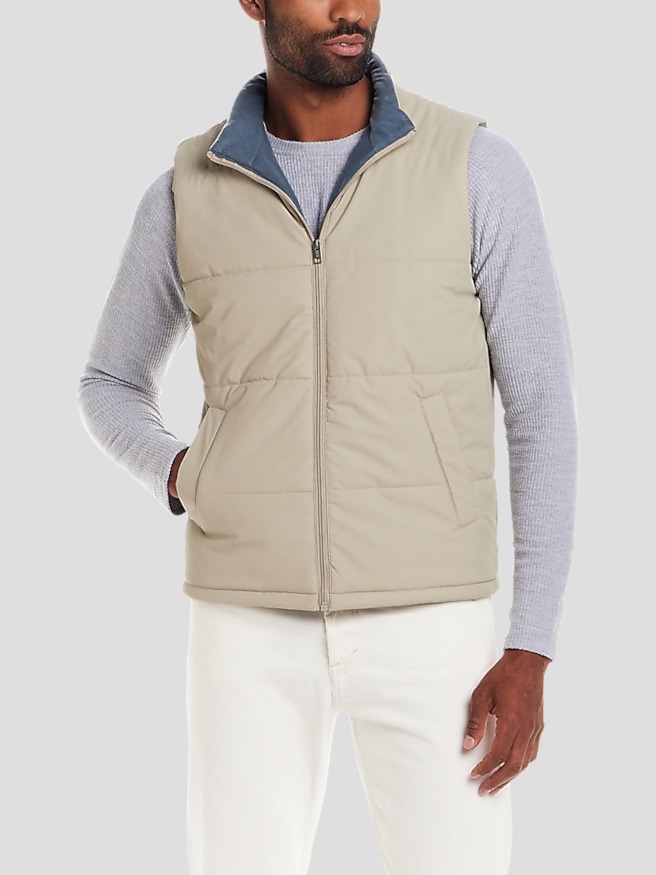
Fall outfits for men combine comfortable layers, textured fabrics, and versatile colors that work across casual plans, office days, and dressier occasions. The appeal is practical as much as visual: a shirt, sweater, and jacket can accommodate a brisk walk outside without making an afternoon indoors uncomfortable. Cotton shirts, fine-gauge knits, wool-blend tailoring, denim, and corduroy provide a useful foundation, with each fabric bringing a distinct feel to an outfit. Oxford cloth has a subtle texture that works well beneath knitwear, while brushed cotton offers a softer surface suited to relaxed settings. Merino wool can provide warmth without the bulk of a heavy knit, making it useful beneath a sport coat or an overcoat. Fabric weight and construction matter alongside fiber content; an open, lightweight knit behaves differently from a dense sweater, even when both use the same material. Chocolate brown, camel, cream, olive, navy, and charcoal create an adaptable fall palette, while burgundy and rust add depth without requiring a bold print. A cream sweater against dark denim feels clean and easygoing; an olive layer over a pale blue shirt brings color into an otherwise understated combination. Texture often supplies enough interest on its own, so corduroy trousers or a subtly patterned jacket can serve as the focal point without competing with several other strong elements. Outerwear gives the outfit its final shape. A structured wool-blend coat complements tailored clothing, while a shorter casual jacket works naturally with jeans and chinos. For exposure to rain or wind, fabric performance and construction deserve attention beyond appearance alone; a wool coat is not automatically waterproof, and suede benefits from extra consideration in wet conditions. The strongest fall clothing combinations balance warmth, mobility, and proportion rather than relying on heavy layers everywhere. That balance makes them useful for everyday routines, from a morning commute and lunch outside to a relaxed dinner after work.
Fit determines whether those layers feel intentional or cumbersome. A shirt should sit smoothly across the shoulders, with enough room through the chest for comfortable movement and sleeves that do not bunch beneath a sweater. Knitwear works best when it skims the torso without pulling at the buttons or clinging over the waistband. A jacket worn over a sweater needs sufficient space through the upper arms and back, but excess width can make even a lightweight combination look bulky. For tailored clothing, assessing the fit over the layers likely to be worn underneath gives a more realistic sense of comfort than trying the jacket over a thin shirt alone. Trousers should allow easy sitting and walking, with a hem that complements the footwear rather than gathering heavily at the ankle. These details help fall outfits move between settings without feeling overly formal or too casual. For an office with a relaxed dress code, chinos, a collared shirt, and a fine-knit sweater offer polish without a full suit; a textured sport coat adds definition for meetings or dinner afterward. The combinations featured in Business Casual Outfits For Fall reflect that middle ground between tailored structure and everyday comfort. Dark denim with a crewneck sweater and leather boots suits a weekend meal or a casual gathering, while wool trousers and a button-down shirt create a sharper impression with little additional effort. Fall weddings and other dressier celebrations may call for a suit, with the invitation and venue guiding the level of formality. Deeper colors and restrained texture can feel seasonally appropriate without distracting from the occasion. Footwear helps establish the mood throughout: loafers tend to read more relaxed, lace-up dress shoes bring polish, and boots can add a substantial finish beneath denim or tailored trousers. Socks, belts, and scarves offer smaller opportunities to repeat a color or introduce a quiet pattern, keeping the overall look cohesive rather than exactly matched.
Durability and care are especially important for clothing that becomes part of a regular rotation. A useful fall wardrobe often depends on a handful of well-coordinated pieces worn in several combinations, so fabric recovery, seam quality, and maintenance needs deserve as much attention as color. Dense fabric is not necessarily more durable than lighter fabric; fiber quality, construction, and the demands of daily wear all affect longevity. Areas exposed to repeated friction, including elbows, cuffs, pockets, and inner thighs, can show wear sooner, particularly when a garment fits too tightly. Giving clothing space to move helps preserve both comfort and appearance. Care labels remain the best starting point for cleaning, since similar-looking sweaters or trousers may need different treatment. Many knits benefit from gentle handling and drying flat when their care instructions permit washing, while tailored jackets may need professional cleaning. Folding sweaters helps prevent shoulder distortion, and supportive hangers help jackets maintain their shape. Clothing should be clean and fully dry before extended storage. Between wears, airing garments and addressing small spots promptly can reduce unnecessary cleaning; any treatment should suit the fabric and be tested in an inconspicuous area. Leather footwear also benefits from drying naturally away from direct heat, while suede requires tools and care methods suited to its textured surface. These practical considerations matter for commuters, frequent travelers, office professionals, and anyone building a dependable set of outfits for social plans. They also help make thoughtful clothing gifts: a versatile sweater or scarf is often easier to select than closely fitted tailoring, especially when the recipient’s preferred colors, fabric sensitivities, and care habits are known. Softness alone does not determine whether a gift will become a favorite; comfort, usefulness, and compatibility with clothing already worn matter just as much. Fall outfits feel most personal when the details support real life—a comfortable collar through a long dinner, enough room to reach for a bag, and layers that look finished whether worn together or separately.