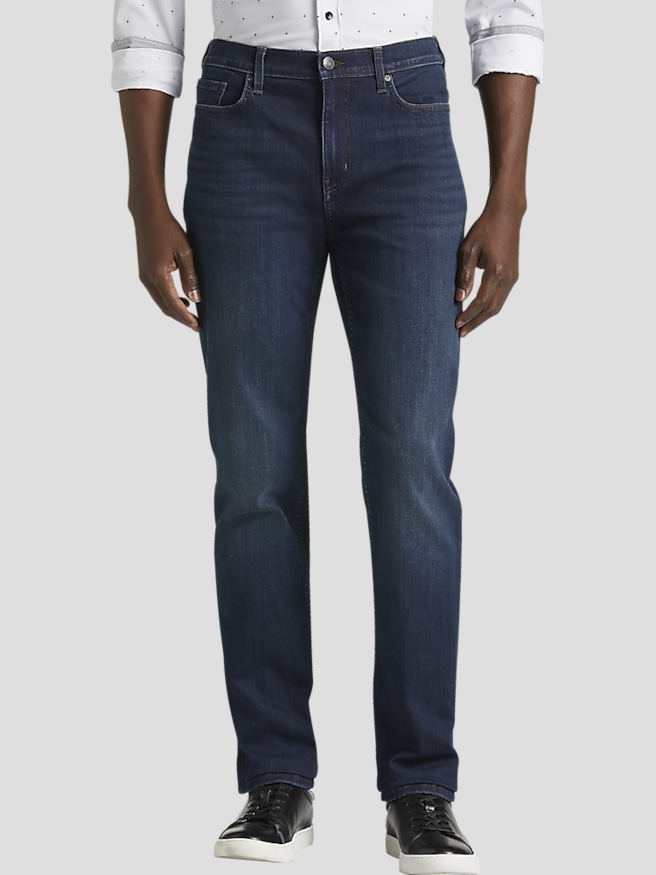
Men's fall outfits combine comfortable layers, textured fabrics, and versatile colors for casual weekends, office days, and evenings out. Common foundations include chinos or dark-wash denim, a button-down shirt or lightweight sweater, and an outer layer that suits the setting. A navy crewneck over a white shirt creates a clean, understated look with tan chinos, while an olive overshirt, charcoal jeans, and leather boots lean more casual. For a sharper finish, a textured sport coat over a fine-gauge knit brings definition without requiring a full suit. The appeal of fall clothing is the contrast between surfaces: brushed flannel beside smooth cotton, ribbed knitwear against denim, or a softly textured wool jacket over a crisp shirt. Deep shades such as burgundy, forest green, rust, and chocolate brown work well alongside navy, gray, cream, and khaki. Keeping the larger pieces within a compatible palette makes it easier to repeat them in combinations that still feel distinct. A patterned shirt can supply the visual interest when the trousers and jacket are solid, while a textured sweater adds depth to an otherwise simple outfit. Layering also serves a practical purpose when an early commute, a warm office, and an outdoor dinner call for varying levels of coverage. A shirt, knit layer, and jacket allow more adjustment than one heavy piece, provided each layer has enough room to sit smoothly. Casual combinations can include a henley beneath an overshirt or a sweatshirt under a relaxed jacket; dressier combinations often pair a collared shirt with a sweater and tailored outerwear. Footwear helps establish the mood, with clean leather sneakers keeping an outfit relaxed and loafers, lace-up shoes, or boots giving it a more finished appearance. The result feels cohesive when color, texture, and formality agree, rather than when every piece matches exactly.
Fabric and fit determine how comfortably fall outfits move from one setting to another. Cotton is a useful foundation for shirts and chinos because it can feel soft against the skin and is often straightforward to care for, depending on its construction and finish. Brushed cotton flannel adds a warmer hand and a softer appearance, while corduroy brings visible texture through its raised ribs. Denim offers a sturdy option for repeated casual wear, though its weight, stretch content, and finish affect how it feels throughout the day. Wool knitwear and wool-blend jackets can provide warmth without excessive bulk, and finer knits generally fit more easily beneath a sport coat than thick cable-knit styles. Fabric blends may add stretch, improve shape retention, or change the way a garment drapes; the fiber label and care instructions provide more useful detail than appearance alone. Fit matters just as much as composition. A shirt collar should sit comfortably when buttoned, shoulder seams should align with the shoulders, and sleeves should allow natural movement without bunching at the wrists. Sweaters need enough ease to accommodate the layer beneath them without pulling across the chest or collecting at the waist. Trousers should remain comfortable when seated, with a rise and leg shape that suit the wearer's proportions. Slim silhouettes offer a closer line, while straight or more relaxed cuts leave additional room through the seat and thigh. Neither should require constant adjustment. Outerwear needs to accommodate the layers it will cover, especially across the upper back and arms. A jacket that fits over a T-shirt may feel restrictive over knitwear, so its intended use matters. Secure buttons, even stitching, reinforced stress points, and substantial pocket construction are useful details to consider for pieces worn frequently. Well-balanced proportions help those practical choices look intentional: a fuller sweater often sits comfortably above straight-leg trousers, while a less bulky knit can maintain the clean line of tailored pants.
The foundation of Men's Outfits is a balance of comfort, proportion, and purpose, whether the setting is a relaxed dinner or a more polished evening. For a business-casual workplace, pressed chinos, a button-down shirt, and a fine-knit sweater can feel composed without looking overly formal. A sport coat adds structure for meetings or dinner afterward, while dark denim and an overshirt suit less formal offices and weekend plans. Fall weddings and dressier gatherings may call for a suit or coordinated tailored separates, with the invitation and venue setting the level of formality. Outdoor plans place greater emphasis on coverage, practical footwear, and materials suited to the forecast; a wool coat provides warmth but should not be assumed to offer the same rain protection as a garment designed for wet conditions. Accessories can make these outfits more comfortable without overwhelming them. A scarf adds coverage at the neck, a leather belt provides a finished detail, and socks with enough length help maintain a neat appearance when seated. Keeping clothing in good condition supports both its appearance and its useful life. Care labels should determine washing, drying, ironing, and professional cleaning, particularly for wool, structured jackets, and mixed-fiber fabrics. Folding sweaters rather than hanging them helps limit stretching, while supportive hangers help tailored layers retain their shape. Letting footwear dry naturally between wears and following material-specific cleaning instructions can reduce unnecessary wear. Familiar sizing and personal taste are especially important when choosing fall clothing as a gift for a partner, father, brother, or friend. A preferred color, a comfortable silhouette, or a texture already present in the recipient's wardrobe is a stronger starting point than a passing trend. Thoughtful combinations leave room for everyday movement and personal style, whether that means rolling a shirt cuff beneath an overshirt, wearing a soft sweater to a family dinner, or adding a tailored coat before heading out for the evening.