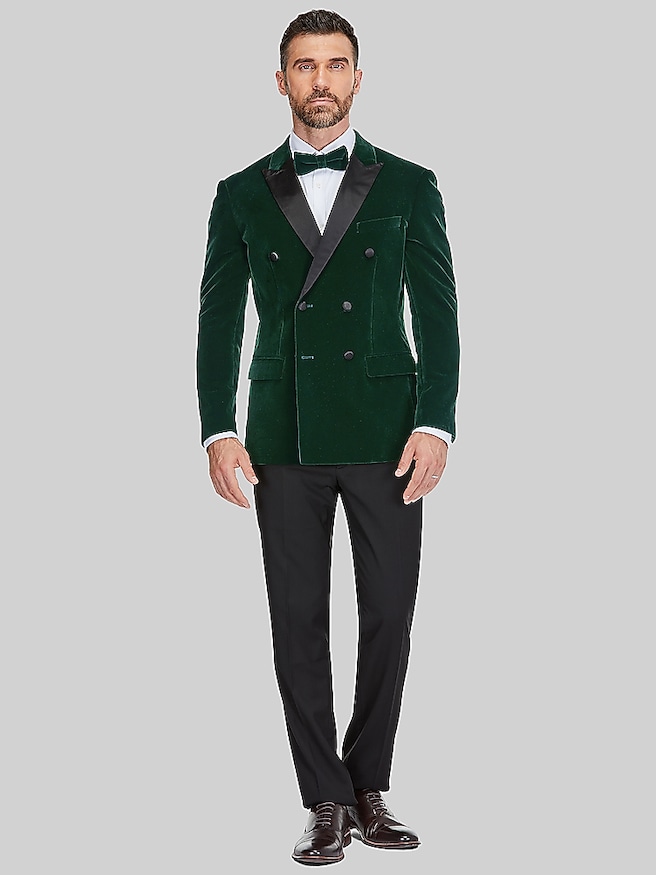
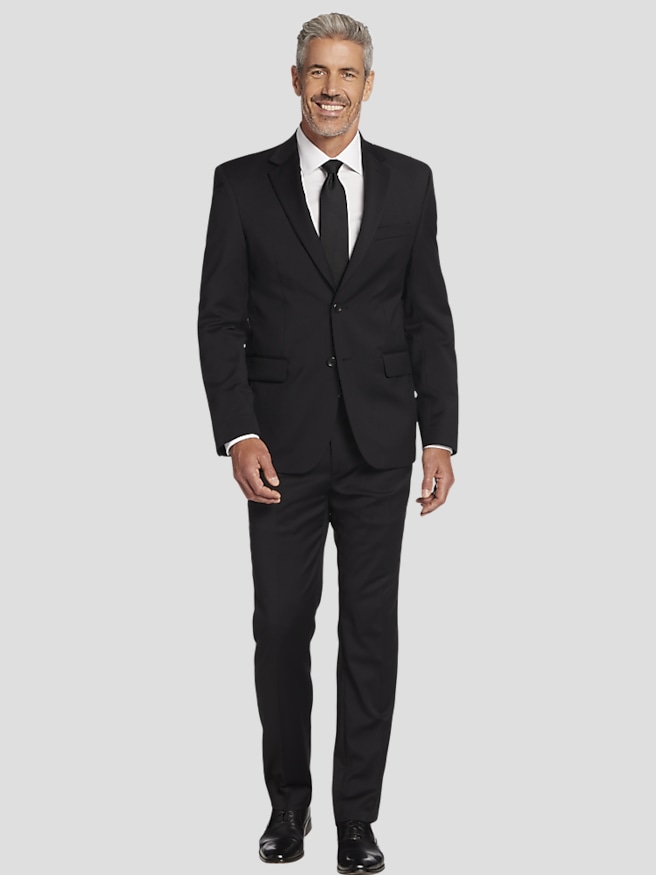
Winter holiday outfits for men bring together warmth, comfortable tailoring, and details that feel appropriate for a celebration. The strongest combinations balance the occasion’s dress code with the practical realities of cool weather: a walk from the parking lot, a crowded dining room, or an evening that begins at the office and ends with a holiday gathering. Tailored suits, textured sport coats, knitwear, and polished trousers each have a place, with fabric and finish setting the level of formality. A dark suit with a crisp dress shirt feels at home at a dressy company party, while a soft sweater and neatly fitted chinos suit a relaxed dinner with friends. For invitations that specify black tie, a tuxedo offers the appropriate foundation; a festive color alone does not make a casual outfit formal. Deep navy, charcoal, black, and warm brown provide versatile starting points, while burgundy, forest green, and muted gold introduce seasonal color without overwhelming the outfit. Texture can create just as much visual interest as color. Velvet catches the light at an evening reception, brushed wool has a soft, understated appearance, and a fine-gauge knit slips comfortably beneath a jacket. A single expressive detail, such as a patterned tie or richly colored pocket square, often provides enough contrast against simple tailoring. At a family celebration, where the afternoon may include photographs followed by hours around the table, an outfit needs to look composed while allowing easy movement. At a formal holiday dinner, a clean shirt collar, smooth trouser line, and well-kept shoes help create a more finished impression. Christmas gatherings, holiday concerts, and New Year’s Eve celebrations can call for distinct levels of polish, but the common thread is clothing that suits both the setting and the person wearing it. For occasions that fall between relaxed and dressed up, Smart Casual Holiday Outfits offer a related approach built around easy layers and refined separates. These combinations leave room for personal style without relying on novelty patterns or head-to-toe festive color.
Materials make a meaningful difference in how winter holiday clothing feels over the course of an event. Wool is valued for its insulating qualities, breathability, and resilience, making it useful for tailoring that moves between chilly outdoor air and heated interiors. Fabric weight and construction matter, too: a lighter wool suit can be more comfortable at a busy indoor reception than a heavy ensemble layered beneath an overcoat. Flannel adds a softly brushed surface to trousers and jackets, while corduroy brings visible texture to less formal combinations. Cotton shirts offer a familiar feel against the skin, with smoother weaves generally looking dressier than more textured casual fabrics. Merino wool and cashmere knitwear can provide warmth without the bulk of a chunky sweater, although softness, thickness, and care needs vary by construction. Blended fabrics may add stretch or improve shape retention, but fiber content alone does not determine comfort or durability. Fit is equally important, especially when several layers share the same space. A jacket should sit cleanly across the shoulders, close without pronounced pulling, and leave enough room for the shirt or knit underneath. A sweater that bunches at the waist can interrupt the line of tailored trousers, while an overly tight sleeve may feel restrictive beneath a coat. Trousers need comfortable room through the seat and thighs for sitting through dinner, with a hem length that works with the chosen shoes rather than collecting in folds around them. An overcoat should accommodate the layers beneath it without compressing the shoulders or limiting arm movement. For a guest who spends part of the evening outdoors, a scarf and gloves provide useful warmth that can be removed indoors. For someone moving directly from a workday to a celebration, a fine knit or dress shirt beneath a sport coat offers flexibility without requiring a complete change of clothing. Thoughtful proportions and manageable layers keep the overall silhouette tidy while making the outfit easier to wear for several hours.
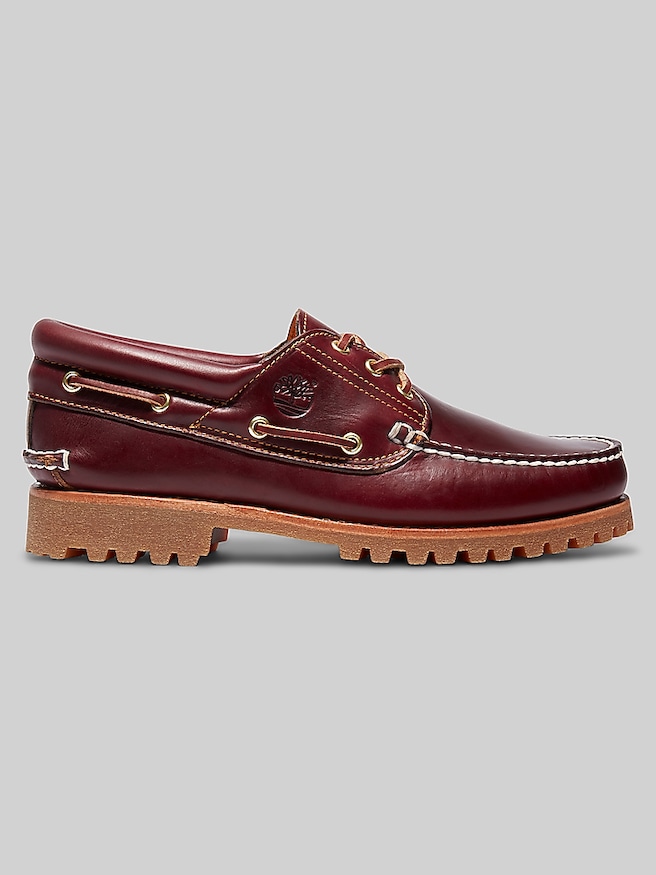
The lasting usefulness of holiday clothing often comes from how naturally it fits into other occasions. A restrained palette and adaptable fabrics can carry tailored separates beyond celebrations to dinners, performances, and professional events. Dark trousers paired with a textured jacket feel festive with a dress shirt and tie, then more relaxed with an open collar or simple knit. Footwear helps establish the same distinction: polished leather dress shoes complement sharper tailoring, while understated boots can work with casual trousers and heavier textures. Smooth dress soles may offer limited traction on wet or icy pavement, so the route to the venue deserves consideration alongside the indoor dress code. Care also affects how well an outfit holds its shape and finish across repeated wear. The care label is the best starting point, since wool tailoring, delicate knitwear, velvet, and washable cotton may need separate treatment. Tailored jackets benefit from supportive hangers and space to air after wear; sweaters generally hold their shape better folded than suspended from the shoulders. Gentle brushing can remove surface dust from suitable wool fabrics, while prompt attention to spills helps keep a small mark from becoming a lasting stain. High heat and direct ironing can damage some fibers or flatten a textured surface, making fabric-appropriate cleaning and pressing especially important. Shoes should dry naturally away from strong heat after exposure to moisture, with care suited to the leather or other upper material. Well-finished seams, secure buttons, and fabric that recovers after movement are useful signs of construction intended for repeated wear, though even sturdy clothing benefits from careful handling. For gifting, scarves, ties, and other accessories can offer more sizing flexibility than fitted tailoring, while knitwear works best when the recipient’s measurements, preferred fit, and care habits are known. Someone who attends formal events may appreciate a refined finishing touch, while a frequent holiday host may get more use from a comfortable layer. The most satisfying winter holiday outfits feel considered rather than complicated, combining an appropriate level of dress with warmth, movement, and pieces that remain useful after the celebration.