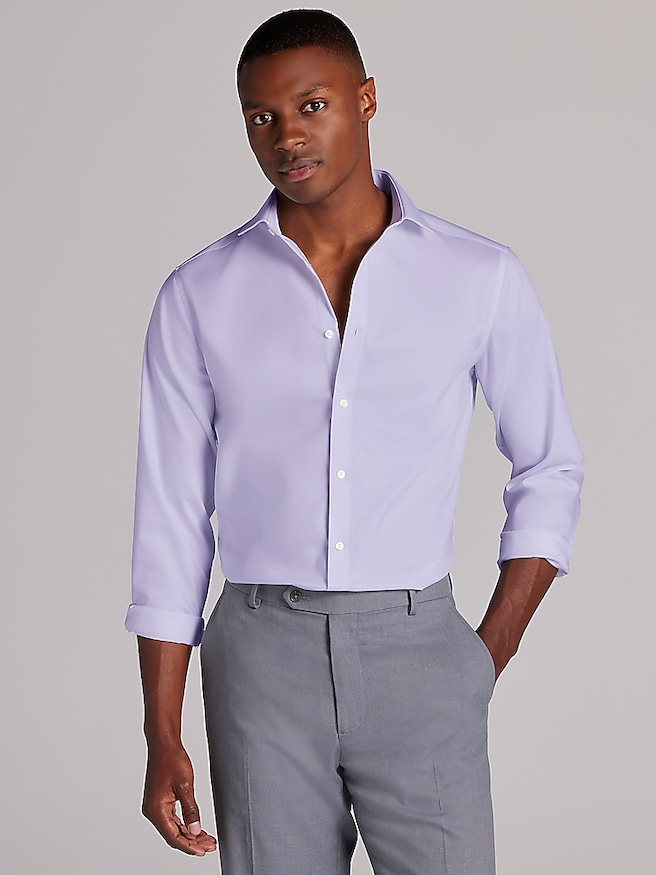
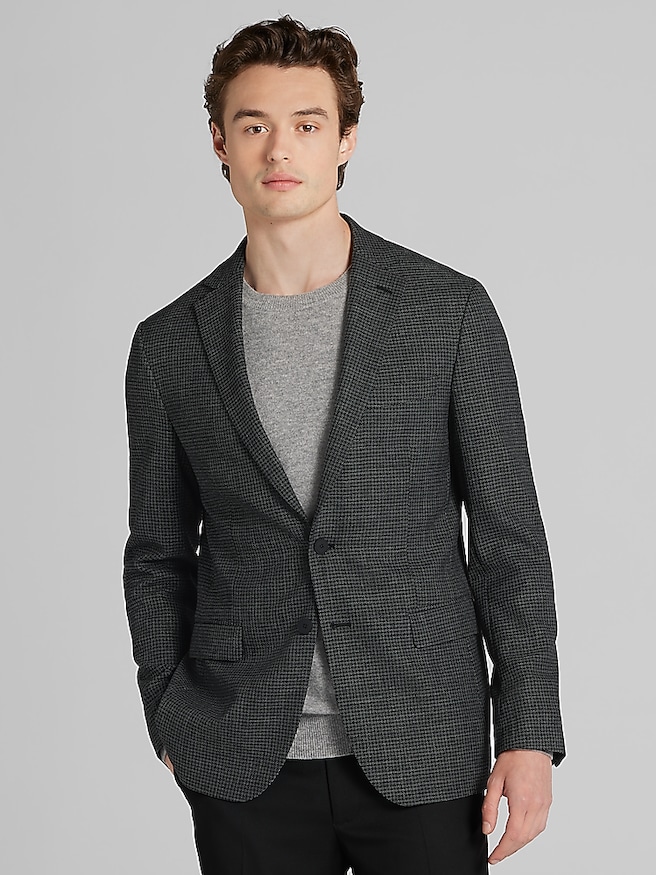
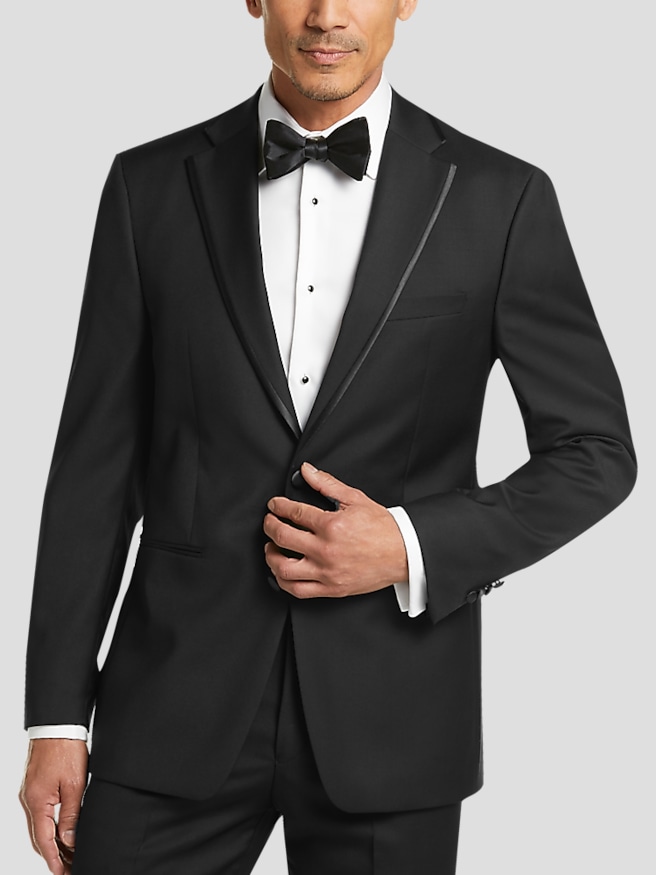
Outfits for holidays bring together occasion-appropriate clothing, comfortable fits, and festive details for gatherings that range from a Thanksgiving dinner at home to a formal New Year’s Eve celebration. Men’s holiday clothing spans tailored suits, dinner jackets, sport coats, dress shirts, knitwear, and trousers, with the setting helping establish how polished or relaxed an outfit feels. For a family meal, a textured sweater over a collared shirt has an easy, finished look that works around the dinner table and in group photographs. An office holiday party often calls for a little more structure: a sport coat with dress trousers offers polish without necessarily requiring a full suit. Cocktail celebrations tend toward sharper tailoring, deeper colors, and distinctive fabrics, while an invitation specifying black tie generally calls for a tuxedo rather than a dark business suit. Navy, charcoal, and black provide versatile foundations; burgundy, forest green, and midnight blue add festive character without depending on novelty graphics. Texture can do as much as color. The soft sheen of velvet, the depth of a wool weave, or a subtle pattern in a tie gives an outfit visual interest while keeping the overall effect composed. A single expressive element often feels more natural than several competing accents, particularly at gatherings where guests move between conversation, dinner, and dancing. Holiday dressing also reflects personal style and the role someone plays at the event. A host carrying trays and greeting guests may appreciate flexible layers and sleeves that stay clear of the table, while someone attending a formal evening reception may prioritize a crisp shirtfront and a well-shaped jacket. Religious observances and community celebrations can have their own expectations for coverage and formality, making the invitation and venue more useful reference points than festive styling alone. Across these occasions, the strongest combinations look intentional without making the wearer feel overdressed for the room or restricted throughout the evening. Familiar silhouettes with one thoughtful seasonal accent can feel celebratory and still belong in a wardrobe long after the gathering ends.
Materials and construction influence how holiday outfits look, feel, and hold their shape through hours of wear. Wool suiting offers a refined drape and natural resilience, making it useful for tailored clothing that needs to stay presentable through a seated dinner and an evening of mingling. Fabric weight matters as much as fiber content: a substantial cloth can give a jacket definition, while a lighter weave may feel less cumbersome in a busy indoor venue. Cotton dress shirts provide a familiar feel against the skin, though wrinkle resistance and care requirements vary by weave and finish. Blended fabrics can offer stretch, easier maintenance, or added durability, depending on their composition. Fine-gauge knitwear sits smoothly beneath a sport coat, whereas a chunky cable knit has more volume and generally works better as the main layer. Velvet adds depth and a distinctive surface that catches the light, making it especially suited to evening celebrations; corduroy offers a more understated texture for informal dinners. For gatherings associated with winter festivities, Winter Holiday Outfits offers a related occasion focus for layered looks and celebratory dressing. Whatever the fabric, fit determines whether the finished outfit feels effortless. Jacket shoulders should follow the wearer’s natural shoulder line, and the front should close without pronounced pulling. A shirt collar needs enough room to feel comfortable when buttoned, especially when worn with a tie for several hours. Trousers should sit securely at the waist and allow comfortable movement through the seat and thighs, with a hem length that suits the cut and footwear. Slim, tailored, and classic fits describe broad shapes rather than consistent measurements across every garment, so proportions matter more than the label alone. A sweater layered over a shirt needs enough ease to avoid bunching at the upper arms, and a jacket worn over knitwear needs room for that added thickness. Comfortable holiday clothing accommodates sitting, reaching, and walking without losing its intended silhouette. That balance becomes particularly noticeable during a long meal, a standing reception, or an evening spent moving between several celebrations.
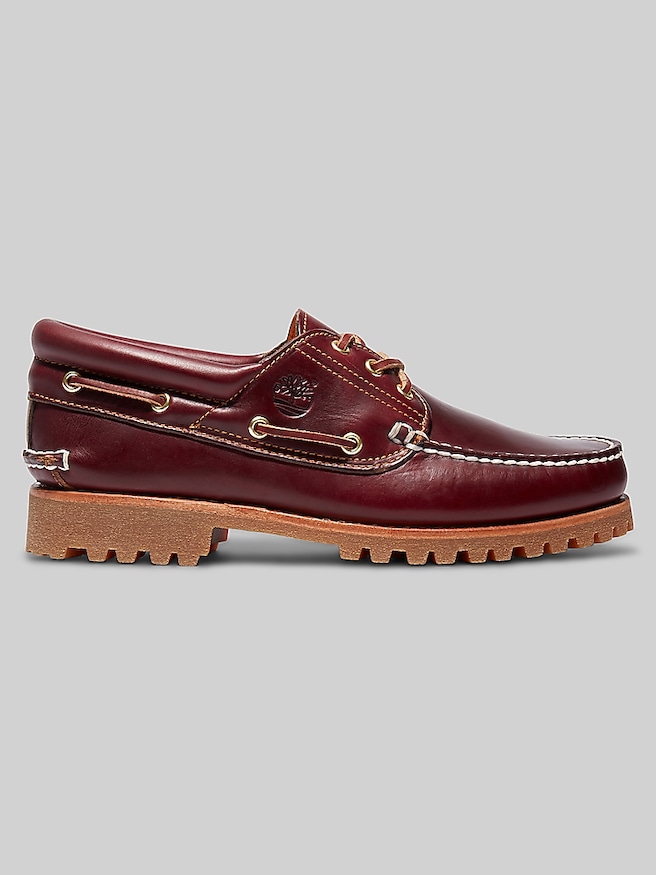
Finishing details help holiday outfits feel complete while supporting their intended use. Smooth leather footwear tends to complement dressier tailoring, while textured shoes or understated boots can suit more relaxed combinations. The level of shine, shape of the toe, and weight of the sole all affect how formal the result appears. Comfort deserves equal attention when an event involves standing through a reception or walking between venues; a secure heel and adequate toe room matter more than appearance alone. Socks that coordinate with the trousers create a continuous line, while a restrained pattern can introduce personality beneath a simple hem. A tie or pocket square can pick up a secondary color from a shirt or jacket without matching it exactly, giving the outfit a considered rather than packaged appearance. These smaller wardrobe pieces can also make thoughtful holiday gifts for someone whose taste is familiar, particularly when the color or texture works with clothing they already enjoy wearing. Knitwear is another personal gift option, though size, preferred fit, fiber sensitivity, and care habits are worth considering. Long-term usefulness depends partly on construction and partly on maintenance. Even stitching, securely attached buttons, neat buttonholes, and linings that lie smoothly are practical details to examine in clothing intended for repeated wear. Care labels provide the most reliable instructions for cleaning, drying, and pressing because similar-looking fabrics can need very different treatment. Tailored jackets benefit from shaped hangers that support the shoulders, while sweaters generally keep their shape better folded than suspended from narrow hangers. Prompt attention to food spills helps limit lasting marks, but vigorous rubbing can damage delicate surfaces or spread a stain. Velvet and other pile fabrics need particular care to avoid crushing their texture, and heat-sensitive blends may require a lower pressing temperature. Giving clothing space in a closet helps reduce unnecessary creasing between occasions. Versatile colors, comfortable proportions, and appropriate care allow holiday outfits to serve beyond a single celebration, carrying the same polished character into anniversary dinners, theater evenings, and other occasions that call for something more considered than everyday clothing.