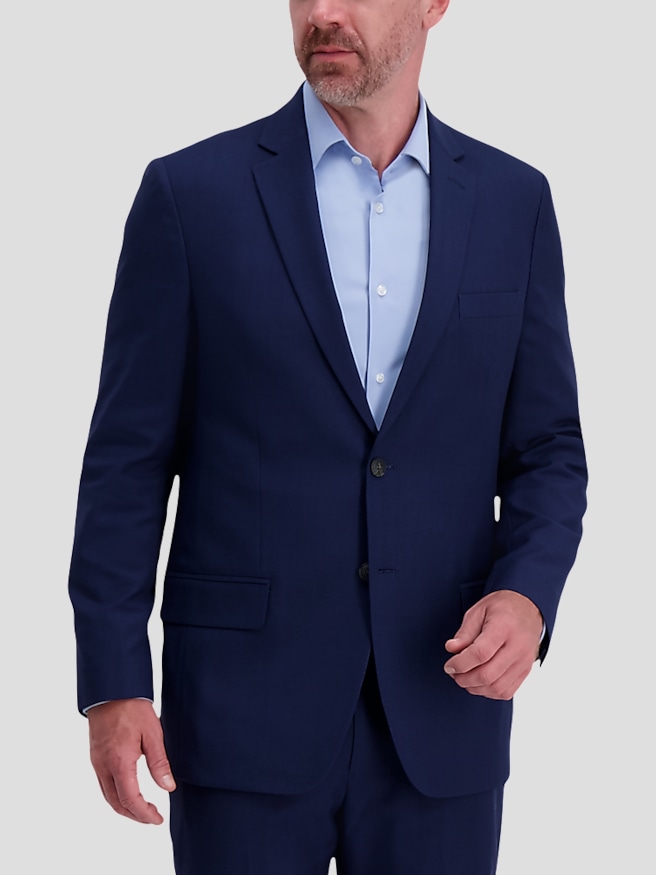
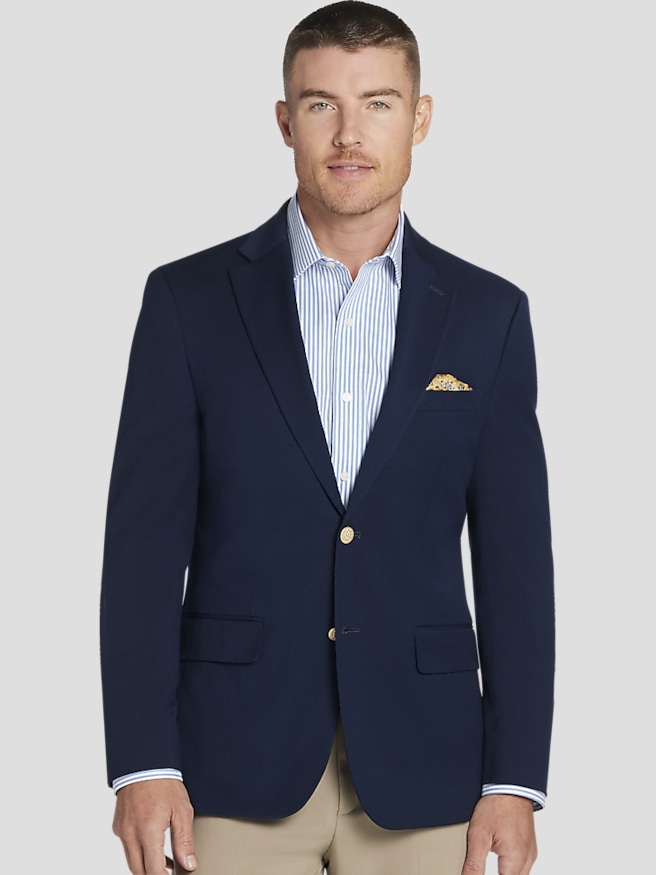
Stylish wardrobe basics are versatile, well-fitting clothes that work together easily and feel appropriate for the places everyday life leads. Simple T-shirts, button-down shirts, polos, knitwear, chinos, jeans, and tailored trousers provide a foundation for men who want to look put together without building every outfit from scratch. Their usefulness comes from a balance of color, fabric, and proportion rather than elaborate details. White, navy, gray, black, and earthy neutrals create plenty of combinations, while subtle stripes, textured weaves, and muted accent colors keep those combinations from looking repetitive. A cotton shirt with a crisp collar can bring definition to a casual outfit or sit neatly beneath a jacket for a client meeting. A smooth knit polo offers a similarly clean appearance with a softer feel, making it comfortable for an office with a relaxed dress code or dinner with friends. Dark denim and cotton chinos give these tops a dependable base, while tailored trousers create a more finished line when the occasion calls for one. Material makes a noticeable difference even in the simplest design. Cotton jersey feels soft against the skin, cotton twill has a substantial texture suited to frequent wear, and Oxford cloth brings a gently textured surface to everyday shirting. Fine-gauge merino wool offers a smooth knit that layers without excessive bulk, while linen has a distinctive slub and relaxed character that includes natural wrinkling. Blended fabrics may add stretch, help a garment retain its shape, or simplify care, depending on their composition and construction. These details give basic clothing its personality: the dry feel of a woven shirt, the soft drape of a knit, or the clean crease of tailored pants. A useful wardrobe includes enough variety for real routines, whether that means hours at a desk, a commute, a family gathering, or an evening out.
Fit is what allows understated clothing to look deliberate rather than merely plain. A shirt should have enough room through the chest and back for reaching forward without pulling sharply across the buttons, and a collar should sit comfortably rather than press against the neck. Shoulder seams generally sit near the natural shoulder point in a classic fit, while intentionally relaxed designs may extend farther for a softer outline. Slim, tailored, and relaxed cuts describe different silhouettes, but those labels do not replace the way a garment actually sits on the body. In pants, a comfortable waistband, a smooth seat, and room through the thighs help the fabric fall cleanly instead of catching or bunching. A straight leg creates a consistent line, while a gentle taper narrows toward the ankle without requiring a tight fit throughout. Hem length changes the overall impression, too: a slight break looks traditional, while little or no break creates a cleaner view of the shoes. These proportions matter when pieces are worn together. A substantial knit often sits more comfortably over a smoothly woven shirt than over a bulky one, and a jacket needs enough room for the layers beneath it without excess fabric collapsing at the shoulders. Stretch can make sitting and walking more comfortable, but it cannot fully compensate for an unsuitable cut. Construction also contributes to lasting shape. Even stitching, securely attached buttons, stable pocket openings, and seams that lie flat help clothing stand up to repeated use. A softly structured blazer can give jeans and a simple shirt a more polished frame, though it does not make casual clothing appropriate for every dress code. Loafers, lace-up shoes, and clean, understated sneakers each change an outfit’s tone. The most adaptable basics leave room for those small changes, allowing familiar clothes to feel suitable for a presentation, a casual lunch, or a celebration with a clearly stated dress code.
Durability depends on both the garment and the attention it receives between wears. Fabric weight alone does not determine quality; a lighter fabric can be well made, while a heavier one can still lose shape if its construction or care is unsuitable. Care labels provide the most relevant directions for washing, drying, pressing, and professional cleaning, especially when a garment combines several fibers or includes a lining. Washing compatible colors together, treating stains promptly according to fabric instructions, and avoiding unnecessary heat can help preserve the appearance of frequently worn clothing. Cotton may shrink under excessive heat, wool can felt with unsuitable washing, and stretch fibers can lose resilience when repeatedly exposed to high drying temperatures. Knitwear often holds its shape better when folded, while shaped hangers support jackets and appropriate hangers help keep woven shirts ready to wear. Allowing garments to air between uses and addressing a loose button before it comes off are small habits that support a dependable wardrobe. The same attention to function applies to finishing layers. The proportions, collar shape, and fabric texture of Stylish Outerwear can complement the clothes beneath it, creating a coherent look rather than hiding the outfit under an unrelated silhouette. Basics can also make thoughtful gifts for a graduate starting an office job, someone whose daily dress requirements have changed, or a partner who appreciates familiar colors and comfortable fabrics. Knowing the recipient’s measurements, preferred fit, fabric sensitivities, and care habits makes clothing a more personal choice than simply choosing a size from memory. A preference for easy machine washing may matter as much as color, just as room through the shoulders may matter more than a trim outline. The lasting appeal of stylish wardrobe basics lies in these practical details: comfortable movement, dependable construction, manageable care, and an appearance that feels natural to the person wearing them.