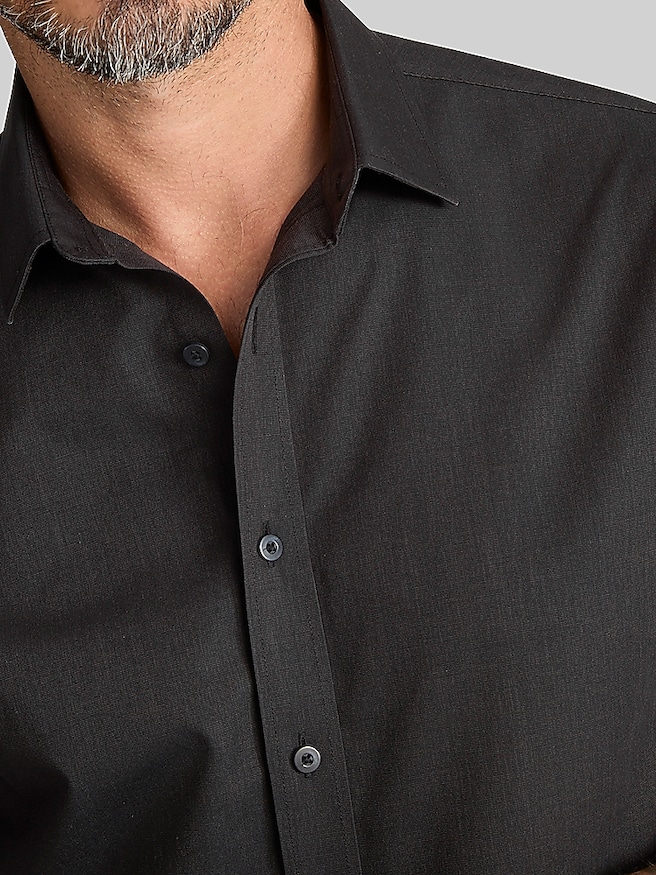
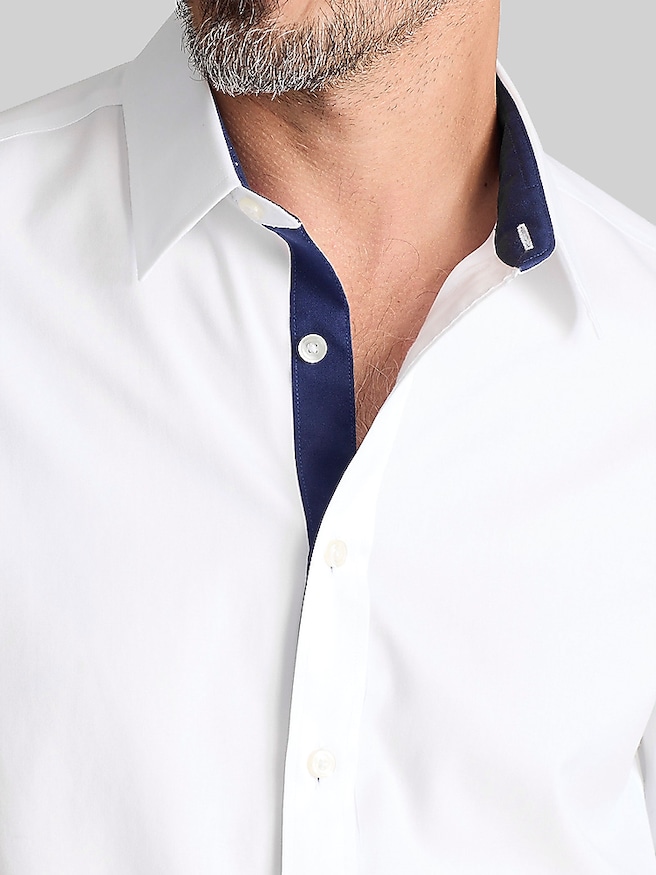
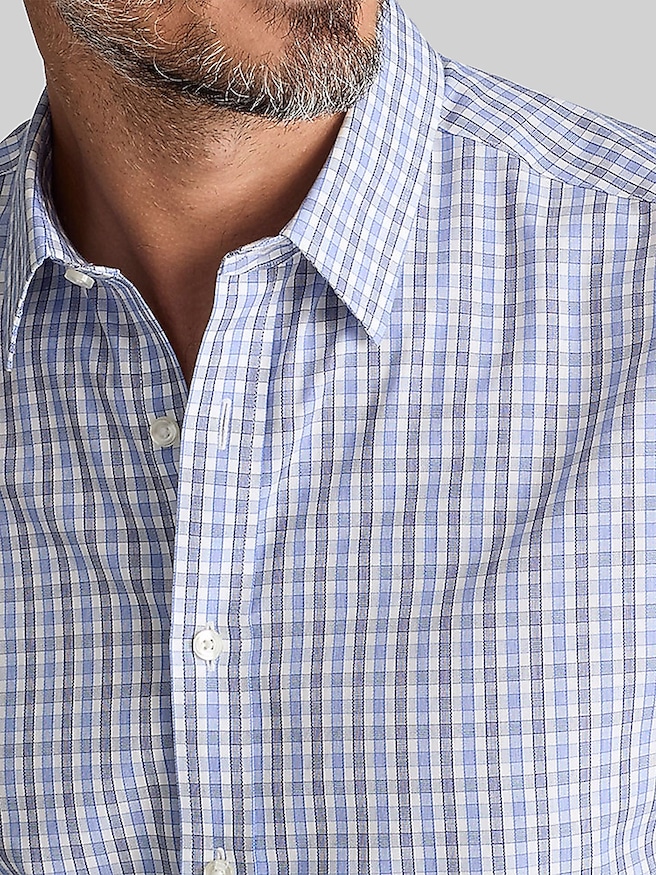
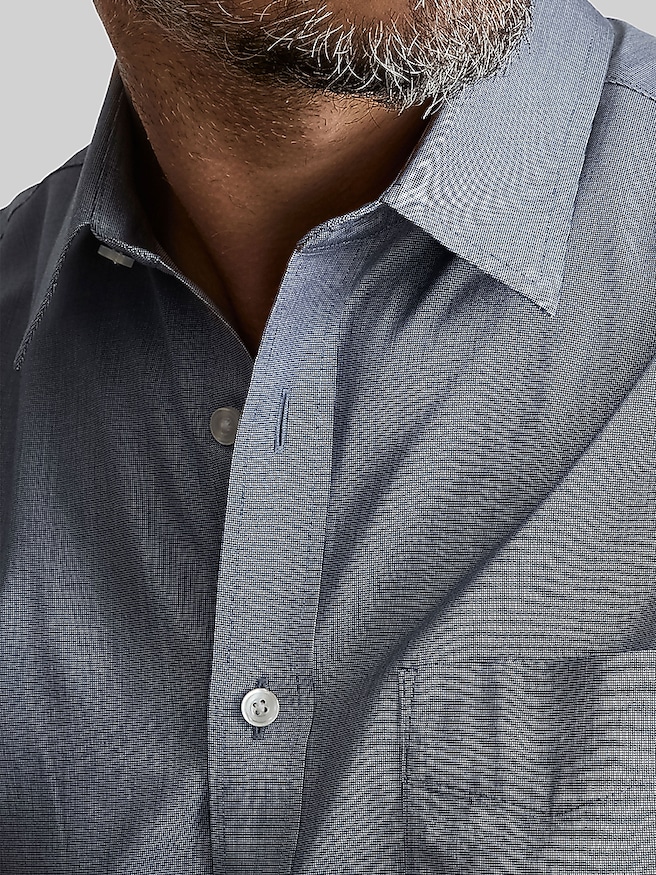
A minimalist wardrobe for men is built around a small collection of dependable pieces that work together without demanding much thought. The goal is not to own as little as possible, but to make each item earn its place through versatility, comfort, and lasting appeal. A practical foundation often includes several simple tops, a few polished casual shirts, reliable trousers, denim, versatile layers, outerwear, and a limited rotation of footwear. Neutral shades such as white, black, gray, navy, olive, khaki, and brown make coordination easier because most pieces can be combined in several ways. A plain top can work with denim for an easy weekend outfit, with chinos for a neat everyday look, or beneath a jacket when the setting calls for more structure. A well-chosen button-down can move from a casual office to dinner, while a refined knit layer adds warmth and visual interest as the weather turns cooler. The most useful rule is simple: every top should work with nearly every bottom. This approach reduces morning decisions and helps a wardrobe feel cohesive, even when it contains different textures and silhouettes. For shoppers building a first collection, beginning with roughly 12 to 15 core pieces can provide plenty of combinations without creating an overfilled closet. Someone who spends the day in a relaxed office may lean on knit layers, chinos, and understated shirts, while a man with a more active routine may prioritize durable cotton, stretch fabrics, and easy-care pieces. Those working in a traditional professional environment can use the same neutral foundation with sharper tailoring and more structured layers. For additional guidance on dressing for the workplace, explore Men's Work Wardrobe Essentials.
Fit becomes especially important when a wardrobe is intentionally streamlined. With fewer pieces in rotation, each one is seen more often, so the proportions should feel comfortable and considered. Shoulder seams should sit close to the natural shoulder, sleeves should end neatly at the wrist, and trouser hems should create a clean break without excessive fabric pooling around the shoe. A shirt that sits smoothly across the chest and a pair of trousers that allow easy movement can make a simple outfit look far more polished than a crowded combination of mismatched items. When possible, small alterations can make a meaningful difference, particularly at the waist, sleeve, and trouser hem. Fabric also deserves attention. Heavier cotton tends to hold its shape and provide reassuring structure, while softer jersey offers comfort for everyday wear. Denim, twill, wool blends, and durable woven fabrics can add texture while remaining easy to combine. During the cooler months, layering allows the same core wardrobe to serve different settings and temperatures: a lightweight base can sit beneath a shirt, a sweater can add warmth without bulk, and a versatile jacket can finish the outfit for commutes or evenings outdoors. Look for pieces with clean lines, restrained details, and construction that can withstand regular wear. Care matters just as much as initial quality. Following washing instructions, using suitable hangers, brushing away surface lint, and allowing garments to rest between wears can help fabrics maintain their shape and appearance. A minimalist wardrobe should feel lived in rather than precious, with pieces that are ready for a busy morning, an unplanned dinner, or a quiet weekend away.
These recommendations can also make thoughtful gifts for a partner, family member, friend, or colleague, especially when the recipient appreciates practical items that fit naturally into an existing routine. A simple top, versatile shirt, comfortable layer, or well-made accessory can be useful without requiring a precise knowledge of personal style. If choosing a gift, neutral colors and straightforward shapes are generally easier to wear, while adaptable sizing, stretch, and forgiving silhouettes can make the selection more comfortable. For someone starting a new job, a refined collection of interchangeable clothing can ease the transition from casual days to professional settings. For a recent graduate or someone moving into a new home, a compact wardrobe can provide a sense of order and make getting dressed more efficient. Travelers may also value pieces that resist wrinkles, layer easily, and coordinate across several days. The best choices reflect the recipient’s real life: a commuter may benefit from durable fabrics and weather-ready layers, while someone who works from home may prefer relaxed textures that still look presentable for video calls and occasional outings. Color balance is useful here; navy and gray create a calm base, olive and khaki bring a subtle outdoor influence, and black or white can sharpen an otherwise relaxed combination. Footwear should cover the main rhythms of daily life without unnecessary duplication, with options that pair comfortably with denim, chinos, and more tailored trousers. Above all, a minimalist wardrobe should support personal expression through fit, texture, and proportion rather than excess. When each piece feels comfortable, coordinates easily, and suits the wearer’s schedule, getting dressed becomes a quieter, more enjoyable part of the day.