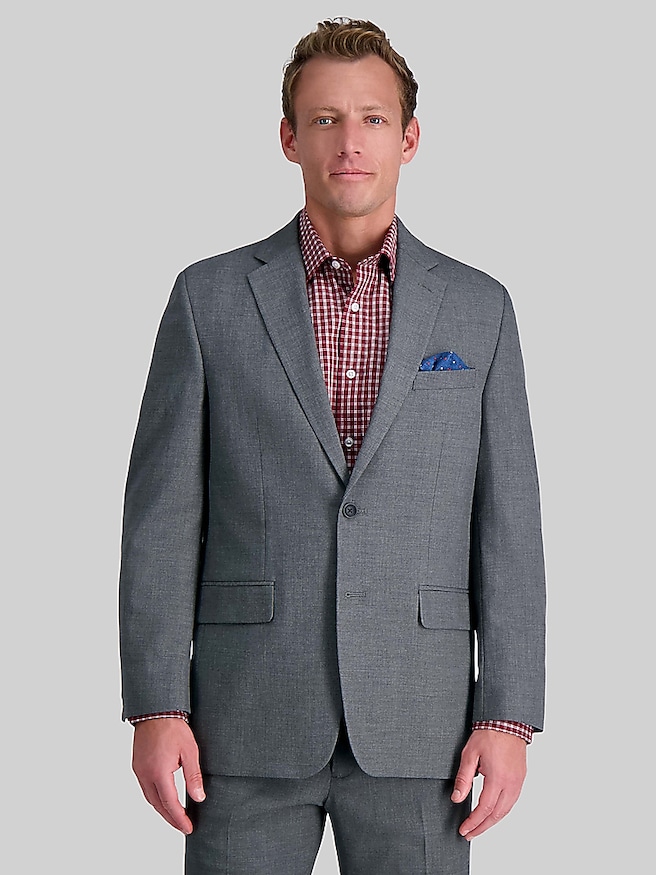
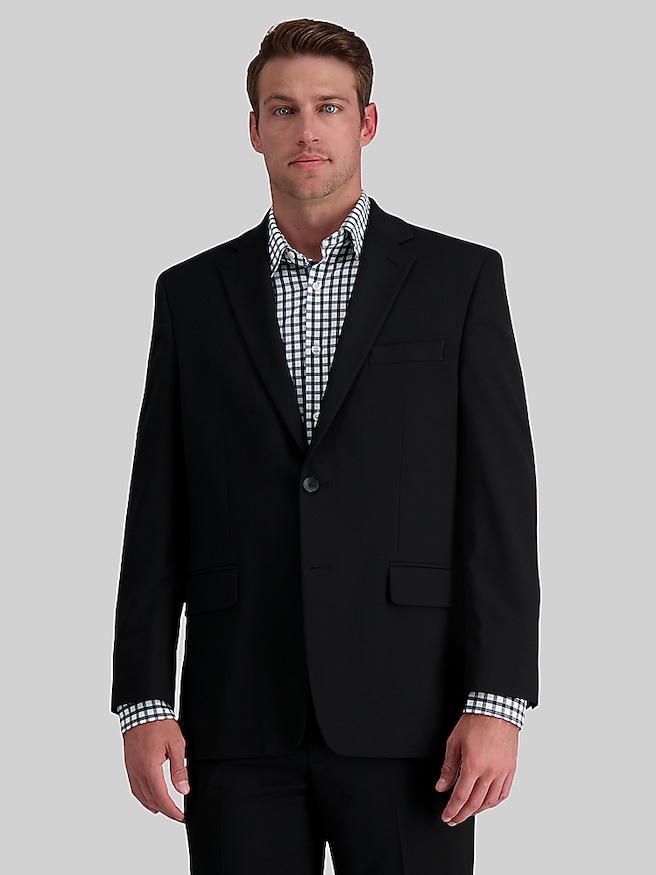
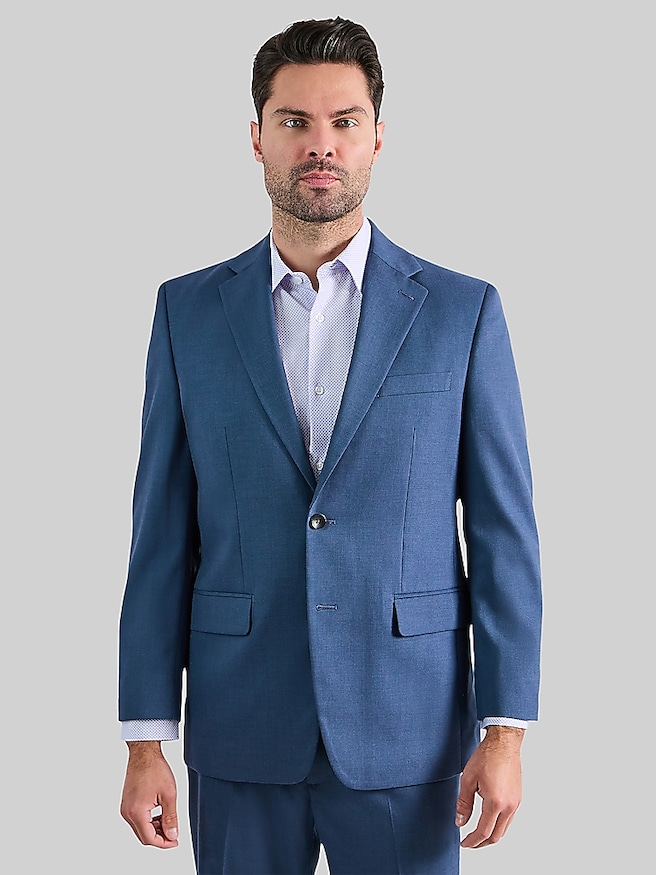
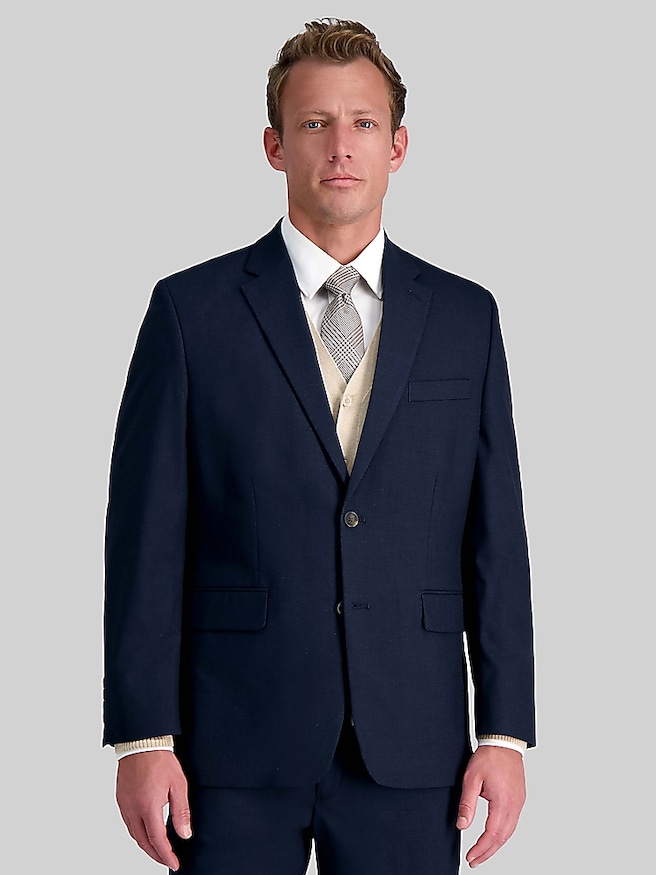
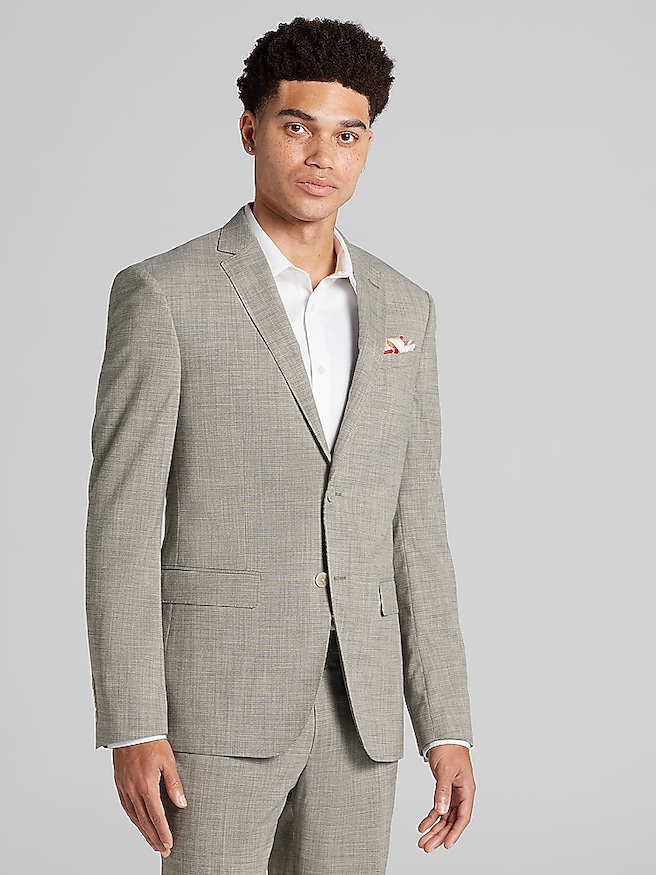
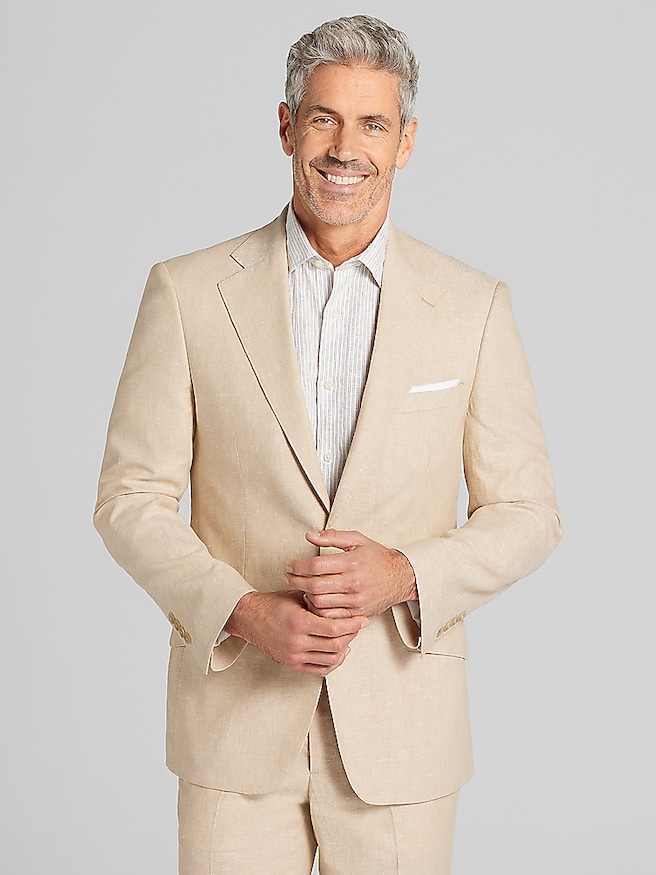
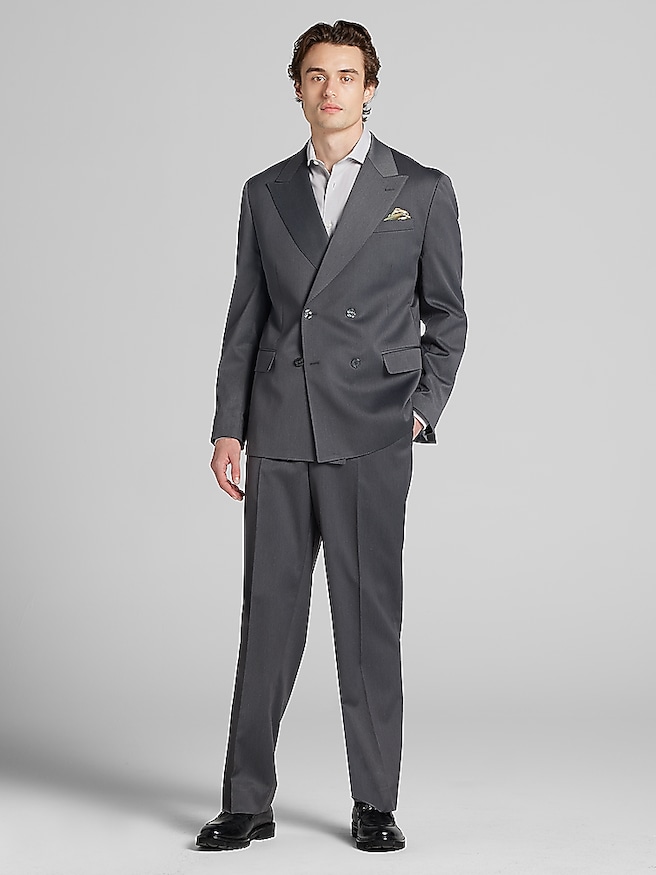
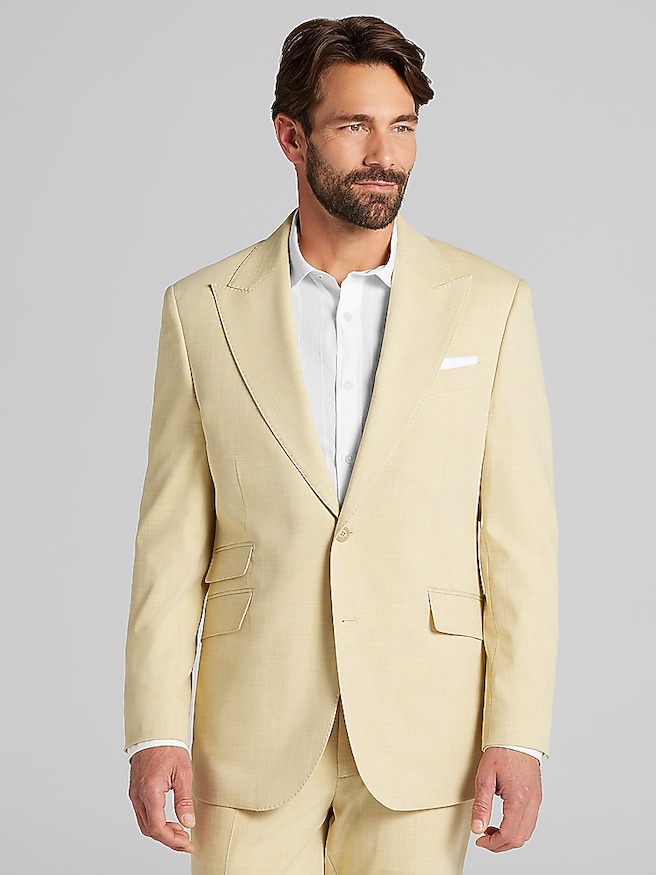
A Size 38 Suit is a practical starting point for a tailored wardrobe, especially for someone whose chest measures close to 38 inches around the fullest part. In standard suit sizing, the number generally refers to the jacket chest measurement, while the letter indicates jacket length: 38S is commonly intended for a shorter frame, 38R for an average-height frame, and 38L for a taller build. As a broad reference, 38S often works well for heights below about 5'7", 38R commonly suits heights from approximately 5'8" to 6'0", and 38L is often considered for heights around 6'1" and above. These ranges are useful for narrowing the selection, but they are not a substitute for trying on a jacket or comparing garment measurements, since proportions, shoulder width, posture, and brand construction can all affect the final fit. A standard size 38 suit frequently pairs the jacket with trousers measuring about 32 inches at the waist, following the familiar six-inch drop between jacket chest and trouser waist. That pairing is only a starting point, however. Some people carry more fullness through the midsection, while others have a narrower waist or stronger seat and thighs, so checking the actual trouser measurements is just as important as confirming the jacket size. Trousers may arrive unfinished at the hem or with a basic inseam that needs refinement, and a tailor can adjust the length to create a clean break over the shoe. For the most reliable fit, measure over a lightweight shirt without pulling the tape tightly, keep the tape level across the shoulder blades and chest, and measure the natural waist where trousers will sit. It also helps to compare the shoulder seams, jacket button position, sleeve length, and trouser rise when assessing a complete suit. The shoulder should lie flat without extending well beyond the natural shoulder, the lapels should rest smoothly against the chest, and the jacket should close without strain across the front. A sleeve that shows a small amount of shirt cuff usually looks polished, while trousers should fall neatly without excessive pooling at the ankle. When measurements fall between sizes, the better choice often depends on the shoulders and chest, since those areas are more difficult to alter than the waist or sleeve. A skilled tailor may be able to fine-tune the rest, turning a good off-the-rack foundation into something that feels deliberately made.
The right Size 38 Suit can serve a wide range of occasions, from weekday presentations and interviews to weddings, evening gatherings, ceremonies, dinners, and formal celebrations during the cooler months. A navy, charcoal, or black foundation can move easily between settings, while lighter or more distinctive tones may bring a relaxed sense of personality to daytime events and social occasions. Slim-fit designs typically create a closer line through the chest, waist, and leg, making them appealing to someone who prefers a sharper, more streamlined silhouette. Classic-fit options allow more room through the torso and thigh and may feel more natural for long workdays, seated meals, travel, or anyone who values ease of movement. Neither approach is automatically better; comfort, posture, personal style, and the intended setting should guide the decision. A suit may be worn as a complete set with a dress shirt, tie, and polished leather shoes, or separated into useful combinations such as a tailored jacket with contrasting trousers. A fine-knit sweater, open-collar shirt, or textured tie can soften the look for gatherings that call for polish without a strictly formal finish. For cooler weather, layering a topcoat over the jacket adds warmth while preserving a clean outline, and a wool blend or flannel texture can provide visual depth without appearing overly heavy indoors. This category can also be a thoughtful gift for a recent graduate, a professional building a first wardrobe, someone preparing for a wedding party, or a loved one who has several important events ahead. Since fit is personal, gifting is easiest when measurements are known or when the recipient can exchange for a different jacket length, trouser waist, or silhouette. Someone who already wears a 38 jacket may still need to compare 38S, 38R, and 38L, particularly if a new brand uses a different cut. For shoppers whose chest measurement has changed or who need another proportional option, a nearby reference point such as Size 42 Suit can help with comparison, though the same principles of measuring and trying on still apply. After choosing a suit, keep it on a sturdy shaped hanger, give the fabric time to air between wears, and use a garment bag for travel or storage. Gentle brushing can remove surface dust, while professional cleaning should follow the care label and be reserved for when it is needed. With accurate measurements, a considered fit, and simple maintenance, a Size 38 Suit can become a dependable part of a well-rounded wardrobe rather than a one-event purchase.