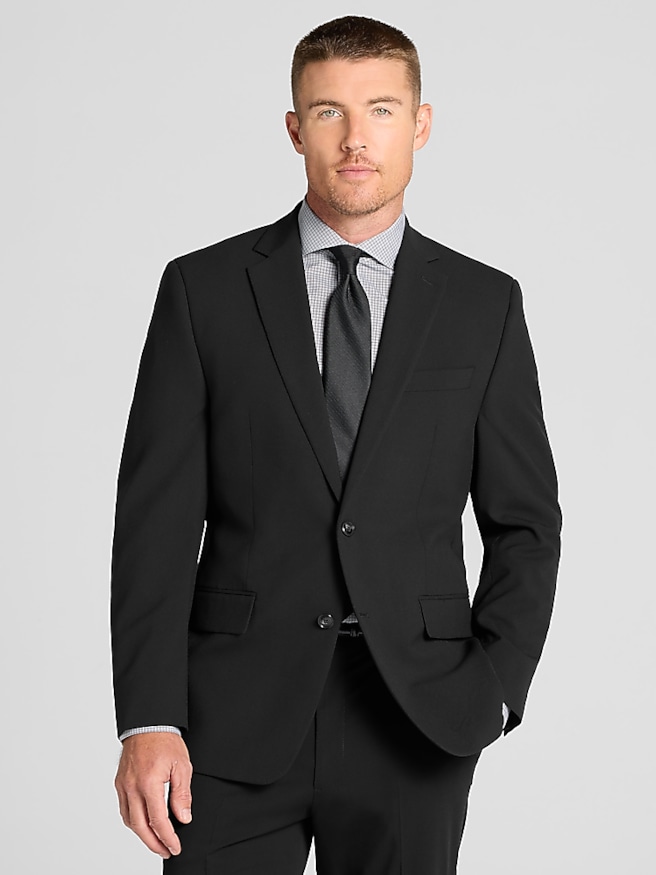
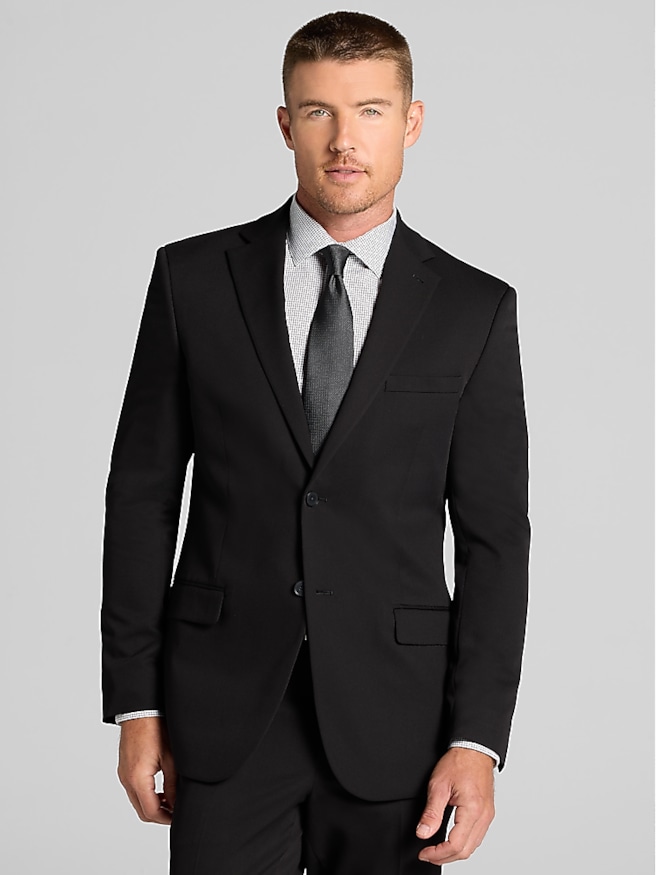
A size 39 suit generally has a jacket sized for a 39-inch chest, with a Short, Regular, or Long designation indicating the jacket’s length. The number describes the intended body measurement rather than the jacket’s exact circumference, since the finished garment needs room for a dress shirt and comfortable movement. Trouser sizing depends on the suit’s stated drop, which is the difference between the jacket size and the trouser waist size. A six-inch drop pairs a size 39 jacket with a 33-inch trouser waist, while a seven-inch drop pairs it with a 32-inch waist; the labeled measurements for each suit remain the best reference. Length and silhouette matter just as much as the chest number. Short, Regular, and Long proportions affect the sleeves, body length, and placement of details such as pockets and the waist button. A balanced jacket sits smoothly across the shoulders, rests close to the shirt collar, and closes without pronounced pulling across the chest. The sleeves should allow a small amount of shirt cuff to show, while the jacket body should feel comfortable when sitting at a desk or reaching forward for a handshake. Slim fits create a closer outline through the torso, while more relaxed cuts provide additional room through the chest and waist. Neither silhouette should require strained buttons or restrict ordinary movement. The neighboring Size 38 Suit collection provides a useful chest-size comparison, though the choice between sizes also depends on shoulder shape, posture, and the proportions of the particular cut. Someone with a fuller upper back may need a different silhouette than someone with the same chest measurement and a narrower frame. Trouser fit deserves equal attention: a waistband that stays comfortably in place, a smooth seat, and sufficient room through the thighs help the whole suit look intentional rather than simply close-fitting.
Fabric gives a size 39 suit much of its character, influencing how it drapes, how it feels against a shirt, and how well it holds its shape through an eventful day. Wool is a traditional suiting material because its natural resilience helps a jacket recover from ordinary creasing, while its drape supports clean lines without requiring a rigid feel. Worsted wool typically has a smooth, refined surface that works well for business settings, interviews, and ceremonies. More textured weaves can make a suit feel less formal, adding visual depth without relying on a bold pattern. Wool blends combine these qualities with other fibers, and the exact composition helps explain differences in softness, stretch, and care requirements. Fabrics containing a modest amount of stretch can offer welcome flexibility during a commute, a long meeting, or an evening spent moving between dinner tables and a dance floor. Cotton tends to create a more relaxed appearance and may show creases more readily, while linen has a distinctive texture and an intentionally less crisp finish. Synthetic fibers can contribute strength and shape retention, although comfort and drape depend on the blend, weave, and construction rather than fiber content alone. A smooth lining helps the jacket move over a dress shirt, and sound seams, securely attached buttons, and neatly finished trouser hems support repeated wear. Color and pattern then establish the suit’s range. Navy and charcoal provide versatile foundations for professional appointments, wedding attendance, and milestone celebrations. Subtle stripes or small-scale checks add definition while remaining easy to coordinate with solid shirts. A darker, understated suit can feel appropriately polished for many evening occasions, but events specifying black tie generally call for a tuxedo rather than an ordinary suit. Matching the fabric, color, and level of formality to the intended setting makes the suit more useful than choosing by chest size alone.
The value of a well-proportioned size 39 suit becomes especially clear over a full day of wear: the jacket stays settled through the shoulders, the trousers remain comfortable while seated, and the fabric maintains a composed appearance after repeated movement. Alterations can refine that balance, particularly at the trouser hem, waist, and jacket sleeves, though the amount of adjustment depends on construction and seam allowance. Shoulder fit and overall jacket length are more difficult to change, making those proportions important foundations. Trouser length also changes the impression of the outfit. A slight break creates a familiar, traditional line over dress shoes, while little or no break produces a cleaner, more streamlined finish. Styling can stay straightforward. A white or pale blue shirt, a restrained tie, and polished leather shoes allow the suit’s fit and fabric to carry the look. For occasions that permit a more relaxed approach, an open-collar shirt can soften the presentation without losing the suit’s structure. Good care helps preserve both that structure and the fabric’s appearance. Following the garment’s care label is essential, especially when a suit combines outer fabric, lining, and internal shaping materials that may respond differently to cleaning. A broad, supportive hanger helps maintain the jacket’s shoulders, while hanging trousers neatly reduces unnecessary creasing. Empty pockets after wear so keys, a phone, or a wallet do not leave lasting bulges, and allow the suit to air before putting it away. Gentle brushing can lift surface lint and dust from suitable fabrics; stains and persistent odors may need professional attention consistent with the care instructions. Avoiding unnecessary cleaning and excessive heat can help protect the finish over time. For someone building a professional wardrobe, preparing for graduation, or attending important family occasions, a size 39 suit offers a foundation for a polished outfit. As a gift, it is most successful when the recipient’s chest measurement, preferred fit, jacket length, and trouser measurements are known, leaving room for personal preferences and final tailoring.