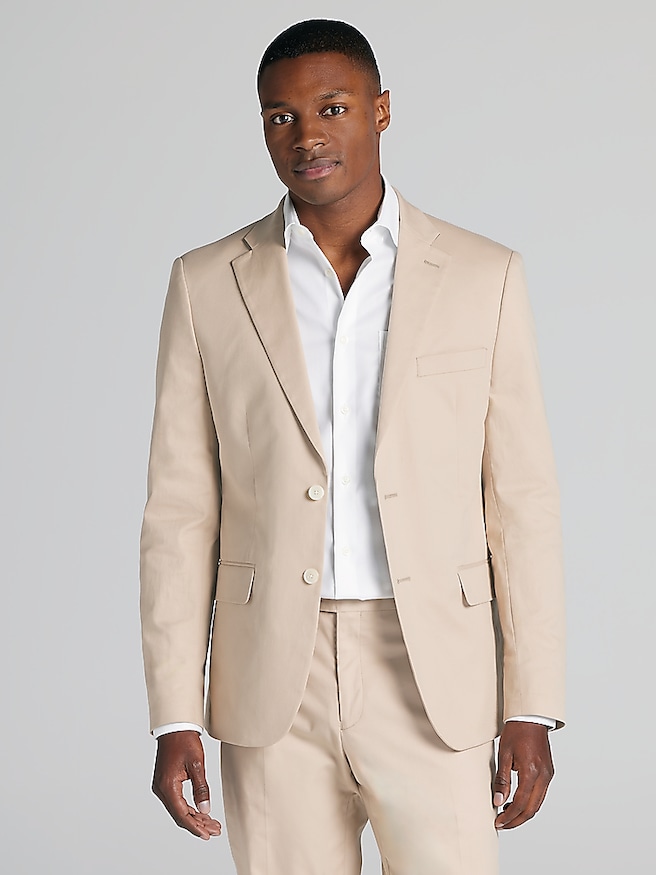
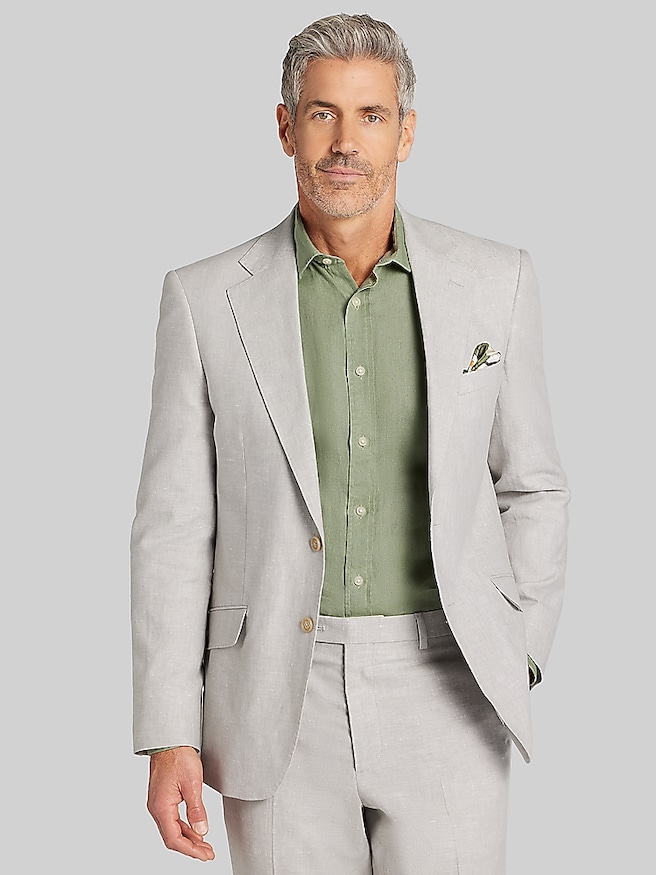
A size 41 suit generally starts with a jacket intended for a body chest measurement of approximately 41 inches, with additional room built into the garment for a shirt and comfortable movement. The number describes the intended chest size, not the jacket’s exact circumference, so two jackets marked 41 can feel noticeably different depending on their cut and construction. This intermediate size can be useful for someone who finds a 40 restrictive across the chest but a 42 too roomy through the shoulders or torso. In a traditionally paired suit with a six-inch drop, a size 41 jacket typically comes with trousers labeled with a 35-inch waist. That pairing is a sizing convention rather than a guarantee; the stated trouser size and the wearer’s actual waist measurement still matter. Jacket length is a separate consideration, usually indicated by short, regular, or long. Height provides a starting point, but torso length, arm length, and overall proportions are better measures of how naturally the jacket sits. A balanced jacket generally covers the seat, lies smoothly across the upper back, and has sleeves that allow a small amount of shirt cuff to show. The shoulder seams should sit close to the natural shoulder edge without hanging over it, while the lapels should rest against the chest rather than bow outward. With the jacket buttoned while standing, the front should look smooth instead of forming a pronounced X-shaped pull around the button. Someone comparing adjacent sizes may also consider a Size 42 Suit, particularly when extra chest room is needed, though moving up a size can also change the shoulder and waist proportions. The best size 41 suit fit leaves enough space to sit at a conference table, reach for a handshake, or bring a glass to the lips without making the jacket look oversized. Chest size establishes the starting point; the way the complete suit moves and hangs establishes whether it works.
Fabric and construction give a size 41 suit much of its character, influencing everything from the drape of the trousers to the crispness of the lapels. Wool is a familiar choice for tailored clothing because it combines a clean appearance with natural resilience and can recover well from light creasing between wears. Smooth worsted wool creates a defined silhouette suited to business meetings, interviews, and ceremonies, while a subtly textured weave can give a solid color more depth without relying on a bold pattern. Wool blends vary considerably: added fibers may contribute stretch, strength, or a particular surface finish, so the fabric composition matters more than the blend label alone. Stretch can make sitting and walking more comfortable, but it cannot compensate for shoulders that are too narrow or a jacket that strains when fastened. Lining affects how easily a jacket slides over a dress shirt, and internal structure helps determine whether the chest feels firm and shaped or softer and less formal. For frequent use, a resilient cloth with some substance often makes more sense than choosing solely for an exceptionally soft hand. Areas that see regular friction, including the trouser seat, inner thighs, and pocket openings, deserve attention to both fit and construction. Slim-fit suits generally follow the torso closely and pair that shape with a narrower trouser leg; classic fits typically allow more room through the chest, waist, seat, and thigh. Modern fits often fall between those approaches, although those descriptions are not standardized. A size 41 slim-fit jacket therefore should not be expected to feel identical to a size 41 classic-fit jacket. Trousers contribute just as much to the overall effect: a waistband should stay comfortably in place, pockets should lie relatively flat, and the rise should permit sitting without pulling sharply through the seat. A clean hem with little or a modest break can finish the line neatly, depending on the trouser width and the shoes worn with it.
The appeal of a well-proportioned size 41 suit is its usefulness across occasions that call for a coordinated, polished appearance. For a job interview, a restrained solid color with a crisp shirt and uncomplicated tie keeps attention on the conversation. At a wedding or an awards dinner, a pocket square, a textured tie, or carefully polished lace-up shoes can bring more personality to the same basic silhouette. Navy and charcoal work with a broad range of shirt colors and leather accessories, while subtle stripes or checks add visual interest without necessarily making a suit feel informal. The occasion’s dress code remains important: a conventional business suit is not automatically a substitute for attire specified for a black-tie event. For someone who dresses formally only occasionally, comfortable proportions and easy coordination may matter more than a distinctive detail. For someone wearing suits regularly, fabric recovery, dependable construction, and the ability to rotate garments become more significant. A suit can also mark a graduation, a career milestone, or another meaningful achievement as a gift, provided the recipient’s measurements and fit preferences are understood. Alterations can refine sleeve length, trouser hems, and some waist shaping, but they are not a reliable solution for major shoulder or jacket-length problems. Maintaining that finished appearance takes a little routine care. A broad, supportive hanger helps preserve the jacket’s shoulder shape, and trousers hung neatly along their crease are less likely to develop unnecessary folds. Emptying pockets after wear prevents lingering bulges, while gentle brushing with an appropriate clothing brush removes surface dust. Giving the suit time to rest between wears allows wrinkles to relax and helps avoid repeated stress on the same fabric areas. Cleaning should follow the care label, with professional treatment when specified and prompt attention to stains rather than vigorous rubbing. Excessive heat or careless pressing can leave shine on tailored cloth, so crisp lapels and trouser creases benefit from careful handling. With thoughtful fit, suitable fabric, and consistent care, a size 41 suit can remain a dependable part of a wardrobe for important conversations, celebrations, and everyday professional commitments.