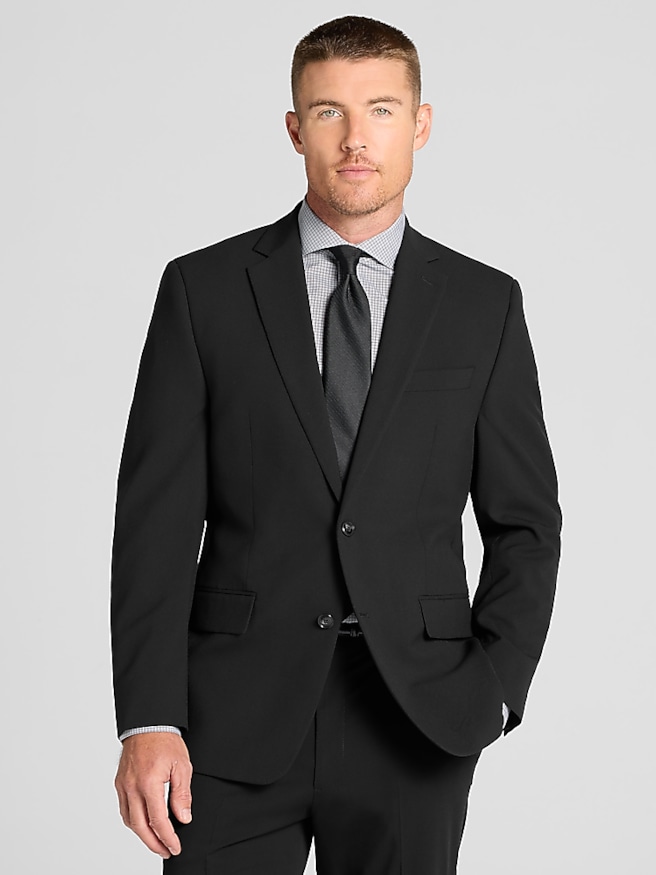
A size 40 suit is generally designed for a chest measurement of about 40 inches, taken around the fullest part of the chest with the tape level and comfortably snug. The number describes the intended body measurement, not the exact circumference of the finished jacket, which includes room for a shirt and natural movement. That makes size 40 a useful starting point, while the jacket’s cut, length, and construction determine how it actually sits on the body. A well-proportioned jacket rests neatly across the shoulders, lies smoothly through the chest, and buttons without pulling into an X-shaped crease at the front. Its collar should stay close to the shirt collar rather than standing away from the neck. These details matter whether the suit is worn for a job interview, a wedding, a graduation, or a day of presentations. The letters in 40S, 40R, and 40L indicate short, regular, and long jacket lengths. They primarily distinguish body and sleeve length rather than chest size, and the best choice depends on torso and arm proportions as well as height. Height ranges vary by maker, so a regular length is not automatically right for every person of average height. The jacket should generally cover the seat, with sleeves that allow a small amount of shirt cuff to show when the arms hang naturally. Trouser sizing deserves equal attention: a size 40 suit often pairs a 40 jacket with trousers labeled 34 at the waist, reflecting a standard six-inch drop. That pairing is common, not universal, and neither the jacket number nor the drop guarantees the right trouser fit. A smooth waistband, comfortable seat, and clean line through the thigh help the whole suit look balanced. For someone who needs slightly more chest room, a Size 41 Suit offers a neighboring size to consider, though comparing the actual measurements remains important.
Within size 40 suits, slim, modern, and classic fits create distinct silhouettes without changing the basic meaning of the chest size. A slim fit typically sits closer through the torso and often pairs with narrower trousers; a modern fit usually offers a shaped outline with somewhat more room; and a classic fit generally allows greater ease through the chest, waist, seat, and legs. Those labels are not standardized across manufacturers. An athletic build may need enough space through the shoulders and upper back while benefiting from waist shaping, whereas a fuller midsection may feel better in a straighter jacket. Comfort becomes especially noticeable when sitting through a ceremony, reaching across a conference table, or spending several hours greeting guests. The jacket should accommodate ordinary movement without the wearer needing to size up simply to compensate for an overly narrow cut. Fabric also influences how the suit feels and holds its shape. Wool is valued for its drape, breathability, and natural resilience, making it a versatile choice for repeated professional or occasion wear. Wool blends combine those qualities with the characteristics of other fibers, while polyester blends can provide durability and resistance to wrinkling, depending on the fabric’s composition and construction. A small amount of stretch can make movement easier, but it does not replace proper fit. Smooth worsted fabrics give a crisp, polished appearance; textured weaves add visual depth even in a solid color. Fabric weight, weave, lining, and jacket structure all affect the finished impression. A softly constructed shoulder can look relaxed and natural, while a more structured shoulder creates a defined outline. For frequent wear, a fabric with a stable weave and good recovery can be more practical than choosing solely for an exceptionally soft hand. Clean seams, a smoothly set lining, and secure buttons are also useful signs of careful finishing, especially in a suit expected to handle regular commuting and long days.
Color and styling give a size 40 suit much of its versatility. Navy and charcoal provide understated foundations for business settings, interviews, and many celebrations, with enough flexibility to work with a white shirt, a pale blue shirt, or a restrained patterned tie. Medium gray offers a slightly softer impression while retaining a tailored appearance. Black can suit settings that specifically call for it, although a black business suit is not a substitute for a tuxedo when an invitation requires black tie. Subtle pinstripes and checks bring character to professional dressing, while solid fabrics leave more room for variation in shirts and accessories. For a first suit or a graduation gift, a versatile color and an adaptable fit often have more lasting value than a highly distinctive pattern. Clothing given as a gift is easiest to get right when the recipient’s recent measurements and preferred silhouette are known, particularly because chest size alone cannot account for posture, shoulder shape, or trouser proportions. Alterations can refine sleeve length, trouser hems, and some waist shaping, but major shoulder or chest changes are more involved; a sound fit in those areas is the better foundation. The trouser hem can meet the shoe with a slight break for a traditional finish or sit with little to no break for a cleaner, narrower silhouette. Keeping that finish sharp also depends on everyday care. Following the garment’s care label, brushing away surface dust, and airing the suit after wear help maintain its appearance between cleanings. A broad, shaped hanger supports the jacket’s shoulders, and trousers hung neatly or folded along their crease are less likely to develop unwanted lines. Dry cleaning should follow the care instructions and the garment’s condition rather than becoming an automatic step after every wear. Emptying pockets before hanging, avoiding overfilled jacket pockets, and giving the fabric time to recover help preserve the suit’s shape, so its fit remains as considered on a routine workday as it does at an important celebration.