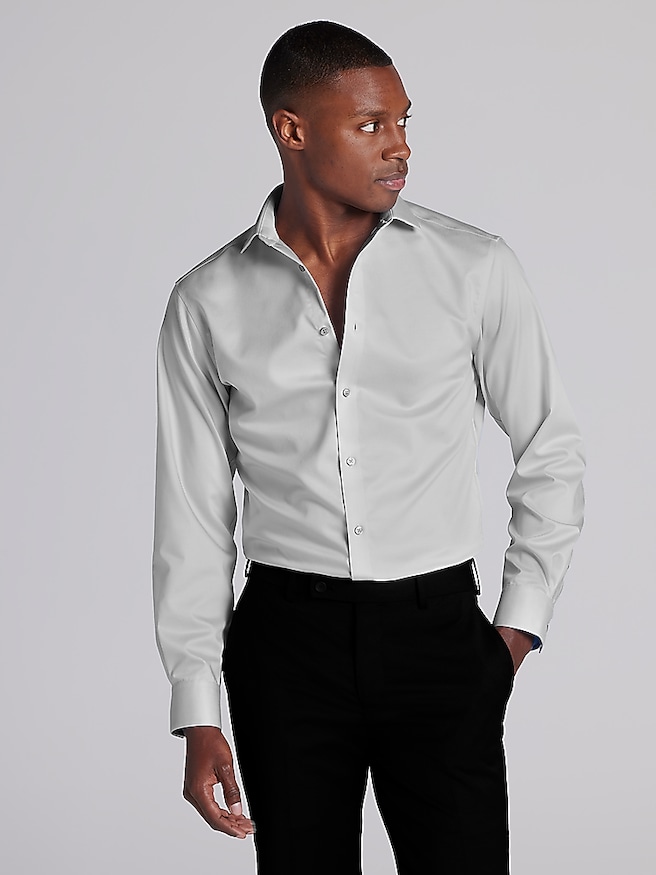
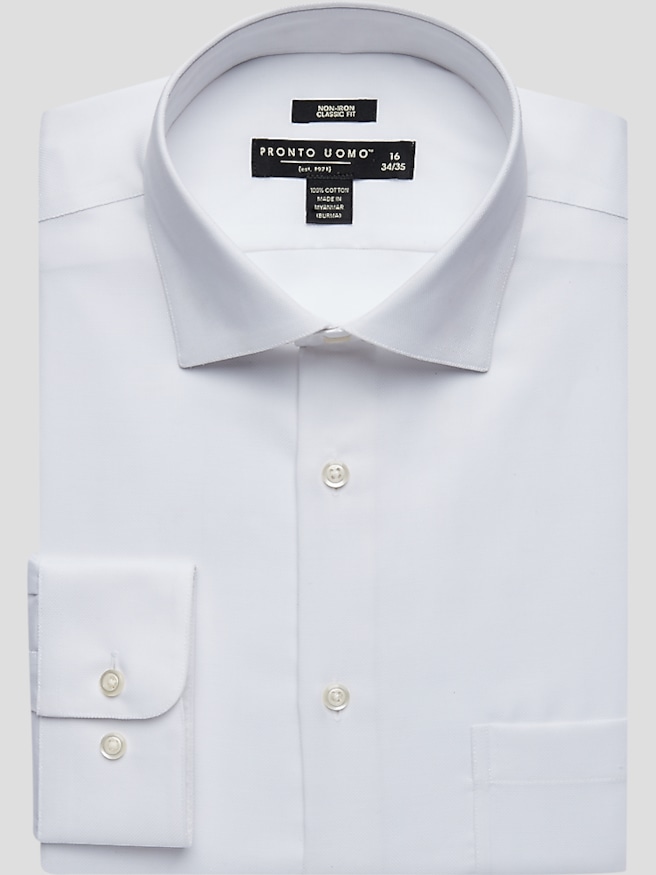
Shirts for men with big arms need enough room through the biceps, shoulders, and chest without leaving excess fabric around the waist. That balance matters more than the size printed on the label. A shirt can button comfortably across the torso yet feel restrictive when the wearer reaches forward, bends an elbow, or sits at a desk. Athletic and muscle-fit shirts often address this challenge by combining a fuller upper body with a tapered waist, although the shape varies by design. Some muscle fits sit close to the arms, while some athletic fits offer a little more breathing room. A slim fit is not automatically an athletic fit; it may narrow the sleeves along with the body. For muscular builds, the most comfortable silhouette follows the upper body without pulling tight enough to create horizontal wrinkles or strain the seams. Sleeve circumference, armhole shape, and upper-back room all contribute to that result. Short sleeves can frame the biceps neatly without digging into the skin, while long sleeves need space through both the upper arm and forearm. Cuffs should close comfortably at the wrist without forcing the sleeve to bunch above them. On a traditional set-in sleeve, a shoulder seam near the outer edge of the shoulder generally supports a clean appearance. Raglan sleeves, which run diagonally from the neckline toward the underarm, offer another shape that can accommodate broader shoulders, depending on the cut. Simply moving up a size may ease tight sleeves but introduce a loose collar, drooping shoulders, or an oversized torso. A proportionate fit keeps those areas in balance, whether the shirt is worn alone or beneath a jacket. For builds that also need extra space across the upper back, shirts for men with broad shoulders address a closely related fit concern. The goal is a shirt that looks composed while allowing ordinary movement, from reaching for a steering wheel to carrying a bag into the office.
Fabric plays an equally important role in how a shirt feels around larger arms. Cotton offers a familiar, breathable feel, but its flexibility depends on the fabric construction. A cotton jersey T-shirt naturally gives more than a tightly woven cotton dress shirt, even when both use the same fiber. Cotton blended with elastane or spandex can add useful stretch through the sleeves and chest, helping the fabric move with the body rather than resisting every bend. The percentage of stretch fiber is only part of the picture: knit structure, fabric weight, and recovery also influence comfort. Good recovery helps sleeves return to their shape instead of becoming loose at the elbows or stretched around the biceps after repeated wear. Cotton-polyester blends can bring practical benefits such as easier drying and improved shape retention, while the overall hand of the fabric determines whether it feels soft, smooth, or more structured. A fine knit tends to follow the body closely; a more substantial knit can create a cleaner outline without clinging as much. Woven shirts offer a sharper appearance, and stretch versions can make that structure more forgiving across a muscular chest and arms. Texture adds another dimension. Oxford cloth has a subtly textured surface, while smoother shirting fabrics create a more polished impression under a blazer. Stretch alone cannot make an undersized shirt fit correctly, however. Buttons that pull apart at the chest, sleeves that leave deep pressure marks, or seams that twist during movement usually point to a cut that needs more room. Construction matters for durability as well as appearance. Even stitching, securely attached buttons, and neatly finished seams help a shirt withstand regular use, especially where the arms place repeated tension on the fabric. A comfortable shirt combines suitable material with enough built-in room, rather than relying on elastic fibers to compensate for tight proportions. That combination keeps the silhouette intentional while supporting the movements that fill a normal day.
The right style depends on where the shirt will be worn and how closely the wearer prefers it to follow the body. For everyday outfits, T-shirts and polos can give larger arms definition while keeping the overall look relaxed. A sleeve that rests near the middle of the upper arm often creates a balanced proportion, but comfort and personal preference matter more than a fixed hem position. Longer short sleeves offer additional coverage, while a slightly more open sleeve can feel less restrictive than a close-fitting band. A polo adds a collar without the structure of a woven dress shirt, making it useful for casual offices, dinners, and gatherings where a plain T-shirt feels too informal. Button-front shirts suit workdays, celebrations, and occasions that call for a more finished appearance. Under a suit jacket, smooth sleeves with adequate upper-arm room are easier to wear than sleeves pulled taut against the biceps. For an untucked outfit, a hem that covers the waistband without extending too far down the body helps maintain proportion; shirts intended to stay tucked need enough length to remain secure when the wearer reaches or sits. Subtle waist tailoring can sometimes reduce excess fabric in a woven shirt that already fits well through the chest and arms, but alterations generally cannot create generous sleeve room where there is little fabric to spare. Care also helps preserve fit over time. Following the garment’s care label is especially important with cotton and stretch blends, since excessive heat can cause shrinkage or weaken elastic fibers. Appropriate washing, drying, and pressing keep the fabric looking neat without sacrificing its flexibility. For a gift, a well-fitting shirt the recipient already owns can provide a useful reference for sleeve width, shoulder placement, and body shape; a usual letter size alone may not capture those proportions. Whether intended for someone with a strength-training build, naturally larger arms, or a preference for less restrictive sleeves, these shirts are about comfortable proportions and a polished appearance, not squeezing into the narrowest possible cut.