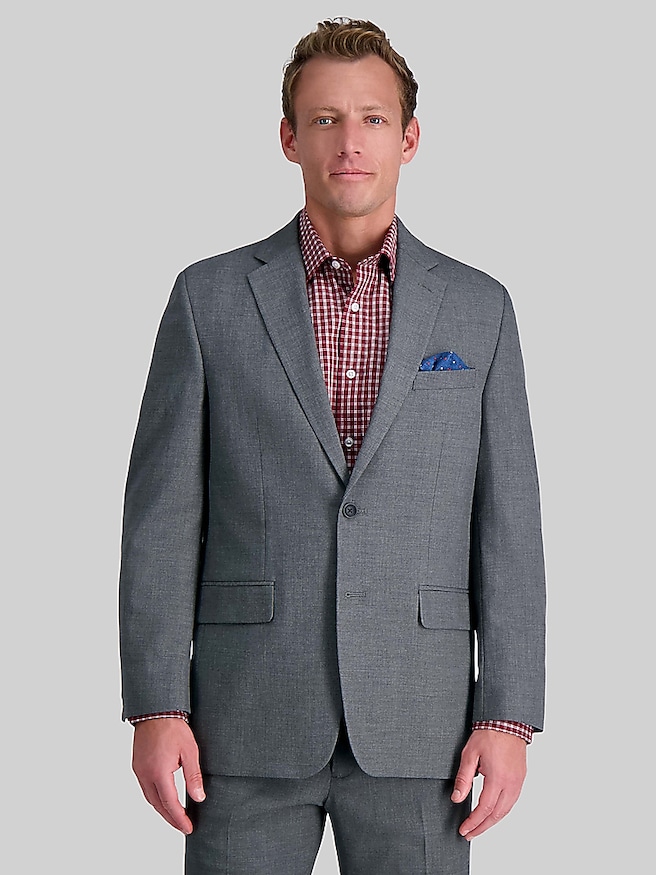
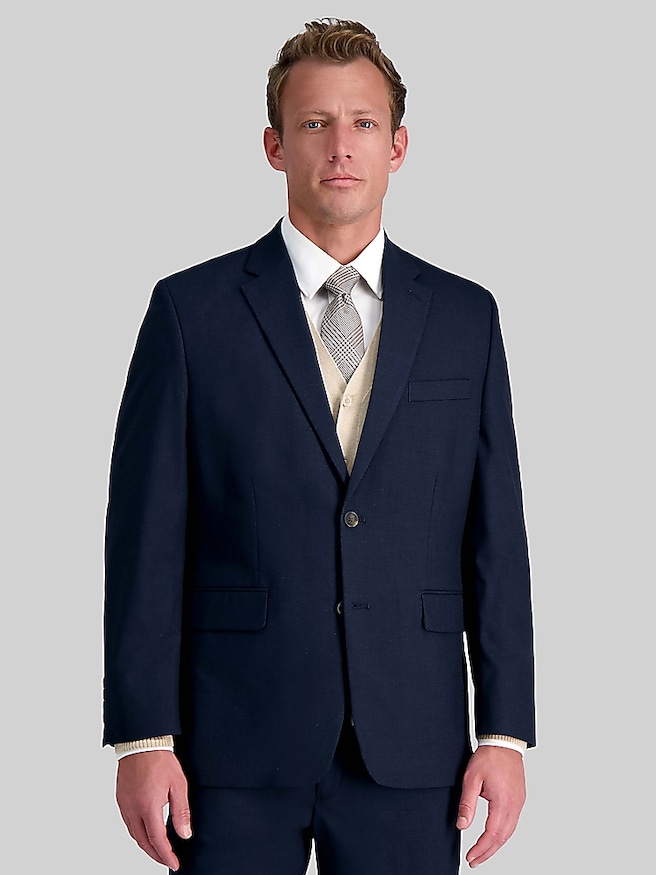
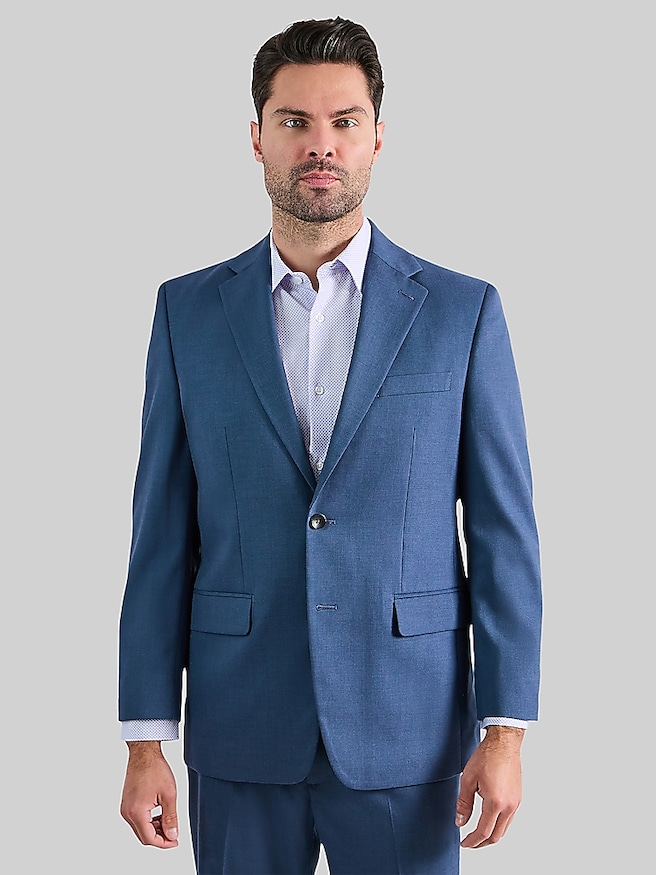
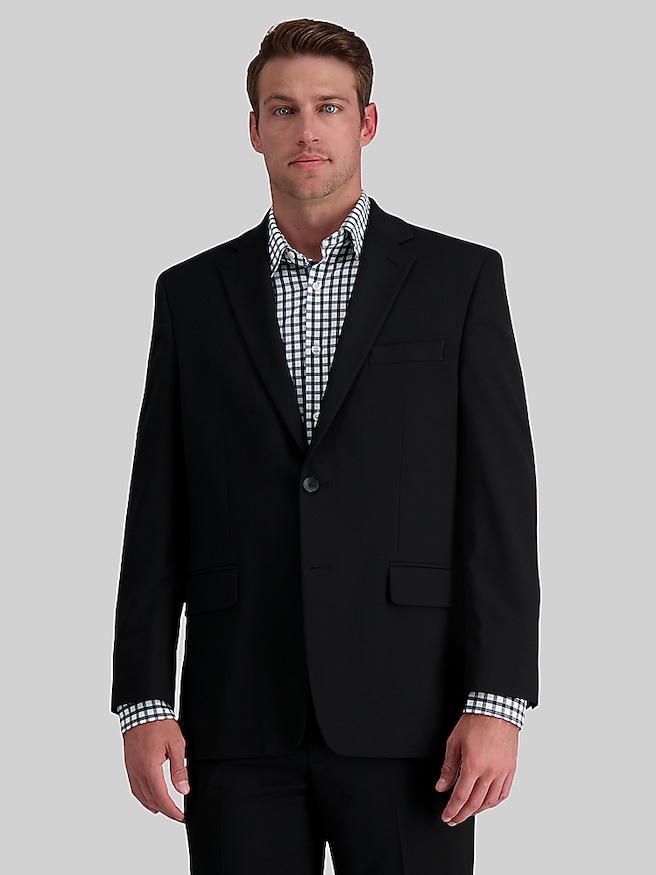
Satin formal wear brings a refined, luminous finish to evening dressing, combining the structure of tailored clothing with the smooth surface and subtle sheen that make a memorable impression under soft lighting. Satin is often used for lapels, collars, waistbands, trim, and other carefully considered details, while the rest of the garment may feature a matte weave for contrast and balance. That interplay gives formal attire depth without requiring loud patterns or excessive decoration. A satin dinner jacket, tuxedo-inspired ensemble, or coordinated formal look can suit a gala, black-tie reception, evening wedding, awards presentation, holiday gathering, or other dressy celebration. The fabric catches a chandelier’s glow, reflects the warm light of a candlelit table, and adds a polished finish to photographs, which makes it particularly appealing for milestone events. When selecting satin formal wear, start with the invitation and venue. A traditional black-tie setting generally calls for a restrained palette and classic tailoring, while a festive reception may welcome richer color, a bolder lapel finish, or a more distinctive contrast. A well-proportioned cut remains the foundation: the shoulder seam should sit close to the natural shoulder, the jacket should lie smoothly across the chest, and the sleeve should allow a small amount of shirt cuff to show. Trousers should break neatly over the shoe without bunching, and the waistband should feel secure while allowing comfortable movement through a long evening.
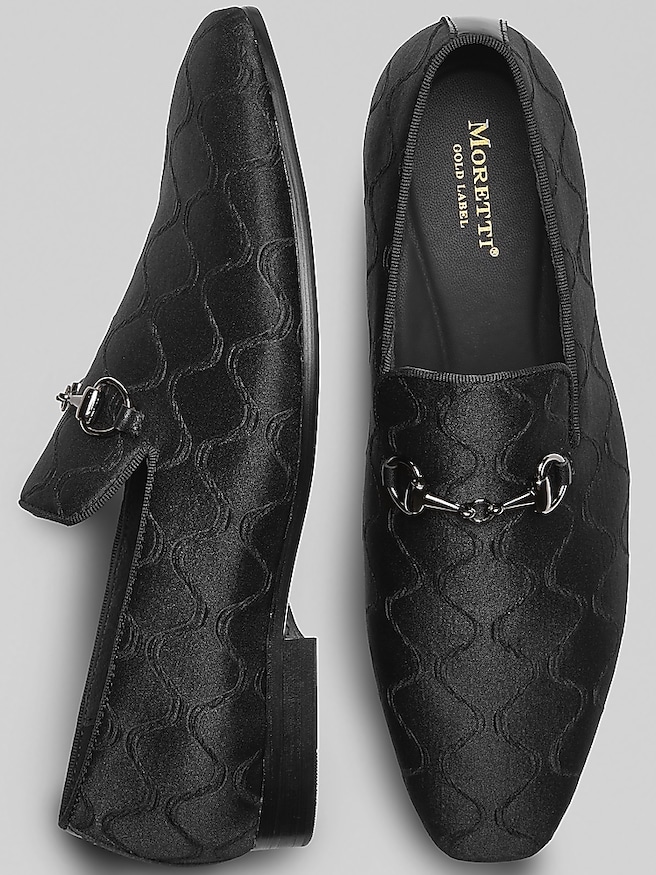
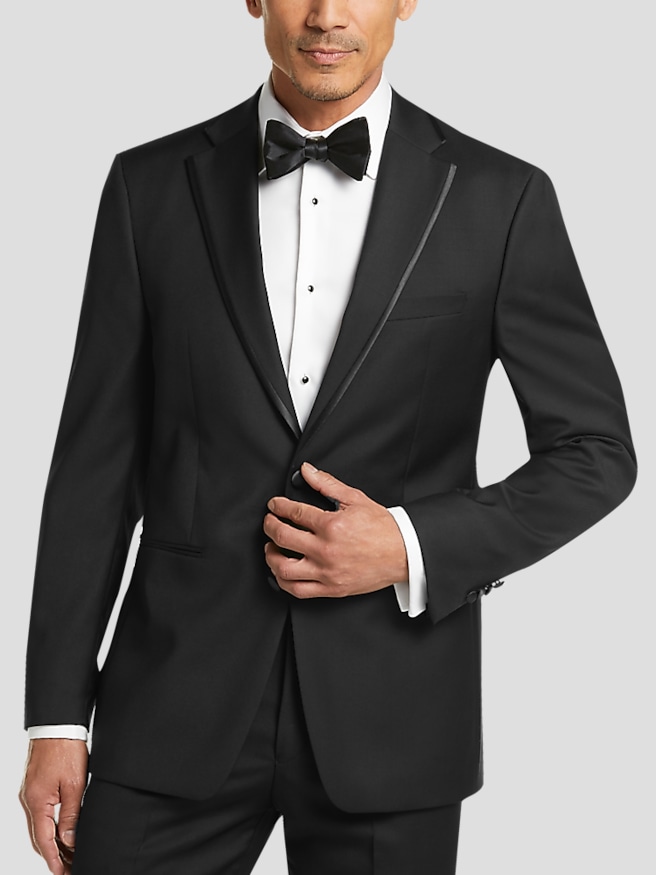
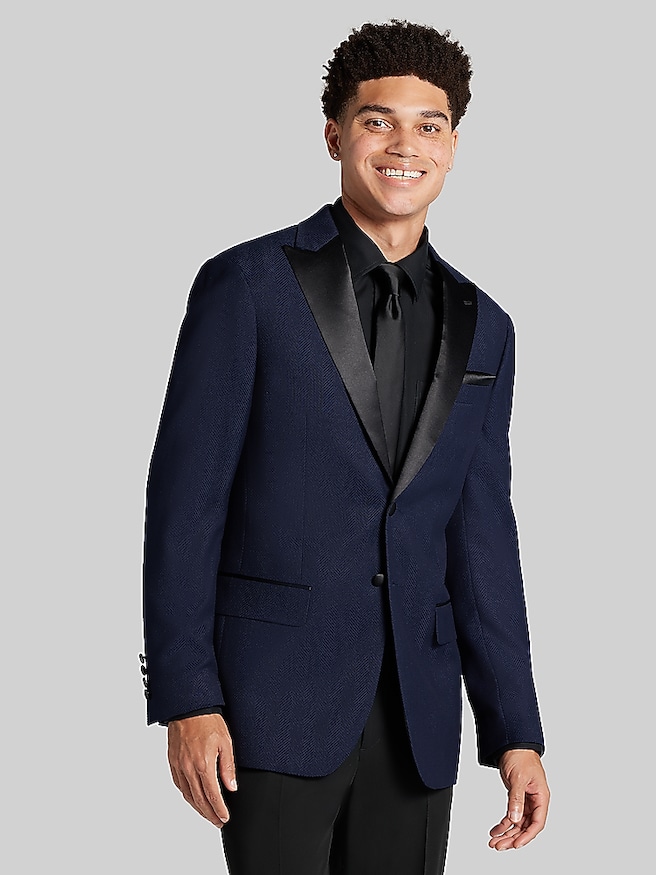
Color plays an important role in the character of satin formal wear. Black offers the most traditional appearance and pairs naturally with crisp white shirting, polished black footwear, and understated accessories. Deep navy, charcoal, burgundy, forest green, and other saturated shades can create a richer impression while remaining appropriate for formal celebrations. Lighter tones may work well for warm-weather ceremonies or events with a relaxed evening dress code, while darker shades feel especially natural during the cooler months and in low-lit venues. Because satin reflects light, color may appear more dimensional than it does in a flat photograph, so checking the fabric from several angles can help with the final choice. Keep the rest of the outfit intentional and uncluttered. A smooth shirt, neatly folded pocket square, restrained jewelry, and well-maintained shoes let the satin finish remain the focal point. Accessories should support the overall line rather than compete with it; a simple bow tie or narrow neckwear can complement a formal jacket, while a textured shirt or overly glossy shoe may create too much shine. For those comparing silhouettes, a clean single-breasted shape is versatile and easy to style, whereas a double-breasted front can create a stronger, more commanding profile. A shawl collar conveys softness and continuity, a peak lapel adds definition at the shoulder, and a notch lapel offers a familiar tailored appearance. Explore coordinated options through Satin Suits when a unified finish matters from collar to cuff.
Fit and comfort deserve as much attention as appearance, particularly when formal clothing will be worn for several hours of standing, dining, dancing, or greeting guests. Satin should skim the body rather than pull across the button area, and the lining should allow the jacket to move naturally when the arms are raised or extended. Try sitting, walking, and reaching forward before settling on a size, since a formal outfit needs to look composed in motion as well as in photographs. Tailoring can refine sleeve length, trouser length, and the shape through the waist, but alterations work best when the shoulders and overall jacket size are already close to correct. This category can also make a thoughtful gift for someone preparing for a wedding party, graduation ceremony, gala appearance, holiday portrait session, or formal dance. If choosing for another person, focus on dependable colors, recognizable tailoring, and details that can work with pieces already in the closet. A satin-accented jacket in a classic shade offers room for personal styling, while a complete coordinated look can simplify preparation for someone attending a formal event for the first time. Care is equally important for preserving the smooth surface. Follow the garment’s care label, use a sturdy hanger that supports the shoulders, and give the fabric room to breathe between wears. Avoid overfilling a closet, dragging sharp accessories across the surface, or pressing directly on satin with high heat. Before an evening out, inspect the garment in natural light, remove lint with a gentle tool, and allow any fragrance or styling products to dry before dressing. With thoughtful fit, balanced accessories, and careful storage, satin formal wear can move comfortably from an elegant ceremony to a late-night reception while retaining the polished presence that makes it stand apart.