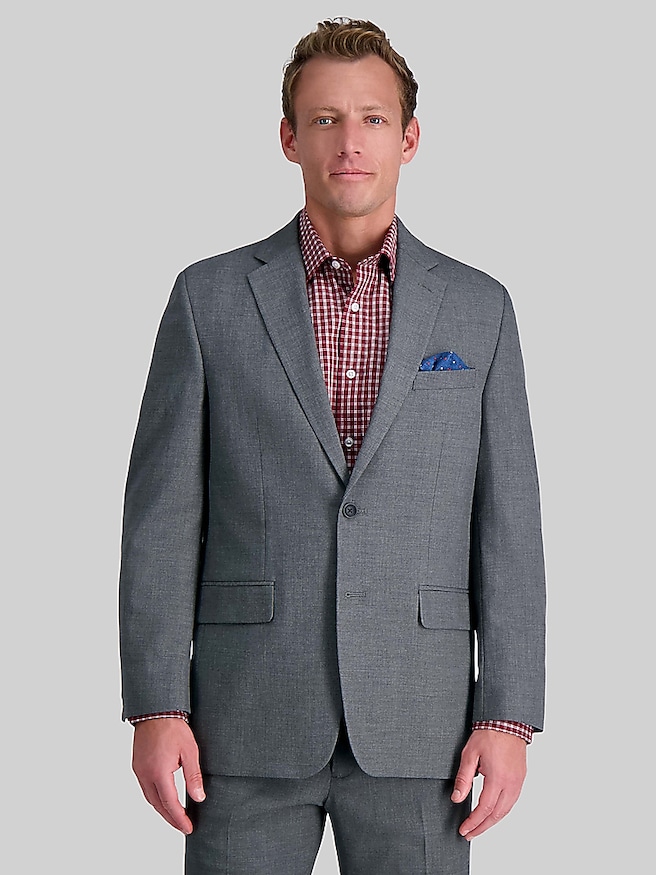
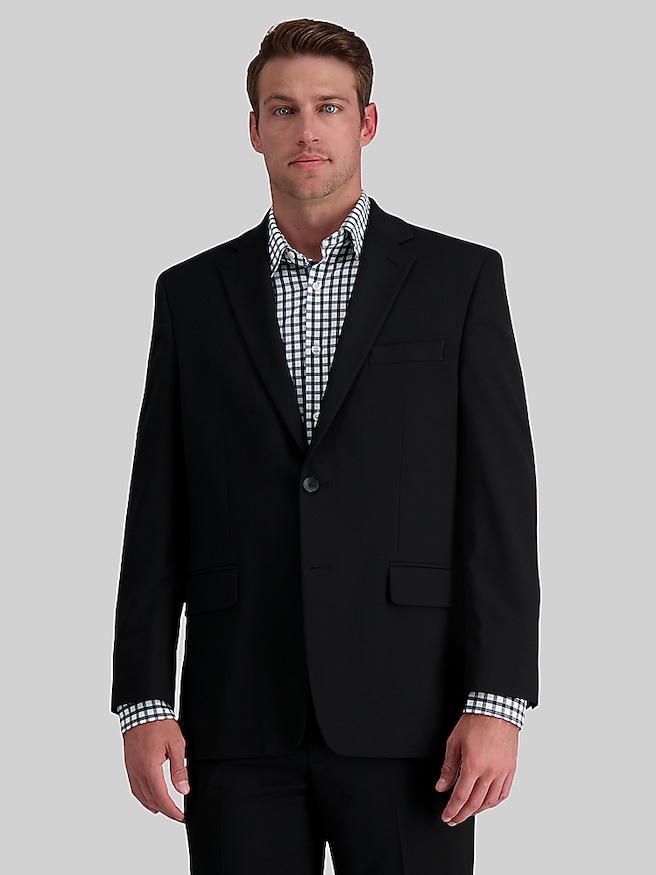
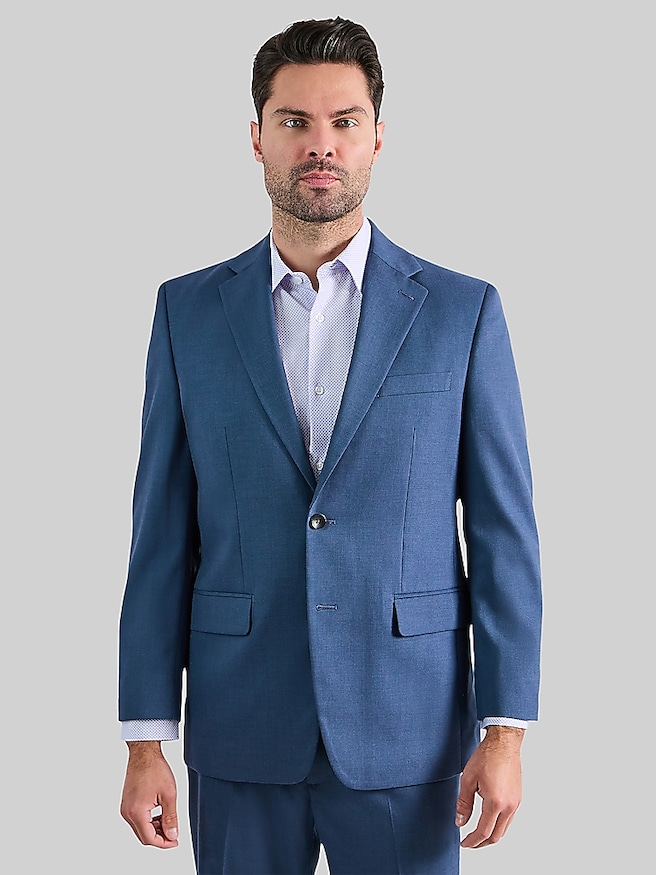
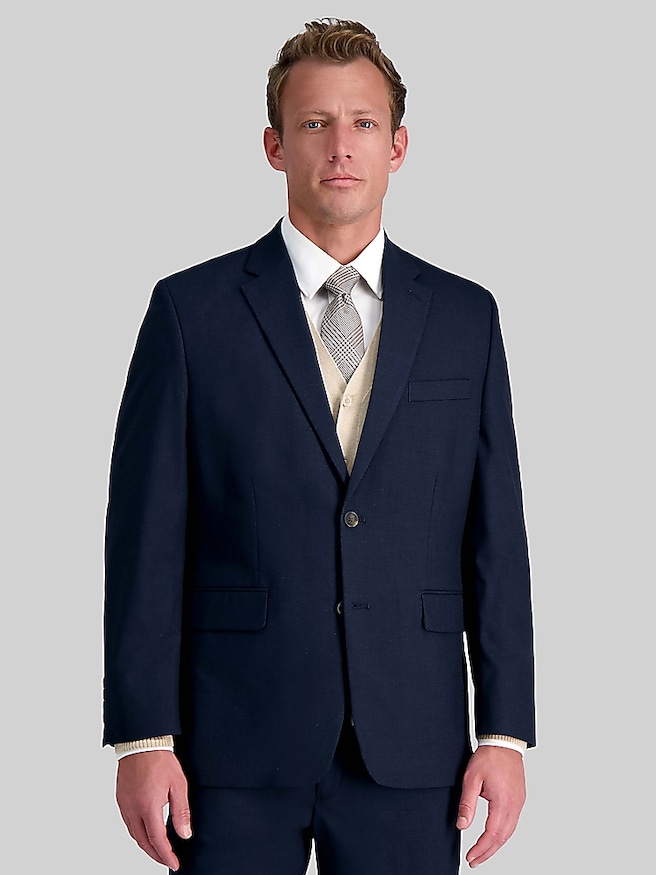
Satin suits bring a distinctive sense of polish to formal dressing, combining a smooth hand feel with a subtle or high-gloss surface that catches the light as you move. The fabric may be used throughout the suit for a bold evening look, or concentrated in details such as lapels, pocket trim and covered buttons for a more traditional formalwear appearance. This difference is worth considering when choosing an outfit. An all-over satin finish makes a confident statement at a celebration, while satin accents can provide the same refined sheen with a more versatile, understated profile. Black, deep navy, charcoal and other dark neutrals create a classic foundation for weddings, galas, dinners and evening receptions; richer shades and brighter tones can add personality to parties, dances and festive occasions. The right choice depends on the setting, the dress code and the impression you want to leave. A satin suit may be especially fitting for a groom, wedding party member or guest attending a formal ceremony, and it can also serve as memorable attire for a milestone birthday, anniversary celebration, holiday gathering or other event where ordinary business suiting feels too restrained. For additional inspiration across polished evening styles, explore Satin Formal Wear.
Fit remains the most important consideration, even when the fabric is the main attraction. Satin reflects light across the body, so clean lines and accurate proportions help the suit look intentional rather than costume-like. The jacket should lie smoothly across the shoulders, close comfortably without pulling at the button, and allow natural movement through the arms. Sleeve length should reveal a small edge of the shirt cuff, while the trouser hem should meet the shoe with a neat break instead of pooling heavily around the ankle. If measurements fall between sizes, professional tailoring can refine the jacket sleeve, trouser length and waist while preserving the overall shape. Consider the shirt, shoes and accessories at the same time, since each element affects how the satin surface reads. A crisp white or pale shirt creates contrast against a darker suit, while a tonal shirt produces a sleek, low-contrast effect. A simple pocket square, restrained jewelry and polished dress shoes can support the look without competing with the fabric’s natural sheen. Satin is often associated with eveningwear because artificial light highlights its smooth surface beautifully: under reception lights, it can lend dimension to a dark jacket; across a dance floor, it creates a gentle movement that feels celebratory without requiring elaborate styling. For daytime ceremonies or events held in bright spaces, a less reflective finish, darker color or satin-accented design may feel more balanced. Layering also matters during cooler months, when a formal overcoat can provide warmth while keeping the suit protected during travel between the car, venue and reception.
Satin formalwear can make a thoughtful gift for someone preparing for a wedding, formal dance, anniversary dinner or another special occasion, particularly when the recipient enjoys clothing with a distinctive finish. Because fit preferences vary, gifting an adjustable accessory or contributing toward a properly fitted outfit may be more practical than choosing a complete size without consultation. When purchasing for yourself or someone else, review the fabric composition, closure details, lining, available measurements and return or alteration options before placing an order. Satin can be woven from different fibers and blends, so the weight, drape, breathability and level of shine may differ from one garment to another. A lighter construction can feel comfortable indoors or during a lively reception, while a more substantial fabric may drape smoothly and offer added structure. Once selected, satin should be handled with care. Check the garment’s care label before cleaning, and remember that many satin suits require professional dry cleaning to help protect the delicate weave, color and finish. Avoid rubbing spills, applying direct heat or pressing the surface without suitable protection, since water spots, snags and unwanted shine can be difficult to remove. Between occasions, place the suit on a broad, supportive hanger and store it in a breathable garment bag in a cool, dry closet. Give the fabric room to hang naturally, keep it away from rough surfaces and sharp accessories, and transport it carefully so the smooth finish arrives looking as polished as it did when selected. With thoughtful fit, coordinated styling and proper care, a satin suit can move beyond a single celebration and become a dependable part of a formal wardrobe for the cooler months and the special occasions that gather friends and family together.